Powell to stay on Fed board as central bank holds rates steady
The Fed’s third straight pause keeps borrowing costs elevated as Powell signals he will stay on the board, a move markets read as both policy and succession news.
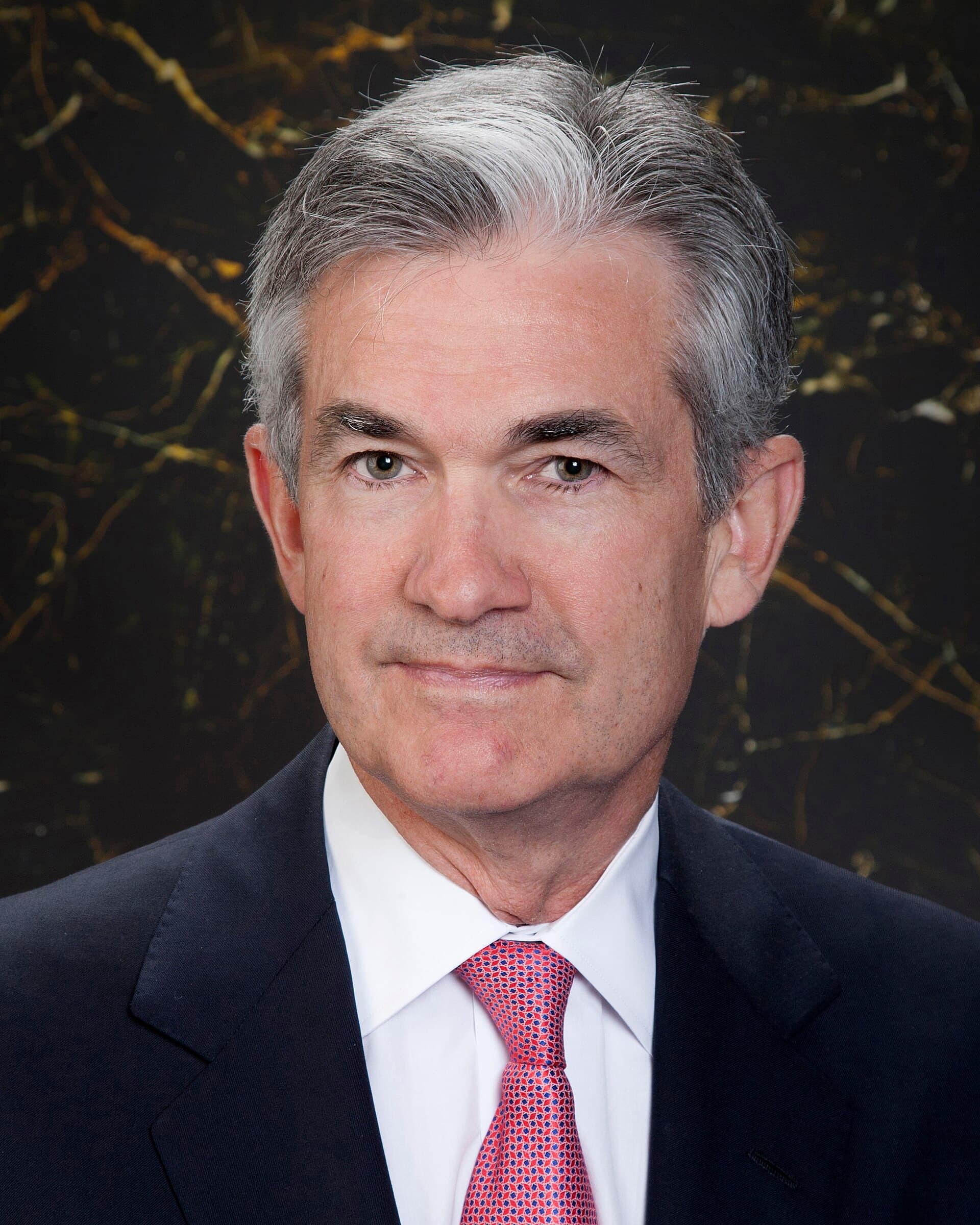
The Federal Reserve’s third straight hold keeps pressure on mortgages, credit cards and business borrowing, extending a pause that leaves families and companies facing a still-tight cost of money while policymakers wait for clearer signs on inflation and jobs.
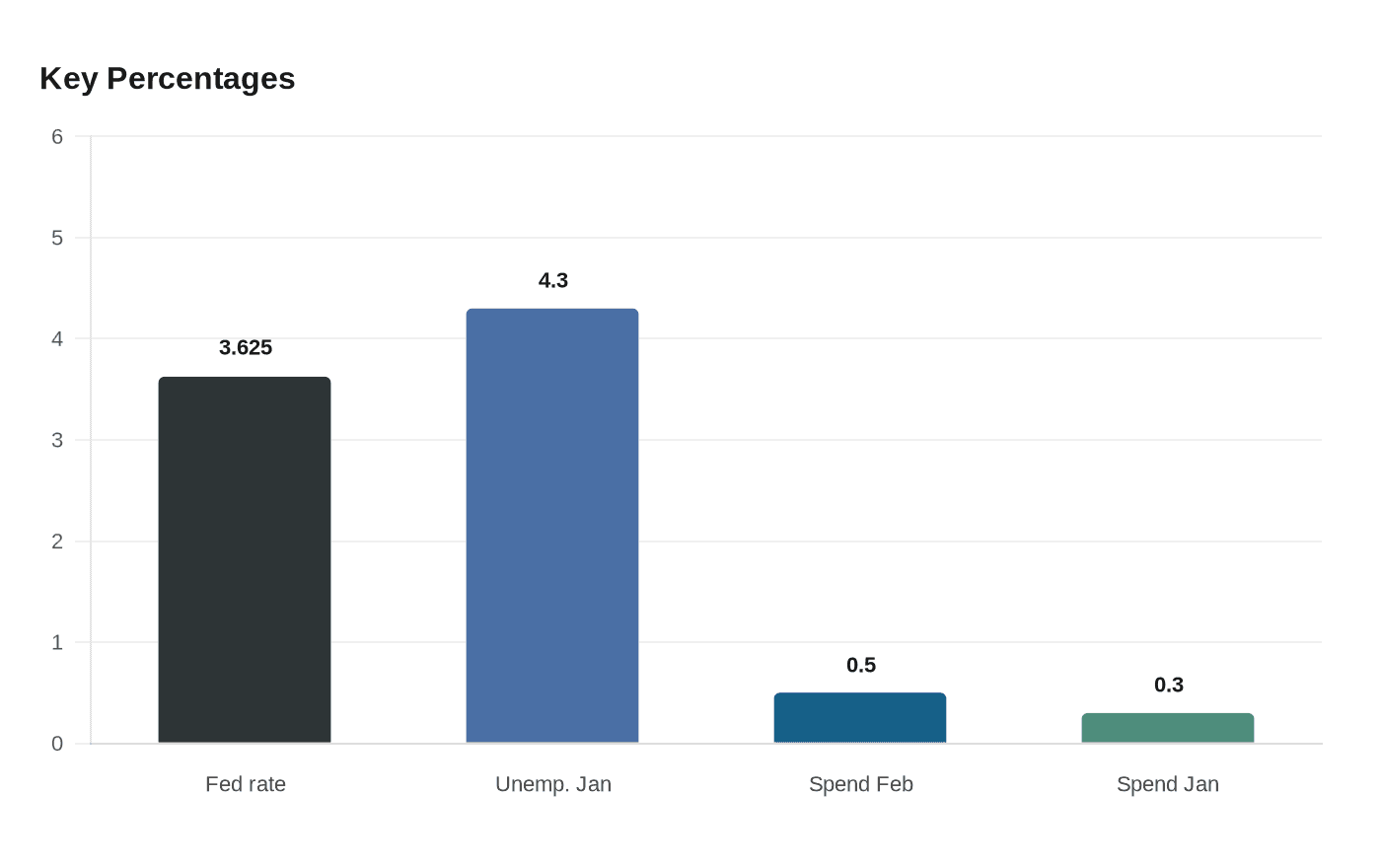
The central bank left its benchmark rate in a target range of 3.5% to 3.75% on April 29, with the change effective April 30, 2026. That decision came after no moves in January and March, and it underscored how determined officials remain to keep rates restrictive even as parts of the economy soften. For borrowers, the message is blunt: cheap money is still not coming back quickly, and the Fed is not yet ready to signal an easing cycle.
The vote itself was unusually split. The Federal Open Market Committee approved the hold 8-4, the most dissents on a rate decision since October 1992. Stephen Miran voted for a quarter-point cut, while Beth Hammack, Neel Kashkari and Lorie Logan objected to language they saw as signaling an easing bias. The depth of the disagreement showed a central bank wrestling with two risks at once, persistent inflation on one side and a cooling labor market on the other.
Jerome Powell also added a leadership wrinkle to the policy picture. He said he will remain a governor after his chair term ends on May 15, for a period of time to be determined, even though his board term runs through January 2028. Powell described the handoff as a “very normal, standard kind of a transition process,” and said he had congratulated Kevin Warsh. The remarks mattered to markets because they clarified that Powell is not walking away from the board even as his chairmanship winds down.
The economic backdrop helps explain the caution. The unemployment rate was 4.3% in January 2026, a sign of a labor market that has softened but not cracked. Consumer spending rose 0.5% in February after a 0.3% increase in January, suggesting households are still spending even as borrowing stays expensive. In the Fed’s April Beige Book, the Seventh District reported that economic activity increased slightly, consumer spending rose modestly, manufacturing demand picked up modestly, and prices and wages increased moderately.
Markets absorbed both the policy decision and the succession signal quickly. The dollar strengthened after the announcement, reflecting how traders read not just the unchanged rate but also Powell’s intention to stay involved as the Fed moves through a delicate transition. For now, the central bank is signaling patience, and borrowers will keep paying for it.
This article was produced by Prism’s automated news system from verified source data, official records, and press releases, then run through automated quality and moderation checks before publishing. The system is built and supervised by the people who set the standards it runs under. Read our full AI policy.
Did this article answer your question?

