Checklist for Choosing a Geometric Tattoo That Reflects Your Vision
Use Jon Poulson’s checklist—research, flash sites, artist vetting, placement, pricing and aftercare—to plan a geometric tattoo that reflects your vision.
Who this guide is for and what it covers: This evergreen primer is written for hobbyists, first‑time collectors and artists who want a compact, actionable checklist for choosing geometric tattoo designs. It synthesizes best practices from multiple high‑quality sources (artist portfolios, studio FAQs
- Alohatattoos — Written By Jon Poulson.
- Certifiedtattoo — (no author or date provided in excerpt).
- Original editorial brief.
Sources
"Geometric tattoos transform the human canvas into a realm of balanced precision and personal storytelling by combining exact shapes with meaningful symbolism." — use this as your design north star: precision plus personal meaning.
1. Start by doing research
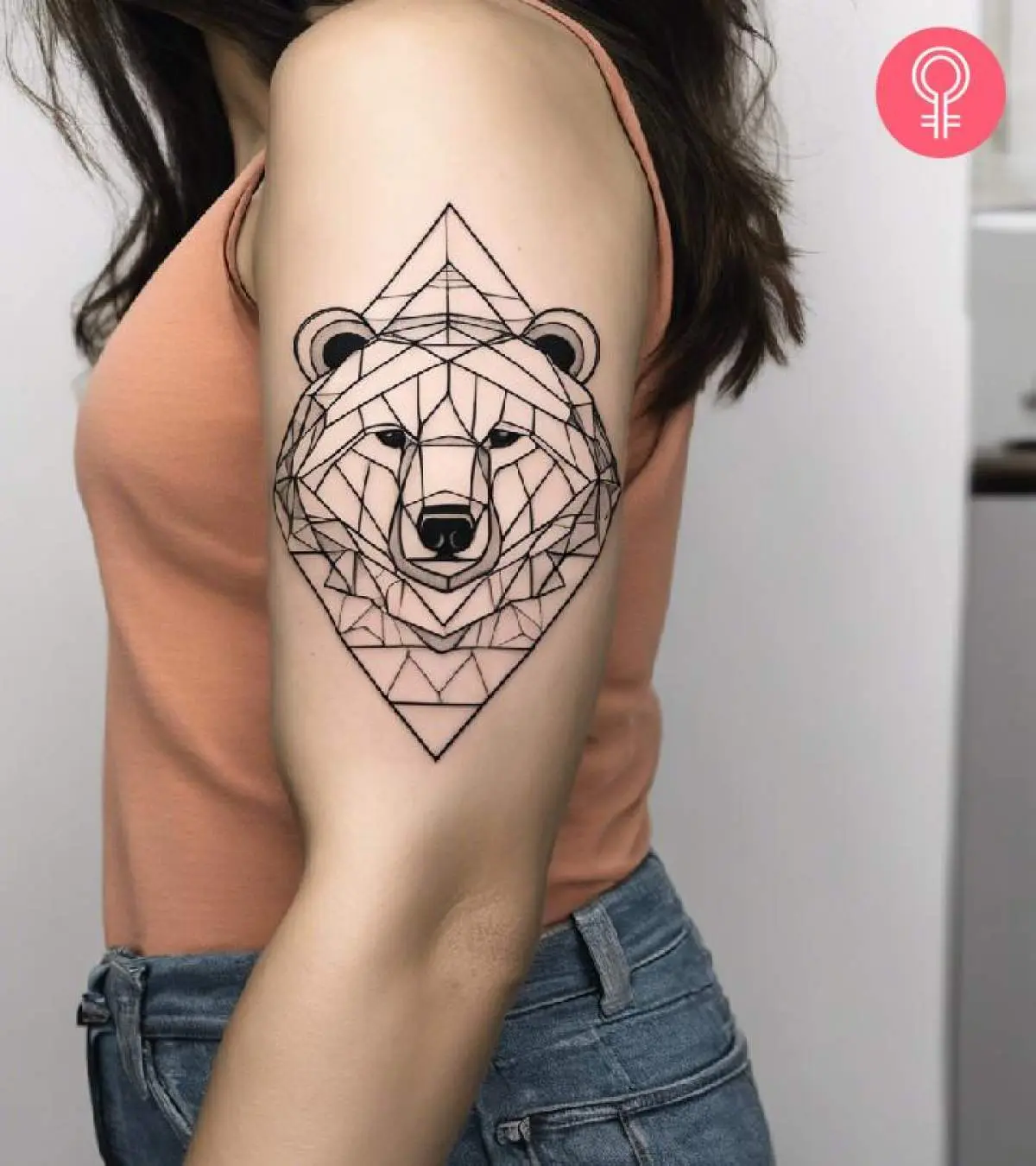
"Start by doing some research. The first step is to familiarize yourself with the different types of geometric tattoos. ... Spend some time looking at different tattoo portfolios online, and get an idea of the styles that you like." Begin with broad exposure: browse artist portfolios and studio FAQs to understand the forms — from strict minimalism to layered sacred geometry — and to see how artists resolve linework, negative space, and dotwork shading. Jon Poulson’s framing reminds you that geometric work pairs exact shapes with symbolism, so research should include both visual examples and the ideas you want to encode.
2. Narrow options with tattoo flash websites
"Once you have an idea of the style that you're going for, it's time to start narrowing down your options. The best way to do this is by looking at tattoo flash websites. These sites allow you to browse through thousands of different designs... Simply narrow down your search by selecting the shapes, colors, and patterns that you're interested in, and you'll be left with a much smaller pool of options." Use flash sites to rapidly assemble a shortlist: filter by shape (circles, triangles, hexagons), style (dotwork, fine-line minimalism), and motif (animal, mandala, sacred geometry). Save examples that use the visual techniques you want—cascading triangles, interlocking lines, single-line hexagons—so you present clear references to an artist.
3. Shortlist designs and consult with a tattoo artist
"Once you've found a few designs that you like, it's time to consult with a tattoo artist. The artist will be able to take your ideas and turn them into a beautiful piece of art. They will also be able to advise you on placement, sizing, and any other details that you may be unsure about." Bring your saved flash and portfolio examples to a consultation. Ask the artist how they would adapt scale, line weight, and dotwork for your skin tone and body contours; their suggestions will reveal technical understanding and help avoid design decisions that look good on paper but fail in practice.
- "Consistent straight lines and accurate angles in past work."
- "Proven ability with dotwork and fine-line techniques."
- "Portfolio diversity spanning minimalist and complex compositions."
- "Positive client reviews highlighting precision and professionalism."
4. Vet artists using strict technical criteria
When evaluating individual artists, check for these exact markers from Jon Poulson:
"Reviewing portfolios in person or online ensures the artist’s style aligns with your design ambitions." Look closely at healed photos, not only fresh work, to evaluate line consistency and dotwork density over time. Positive client reviews combined with visual evidence of precision are essential for geometric pieces where a millimeter matters.
5. Choose a reputable shop that specializes in geometric tattoos
"Find a reputable shop that specializes in geometric tattoos. This will ensure that your tattoo is done correctly, and it will also give you peace of mind knowing that the shop has experience with this type of tattoo." Shop specialization matters: a studio familiar with dotwork, negative-space transitions, and the long sessions required for precision will manage stencil placement, stretch, and line rhythm better. Alohatattoos specifically recommends: "For a studio known for its geometric expertise, visit Aloha Tattoos." And: "For exceptional geometric tattoo artistry, consider exploring the portfolio at Aloha Tattoos." Consider both individual artist skill and the studio’s track record.
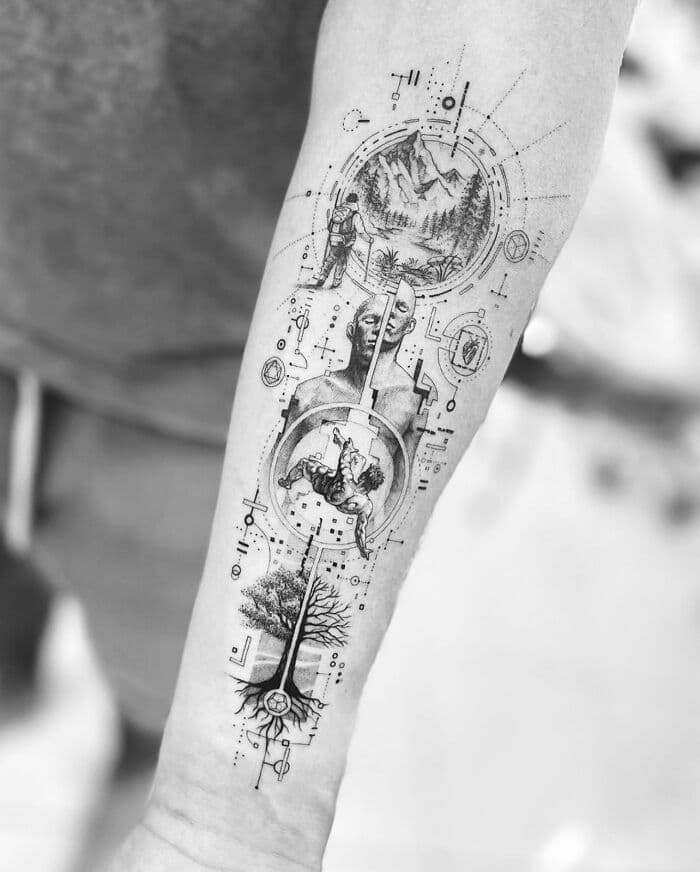
- "Full sleeves utilize cascading triangles, dotwork shading, and interlocking lines to form cohesive visual stories." Full-sleeves let you build sequence and rhythm; expect multiple sessions and careful flow around joints.
- "Half-sleeve designs combine sacred geometry motifs with negative-space transitions for bold impact." Half-sleeves are a strong compromise for presence without the commitment of a full wrap.
- "Tiny geometric icons—like micro-circles, minimalist arrows, or single-line hexagons—offer subtle yet meaningful accents." Micro pieces are low-visibility, faster sessions, but demand extreme fine-line control.
6. Decide placement, scale, and how the body shapes the design
"Placement shapes a design’s visual harmony and personal significance:" Evaluate the storytelling and visibility trade-offs for format choices:
"Choosing between large and small formats depends on desired visibility, pain threshold, and narrative scope." Remember: "Selecting the ideal geometric tattoo artist and placement hinges on evaluating portfolio precision and understanding how body contours influence design flow." Proper placement enhances both aesthetic balance and symbolic resonance.
7. Choose styles, motifs, and what the shapes mean to you
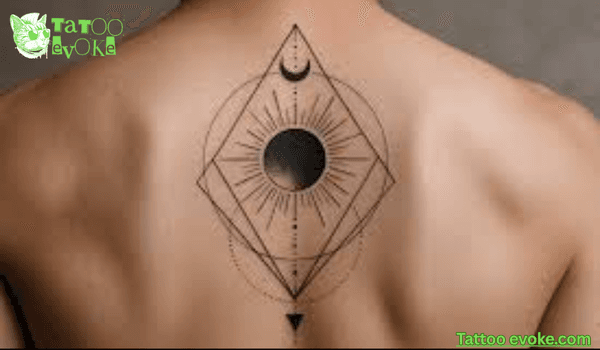
Alohatattoos lists the top style and motif options you should consider: dotwork and minimalism; animal and mandala motifs; sacred geometry motifs. If symbolism matters, identify basic signifiers to discuss with your artist — Alohatattoos promises a decode of "the symbolism behind circles and triangles," so ask your artist or studio FAQ to confirm meanings before committing. Also prioritize visual techniques you like—dotwork shading, interlocking lines, negative-space transitions, cascading triangles, single-line hexagons, micro-circles, or minimalist arrows—so the final design reflects both aesthetic and narrative intent.
8. Anticipate pricing drivers: complexity and customization
Keep in mind that pricing is "driven by complexity and customization." Intricate dotwork, extensive negative space planning, multi-session sleeves, and bespoke composition all increase time and therefore cost. While no hourly or session rates are provided here, use complexity and required customization as your budget signal: the more bespoke and detailed the composition, the higher the likely investment.
9. Follow aftercare exactly as instructed
"Be sure to follow all of the aftercare instructions given to you by your artist, and make sure that you keep your tattoo clean and dry for the first few weeks. By following these simple tips, you'll be on your way to enjoying your new geometric tattoo for years to come!" Aftercare is non-negotiable for linework retention: keep the tattoo clean and dry during the initial healing window and follow the artist’s specific product and hygiene instructions closely. Alohatattoos includes aftercare routine guidance in its promises, but Certifiedtattoo provides the explicit baseline instructions quoted above.
10. Use the right resources and file your checklist
Preserve the practical resources cited in the research: use "tattoo flash websites" to browse thousands of designs; "Reviewing portfolios in person or online ensures the artist’s style aligns with your design ambitions"; and consider the recommended studio portfolio from Aloha Tattoos as an example of geometric expertise. Save your shortlist, the artist’s healed photos, and written aftercare directions in one folder to bring to your appointment.
11. Verify gaps before booking
Document the missing specifics you still need to confirm: studio addresses and contact details for Aloha Tattoos if you plan to visit; publication metadata for references you used; explicit definitions of circles/triangles symbolism if that matters to your narrative; concrete pricing ranges or session estimates from the shop; and an exact aftercare regimen (ointment, shower rules, sun exposure timeline). These are practical follow-ups to ensure no surprises on appointment day.
Final note: this checklist merges Certifiedtattoo’s five-step "Wrap Up!" sequence with Jon Poulson’s technical and placement guidance from Alohatattoos so you have a compact, actionable roadmap. Follow the sequence: research, flash narrowing, artist consult, specialized shop, and strict aftercare — while vetting artists for "Consistent straight lines and accurate angles in past work," "Proven ability with dotwork and fine-line techniques," "Portfolio diversity spanning minimalist and complex compositions," and "Positive client reviews highlighting precision and professionalism."
Quick prompt for the community: which step saved you the most trouble when you booked your geometric piece? Reply with artist name and placement.
Know something we missed? Have a correction or additional information?
Submit a Tip