China blocks Meta's $2 billion Manus AI startup deal
China’s top planner killed Meta’s bid for Manus, signaling that AI startups with Chinese roots are now strategic assets, not routine takeover targets.
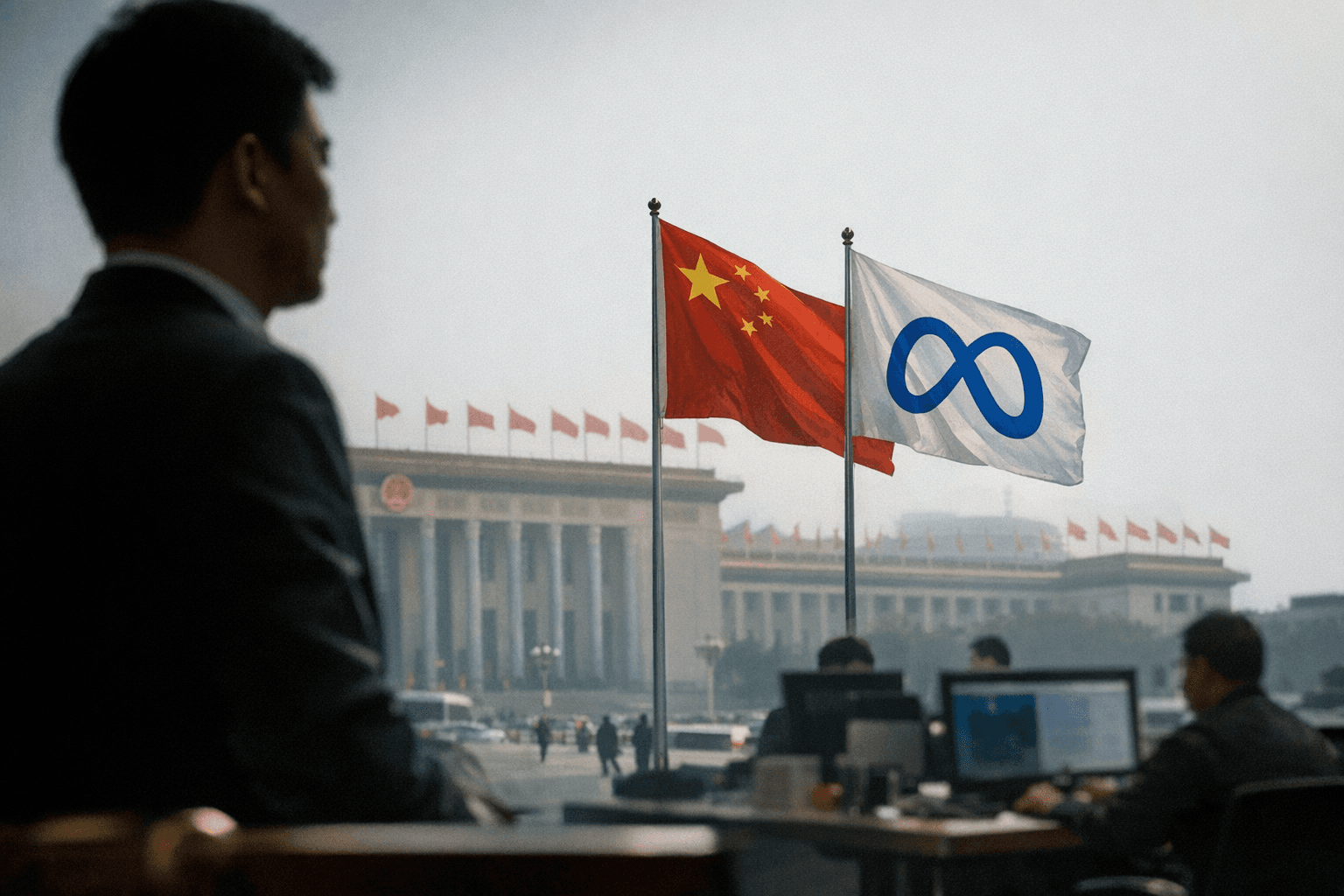
China’s top economic planner has blocked Meta Platforms’ purchase of Manus, ordering the deal canceled and turning a $2 billion acquisition into a fresh test of how far Beijing will go to keep strategic AI assets out of U.S. hands.
The ruling by the National Development and Reform Commission shows that cross-border AI dealmaking has moved deep into geopolitical territory. Manus was not just another startup with a high valuation. It was founded in China in 2022 by Xiao Hong and Ji Yichao, then repositioned itself in Singapore while retaining Chinese roots and exposure. That combination made it a prized target and a sensitive one.
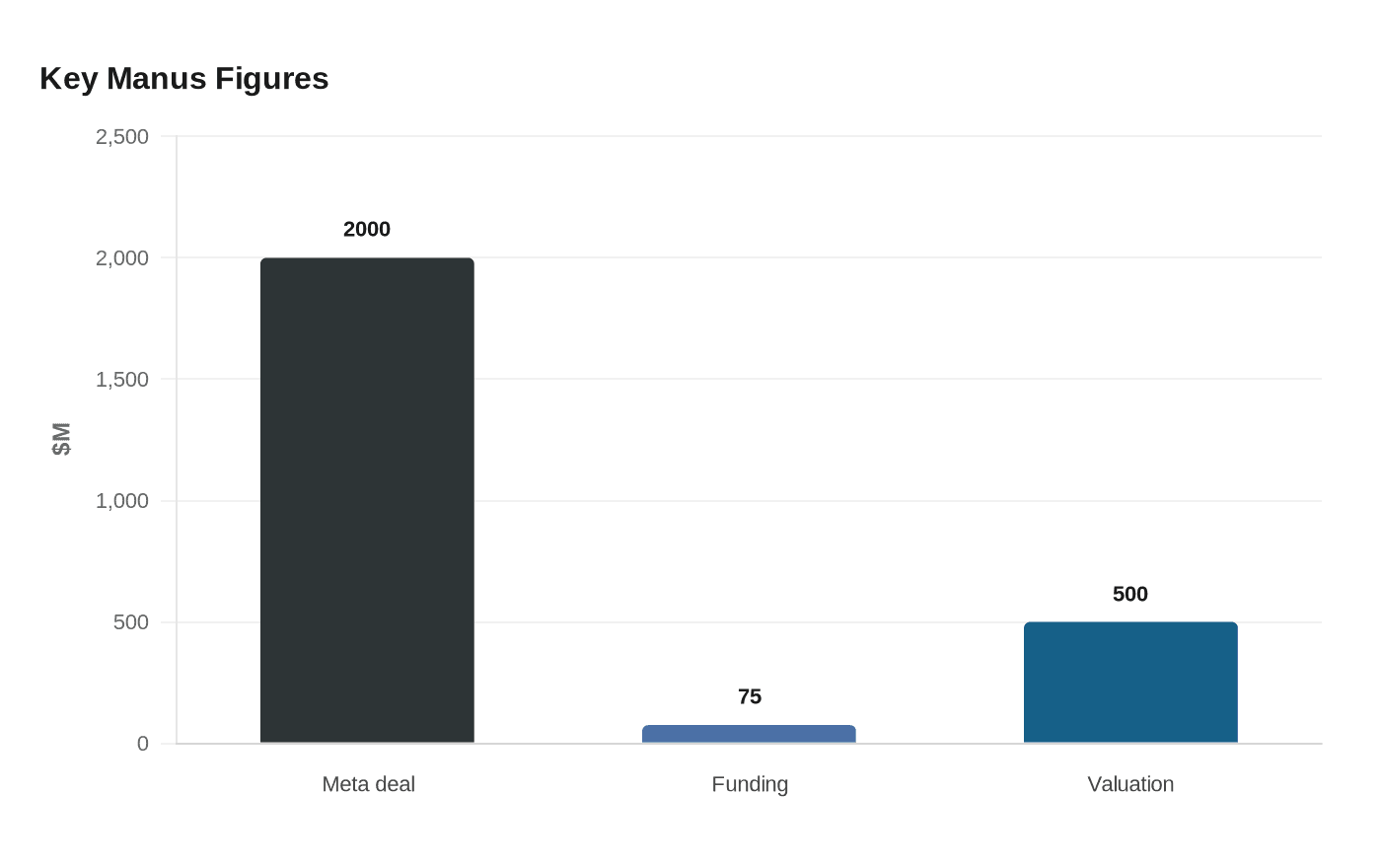
The company’s trajectory helps explain why regulators intervened. In July 2025, Manus shifted its headquarters from Beijing to Singapore, laid off most of its roughly 120 workers in China and moved about 40 core technical staff to Singapore. In April 2025, it raised $75 million in funding led by Benchmark, with backing from Tencent, ZhenFund and HongShan Capital, at a valuation of about $500 million. Later reporting said Manus was claiming more than $100 million in annual recurring revenue, a scale that made it unusually attractive to acquirers looking for talent, model development and access to fast-moving agentic AI capabilities.
Beijing had already signaled that it was treating the transaction as more than a standard investment review. On March 25, 2026, Chinese authorities barred Xiao and Ji from leaving the country while regulators examined whether Meta’s proposed purchase violated investment rules. The founders were also summoned to a meeting in Beijing with the National Development and Reform Commission, underscoring how central the state planner was to the process. The April 27 cancellation followed months of scrutiny, not a sudden reversal.
For Meta, the decision is a reminder that the global AI market is fragmenting along national lines. For Chinese startups with offshore structures, it is a warning that moving headquarters abroad may not be enough if the business still sits inside China’s strategic perimeter. And for U.S. companies looking abroad for talent, data access or frontier AI capabilities, the message is blunt: these deals are no longer just about price, but about control.
The Manus case fits a broader decoupling trend in which governments are treating advanced AI firms as strategic assets, with the National Development and Reform Commission acting as a gatekeeper for foreign investment and industries Beijing considers sensitive. In that environment, acquisition negotiations can be overridden by industrial policy, and the line between commercial ambition and national security has all but disappeared.
Know something we missed? Have a correction or additional information?
Submit a Tip