China moves to list yuan‑denominated LNG futures on Shanghai exchange
China plans yuan‑settled LNG futures on the Shanghai Futures Exchange as soon as February, aiming to boost domestic hedging and deepen yuan pricing in energy markets.
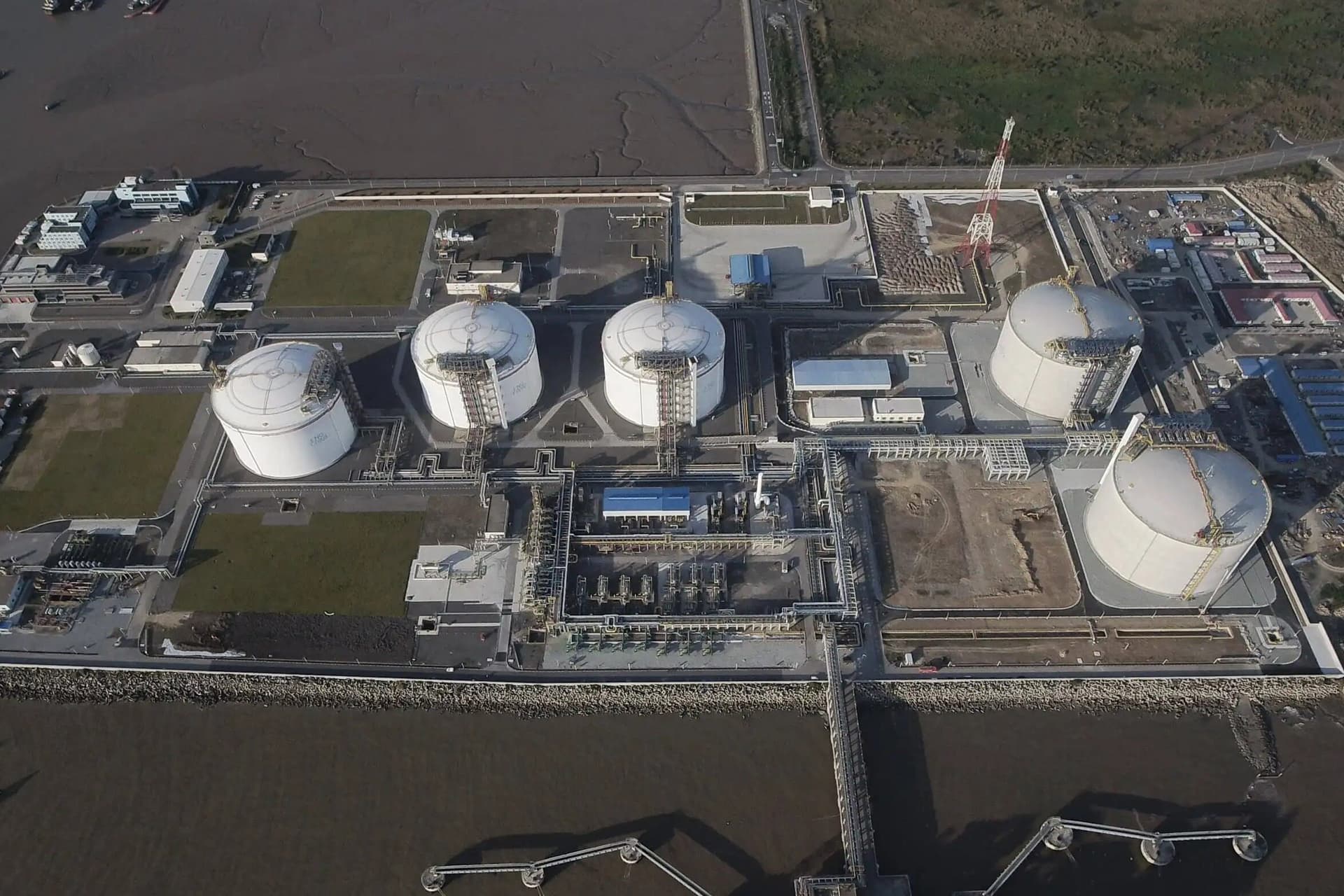
China plans to launch yuan‑denominated liquefied natural gas futures on the Shanghai Futures Exchange as soon as February 2026, people with knowledge of the matter said, a move designed to let Chinese importers hedge price risk without relying on Western trading venues. The initiative would extend a broader push to build domestic benchmarks for energy and raw materials that Beijing sees as critical for financial sovereignty and international pricing influence.
Exchange executives have said the product received formal approval in 2021 and that "this year" the design of the relevant rules had been completed and the conditions for listing were "basically in place." That timeline suggests regulators and exchanges believe key technical and compliance elements are ready even as operational specifics remain undisclosed. At present, market participants do not have confirmed contract specifications, delivery points or whether the contracts will allow physical settlement and international participation on the same terms as existing yuan energy products.
The proposal follows a series of strategic upgrades at the Shanghai Futures Exchange and its energy subsidiary, which have expanded product offerings and trading infrastructure. The exchange's reported monthly trading value reached 24.93 trillion yuan in November 2025, and it registered an 11 percent rise in trading turnover earlier in 2025 to 48.87 trillion yuan. In 2025 China opened roughly 70 percent of its domestic futures products to international participants, marking a significant liberalization that could make a yuan LNG contract attractive to overseas traders and producers if access and settlement clarity are provided.
For global gas markets, a yuan‑settled LNG futures contract would add a new pricing reference focused on Asian demand and Chinese import structure, potentially accelerating the shift from oil‑indexed and dollar‑settled long‑term contracts toward regional gas benchmarks. Today, LNG pricing in Asia is a mix of spot cargo economics and a variety of linked formulas; introducing a liquid Shanghai contract could provide traders and importers a direct tool to hedge Asia‑Pacific exposure in local currency. That matters for corporate balance sheets: paying for hedges in yuan removes currency mismatch for local buyers and reduces reliance on dollar‑based derivatives.
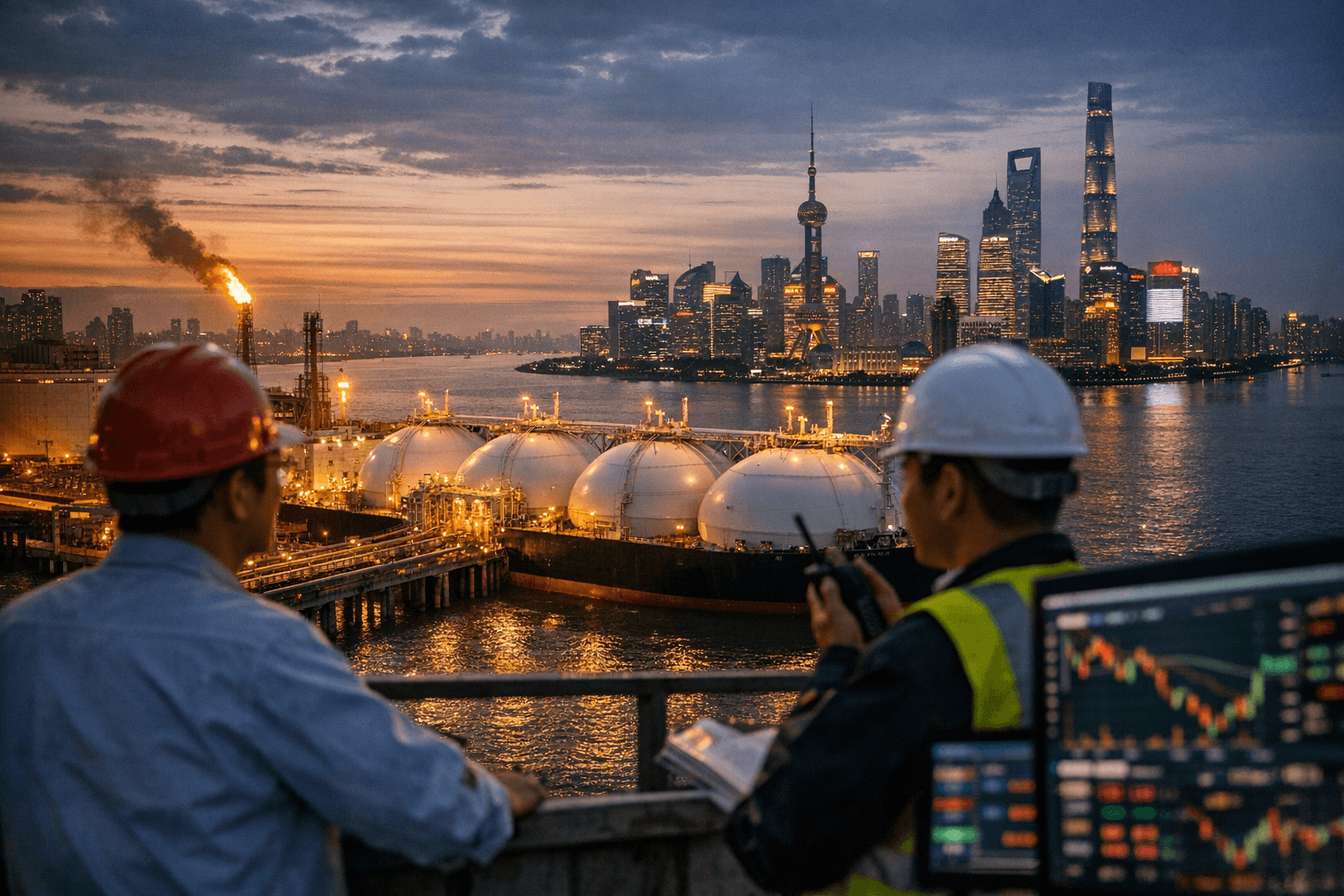
Policy makers view the move as part of financial reform and market deepening. Officials and exchange leaders have framed new futures products as mechanisms to stabilize capital markets, attract medium‑ and long‑term investors, and support domestic firms expanding abroad. The exchange has also signaled greater emphasis on environmental, social and governance disclosure by joining a major UN initiative on sustainable exchanges, an indication that Beijing wants its commodity markets to meet global governance expectations as they internationalize.
Challenges remain. Liquidity is essential for any benchmark; Shanghai will need participation from major LNG producers, trading houses and shipping players to generate tight spreads and reliable price discovery. Physical infrastructure for delivery and standardized contract specifications will determine whether the contract functions as a cash‑settled risk instrument or a cornerstone of physical trading. Competition from established benchmarks such as Henry Hub and regional Asian indices means the new contract must prove its utility to both domestic and international market-makers.
If successful, yuan LNG futures would follow the Shanghai crude oil contract launched in 2018 and deepen a longer trend toward yuan‑based energy pricing that Beijing has encouraged as part of its broader strategy to increase the currency's global role. The coming weeks should clarify the listing date and technical blueprint; until then, traders and policymakers will watch whether Shanghai can translate regulatory readiness into active, internationally relevant markets.
This article was produced by Prism’s automated news system from verified source data, official records, and press releases, then run through automated quality and moderation checks before publishing. The system is built and supervised by the people who set the standards it runs under. Read our full AI policy.
Did this article answer your question?

