China’s export curbs on 20 firms threaten Japan supply chains and oil flows
China announced rare-earth curbs hitting at least 20 Japanese firms, exposing Southeast Asian suppliers and risking oil and component imports that power regional industry.
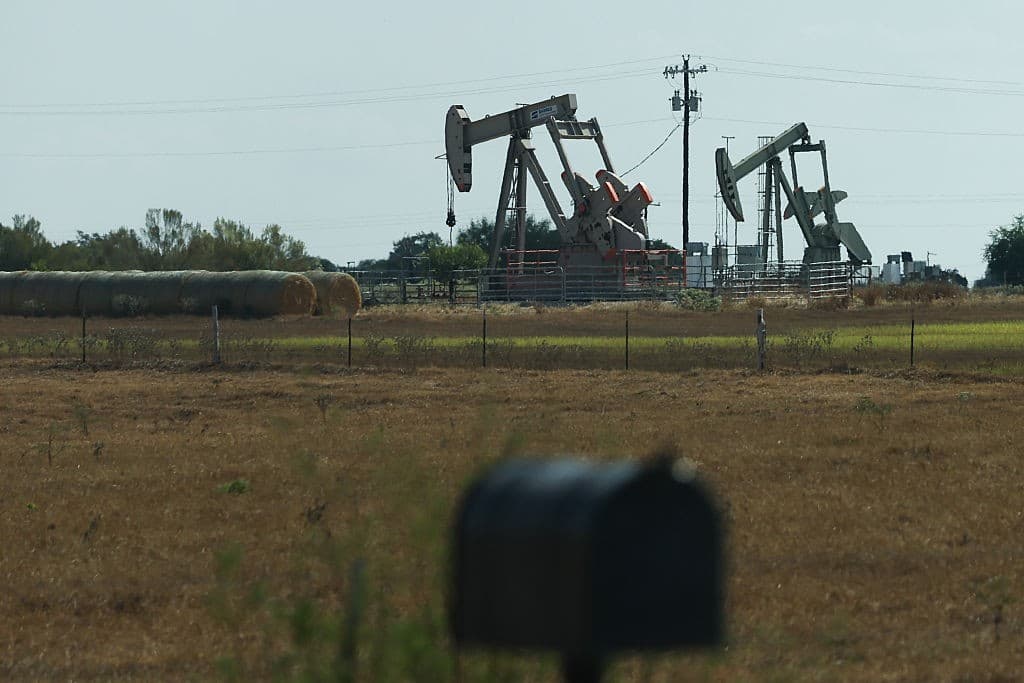
China announced on February 24 that it would impose new curbs on rare-earth exports to at least 20 Japanese firms, setting off a cascade of trade and legal risks for manufacturers across Asia and raising fresh questions about energy security as conflict in the Middle East threatens oil imports that power regional economies.
The measures follow a two-step escalation that began with a broader January ban on dual-use exports to Japan for any end use that could strengthen its military and continued in February with targeted controls that included a blacklist and a separate watch list. Affected firms include at least 20 blacklisted organizations and a further 20 companies placed on a watch list that requires case-by-case approvals; the watch list reportedly includes carmaker Subaru and Sumitomo Heavy Industries. Prime Minister Takaichi Sanae has a White House visit scheduled for mid-March, increasing diplomatic stakes during the dispute and a pause in extraterritorial enforcement that analysts say expires in November 2026.
The February controls, one regional analysis said, "explicitly prohibit overseas companies and individuals from transferring Chinese-origin dual-use goods to the 20 blacklisted organizations." That language broadens Beijing’s leverage beyond direct bilateral trade: third parties, including Japanese subsidiaries operating in Southeast Asia, could face criminal prosecution under Chinese law if they facilitate transfers that violate the rules. Concrete supply-chain examples cited by industry observers include a Vietnamese rare-earth processor supplying a Mitsubishi subsidiary and a Thai electronics component maker feeding into IHI’s supply chain, both of which may now face regulatory exposure that could prompt preemptive withdrawal by suppliers.
The measures come amid wider strategic turbulence. A policy paper warned that "APEC economies face growing strategic vulnerabilities due to their dependence on both the U.S. and Chinese markets," calling attention to recent policy whiplashes tied to shifts in U.S. trade posture. The same analysis urged governments to "Establish Financial and Supply Chain Crisis Response Mechanisms" to cope with shocks that can cascade across borders.
These controls interact with other emerging pressures. With tariffs and export controls already reshaping sourcing decisions since the U.S.-China trade war, some governments that embraced "China plus one" diversification now confront steeper tariffs and what analysts describe as a reversal of incentives that treats supply-chain relocation as suspect. The combination of export controls, potential criminal exposure for third-party suppliers, and renewed tariff risks risks resegregating supply chains and prompting costly onshoring or duplication of capacity.
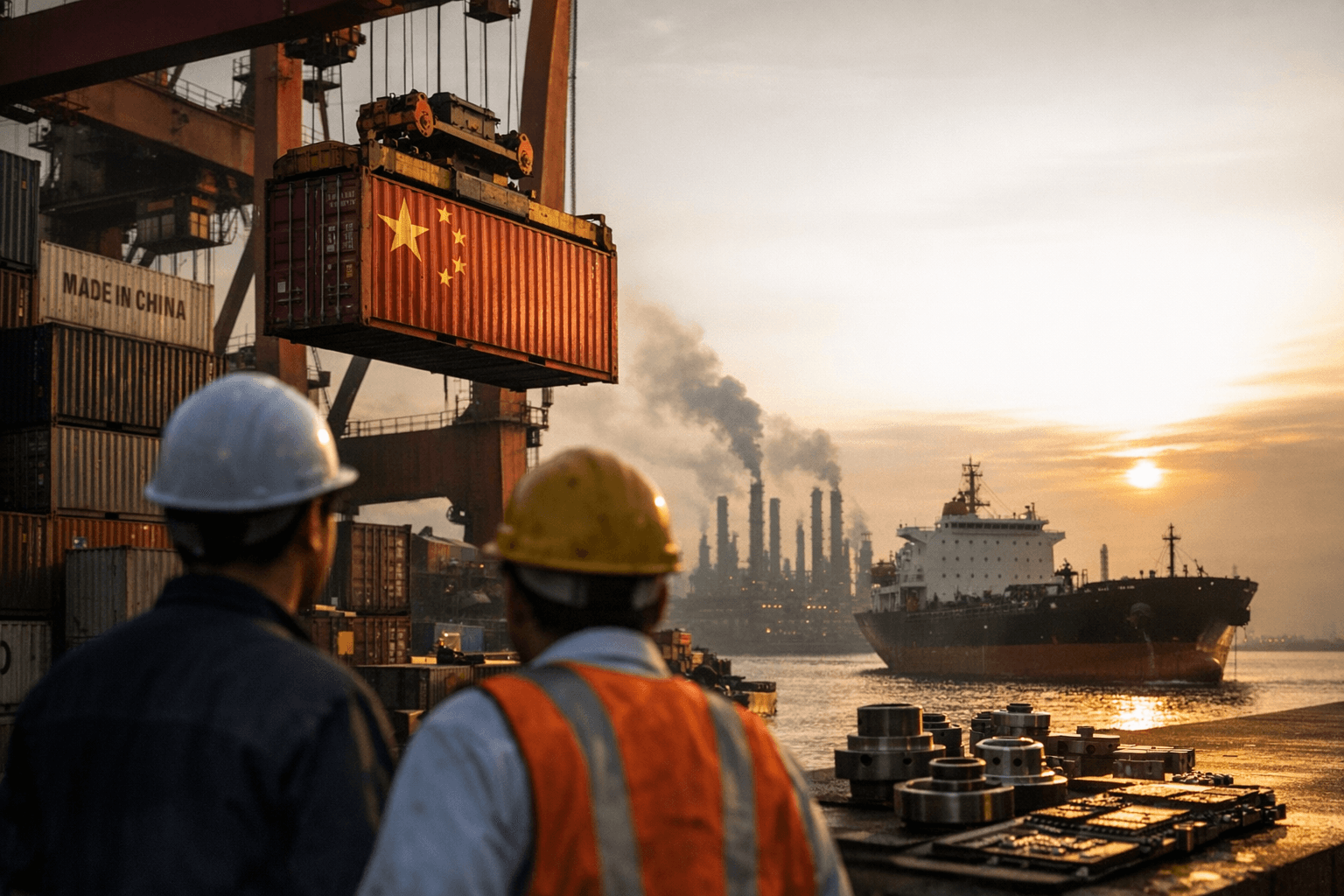
Energy is an immediate vector of vulnerability. The original report notes that conflict in the Middle East now threatens to disrupt the oil imports that power China, Japan and other Asian economies. Without contingency plans for both critical minerals like rare earths and fuel supplies, manufacturers face short-term production shocks and longer-term decisions about where to locate strategic capacity.
Regional hedging complicates responses. Southeast Asian states employ varying strategies to minimize risk; some are closely aligned with Beijing while others remain wary. Japan has pursued trade and investment engagement across the region, including leadership roles in the CPTPP and RCEP, but those ties may not insulate firms from extraterritorial controls or legal exposure under new Chinese rules.
Policymakers and corporate risk teams now must reconcile diplomatic calendars, looming enforcement deadlines, and energy market volatility. Analysts stress that without coordinated financial and supply-chain crisis mechanisms, Asia’s industrial base could face repeated disruptions that extend well beyond the current Sino-Japanese dispute.
Know something we missed? Have a correction or additional information?
Submit a Tip