Choosing the Right Scale and Gauge for Your First Model Railroad
Picking the right scale and gauge sets the foundation for enjoyment and long term success in model railroading. This guide walks new hobbyists through the most important factors, from space and purpose to budget and electronics, so you can make a confident first purchase and start operating without costly regrets.
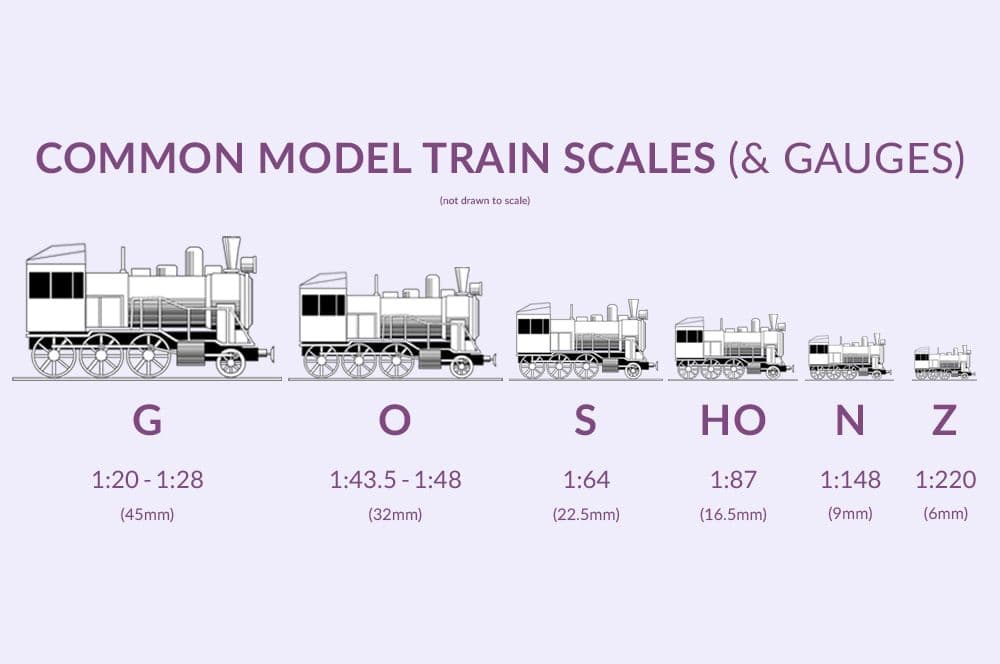
Space remains the single biggest constraint for first time model railroaders, and it drives the choice of scale and gauge. HO at 1 to 87 offers the most popular balance of detail and footprint, making it a safe choice for most home layouts. N at 1 to 160 rewards tight spaces and multi scene layouts by shrinking required real estate while still delivering credible detail. O at 1 to 48 and G garden large scale need much more room, but they offer strong presence and easy handling for showpiece displays or outdoor railways.
Purpose defines how a layout will be used and which scale will best fit that use. HO and N suit operating layouts and larger scenic builds, while O scale and G garden large scale work well as display pieces or for outdoor running with robust equipment. Availability and budget are closely related. HO enjoys the widest aftermarket support and a large used market, which makes parts and rolling stock easier to find and often less expensive over time. N scale provides good value when you want long mainlines in small spaces. O scale and garden models are more expensive per item, but they are generally durable and make attractive focal points.
Community support can accelerate learning and lower startup costs. Check local clubs and hobby shops to see which scales they support, because clubs often loan knowledge, track, or used gear to newcomers. Electronics and control are widely available across scales. Digital Command Control, or DCC, is supported at most scales, but decoder sizes and costs differ. N decoders are physically smaller and can be slightly more expensive per locomotive.

Practical tips will save time and money. Start with a small realistic track plan, such as a loop plus siding or an end to end with a fiddle yard. Buy one good locomotive and a few quality cars rather than many cheap items. Learn wheel and track standards early, and check coupling type and wheel back to back dimensions before you buy. Plan for expansion and storage from the outset.
For a first visit to a hobby shop or club bring a brief checklist with your desired era, preferred scale, rough budget, and whether you intend to run freight or passenger operations. With those basics decided, you can focus on building a layout that is fun to run and easy to expand.
This article was produced by Prism’s automated news system from verified source data, official records, and press releases, then run through automated quality and moderation checks before publishing. The system is built and supervised by the people who set the standards it runs under. Read our full AI policy.
Did this article answer your question?