Chornobyl liquidator reflects on lasting toll 40 years later
A 76-year-old liquidator says only five of 40 coworkers are alive, as Chornobyl’s radiation toll, grief and silence still shape his family.
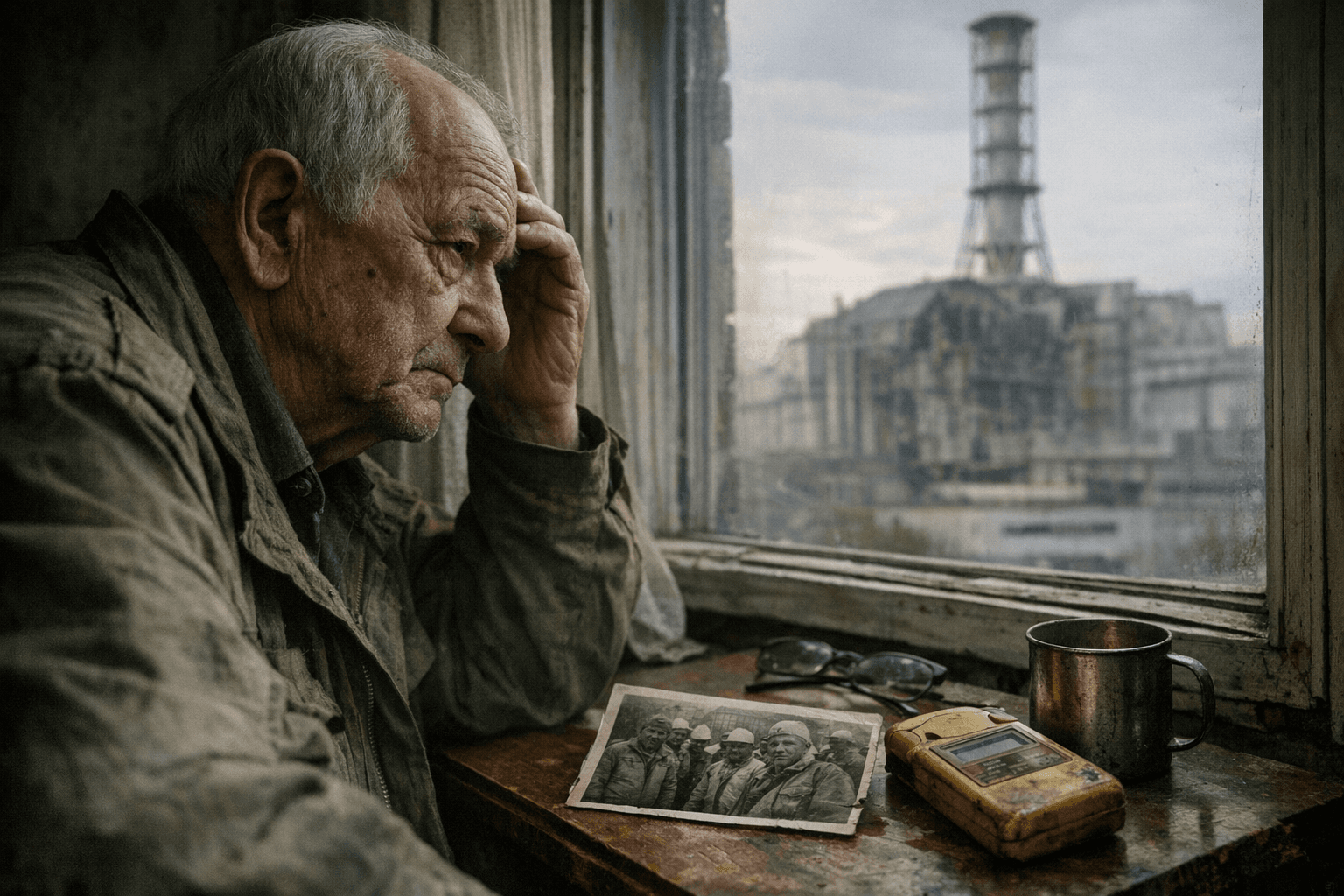
Petro Hurin still measures Chornobyl in absences. The 76-year-old liquidator in Khutory, in Ukraine’s Cherkasy region, said his health has never been the same since he was sent to the reactor site four decades ago to help clear contamination after the disaster, and he described the damage in a single line: "It's death by a thousand cuts."
Hurin said that of the 40 people sent from his company, only five are still alive. His account puts a human number on a catastrophe that drew in hundreds of thousands of liquidators, workers who were dispatched to the Chornobyl Nuclear Power Plant after reactor No. 4 exploded during a test on April 26, 1986. Within weeks, 30 workers died and more than 100 others suffered radiation injuries, according to UNSCEAR.
The blast and fire at reactor No. 4 released nearly 520 radionuclides into the atmosphere, and radioactive material spread far beyond Ukraine. The United Nations says contamination reached Belarus, Ukraine and Russia, and radionuclides from Chornobyl were measurable across the northern hemisphere. The disaster also forced the resettlement of nearly 404,000 people, turning one reactor failure into a vast social dislocation that still shadows entire communities.
The Soviet state answered the accident with secrecy as well as force. Officials concealed the scale of the disaster and did not cancel a May 1 parade in Kyiv, even as radiation spread and the human cost mounted. The cover-up has become part of Chornobyl’s legacy, alongside the long debate over how many people ultimately died from radiation-linked illness. The United Nations and the International Atomic Energy Agency say the long-term death toll remains disputed, even as they continue to mark the accident as the world’s most serious nuclear power industry disaster.

The long tail of illness is visible in the medical record. UNSCEAR reported that by 2005 there had been more than 6,000 cases of thyroid cancer among children and adolescents exposed in Belarus, Russia and Ukraine. The Chernobyl Forum has described the accident as producing severe health, environmental and socio-economic consequences. The United Nations General Assembly later established April 26 as International Chernobyl Disaster Remembrance Day.
For Hurin, the catastrophe has also become family history. Other reporting identified his grandson as Andrii Vorobkalo, a Ukrainian serviceman killed near Bakhmut in 2023 at age 26. Hurin and his wife, Olha, regularly visit a memorial in nearby Kholodnyi Yar dedicated to him. Four decades after the explosion, Chornobyl still reads like a ledger of losses, and a reminder that the people sent into catastrophe were promised protection by states that did not always give it.
This article was produced by Prism’s automated news system from verified source data, official records, and press releases, then run through automated quality and moderation checks before publishing. The system is built and supervised by the people who set the standards it runs under. Read our full AI policy.
Did this article answer your question?


