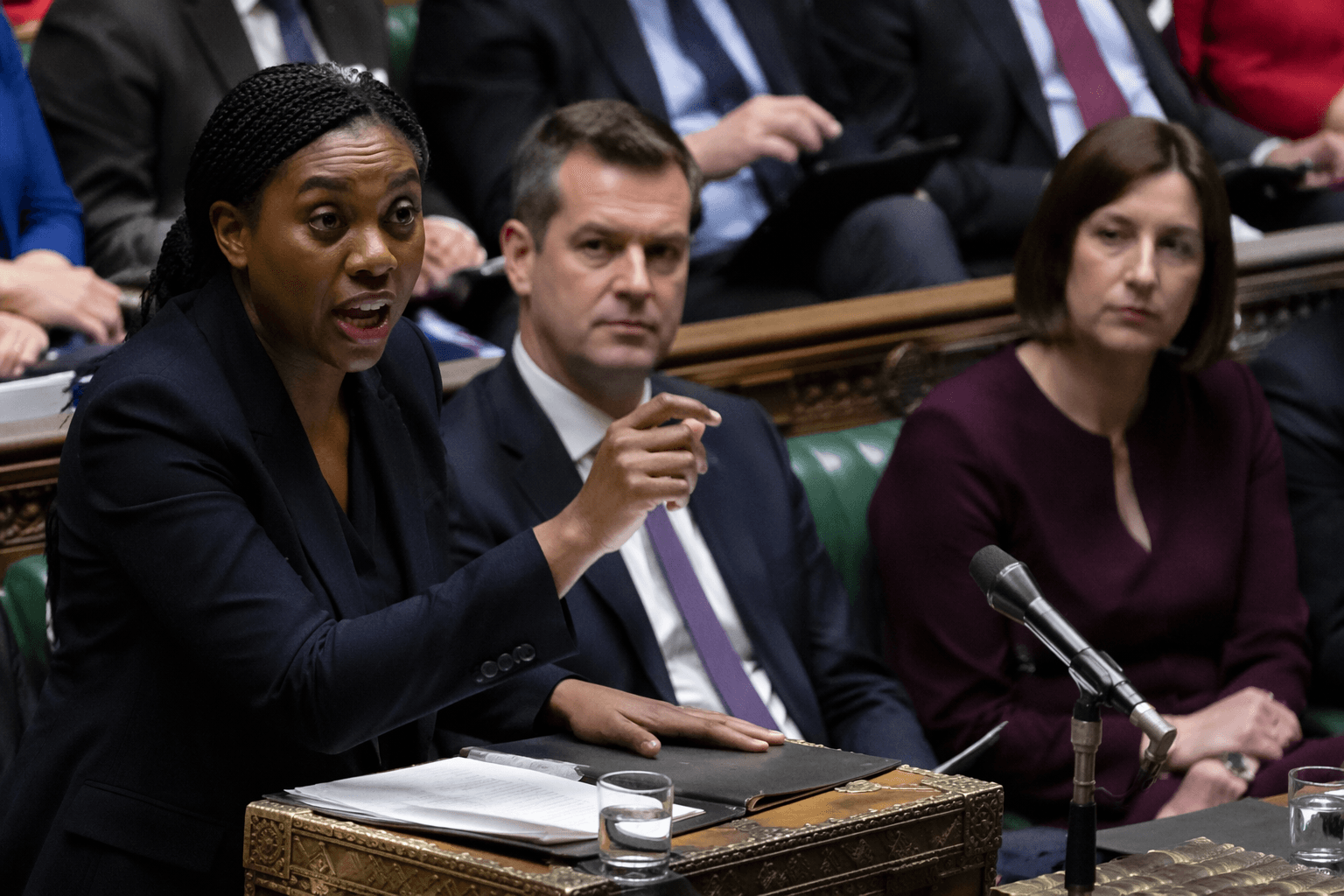
Cleverly brands Reform a cult of personality after strong local election gains
Cleverly said Reform was a “cult of personality” as it swept hundreds of council seats, won Essex and took Havering from the Conservatives.
Sir James Cleverly used Reform UK’s strongest local election night yet to argue that Nigel Farage’s party remains less a durable movement than a personality project. Speaking on BBC’s Sunday with Laura Kuenssberg, the shadow housing secretary said the Conservatives were still “the biggest party on the right” and dismissed Reform as a “cult of personality,” adding: “Nigel is not a policy, being angry at stuff is not a policy.”
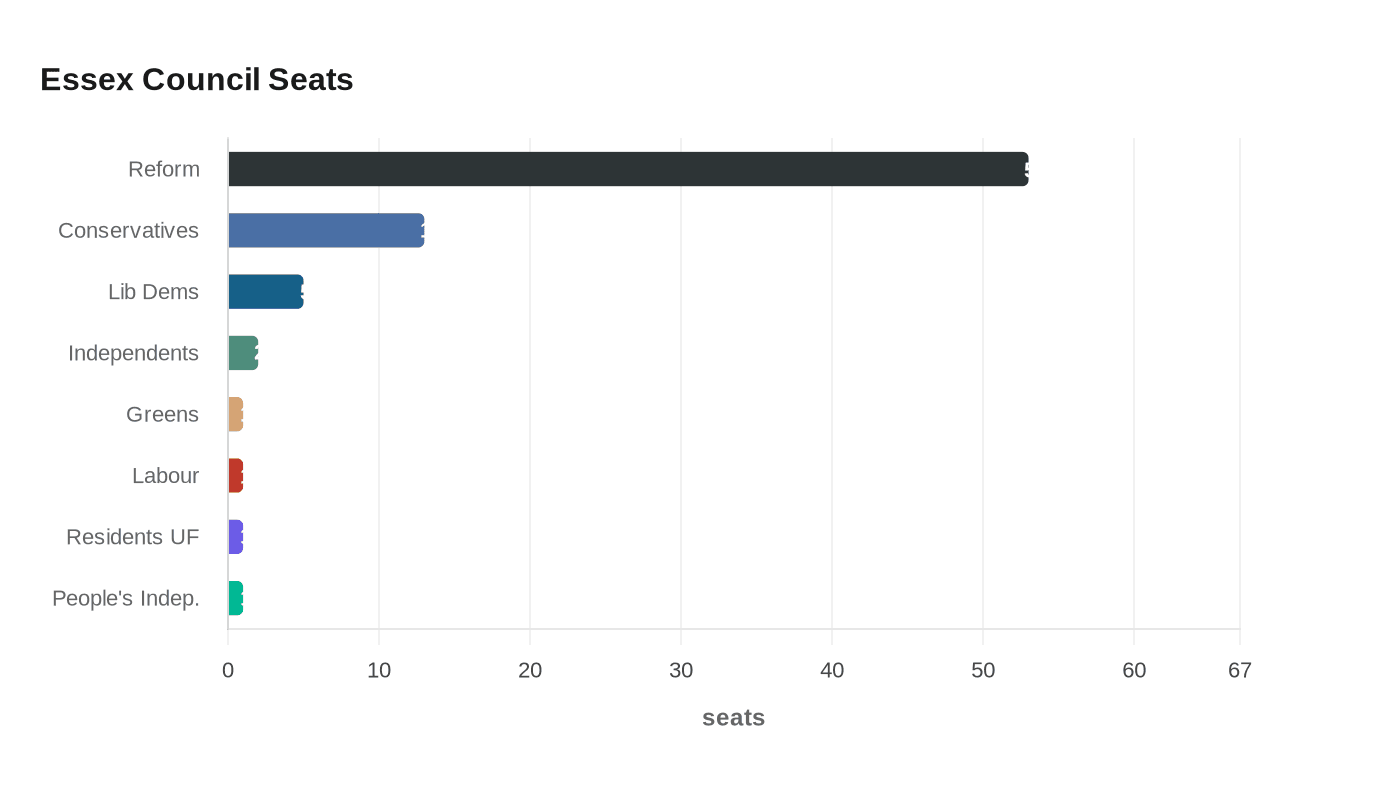
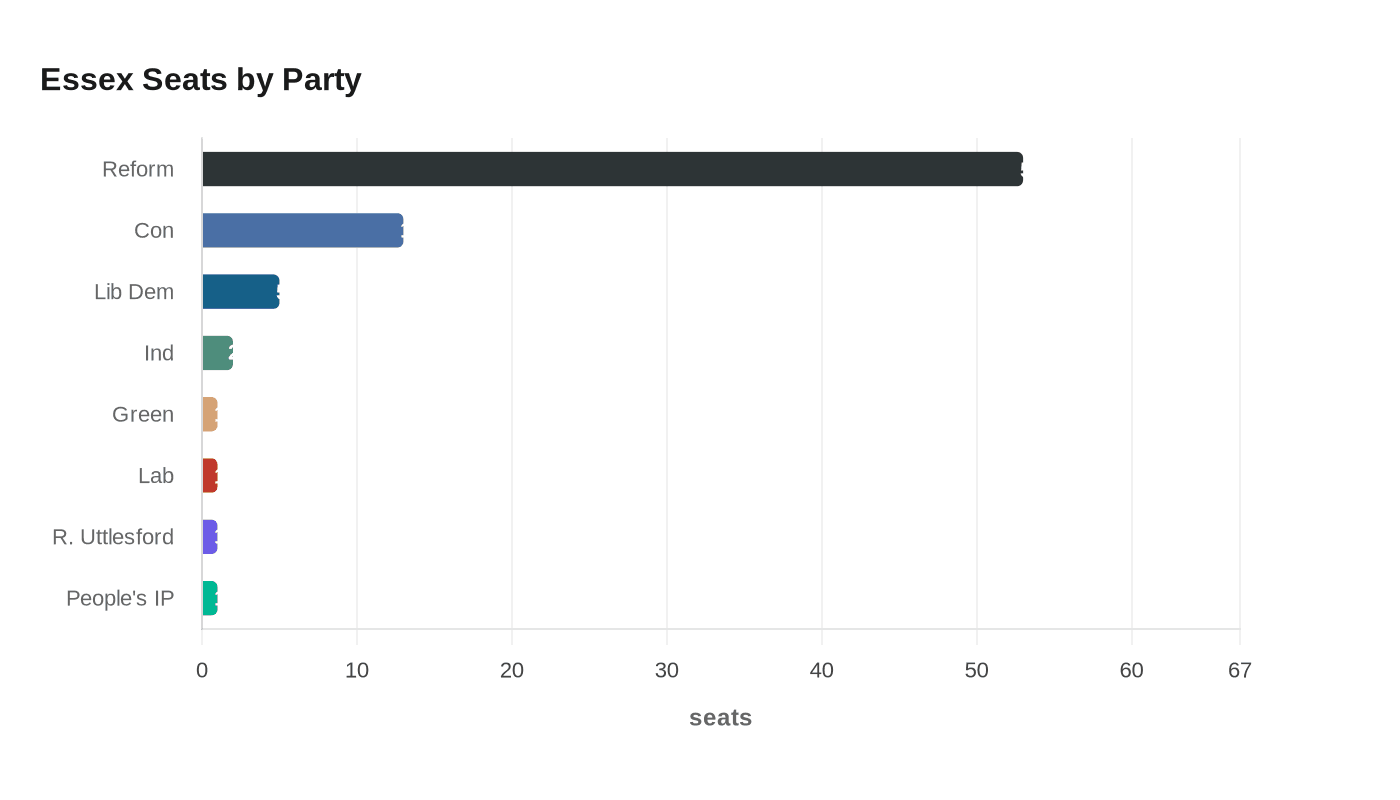
The attack came after Reform won more than 1,300 council seats and took control of 13 to 14 councils across England, a result that has unsettled Conservative calculations about where right-of-centre voters are going. In Essex, Reform seized county hall with 53 seats, while the Conservatives were left with 13. The Liberal Democrats won five, Independents two, the Greens one, Labour one, Residents for Uttlesford one and The People’s Independent Party one. Essex County Council said turnout reached 43.6%, the highest for decades, and 428 candidates stood, up from 350 in 2021.
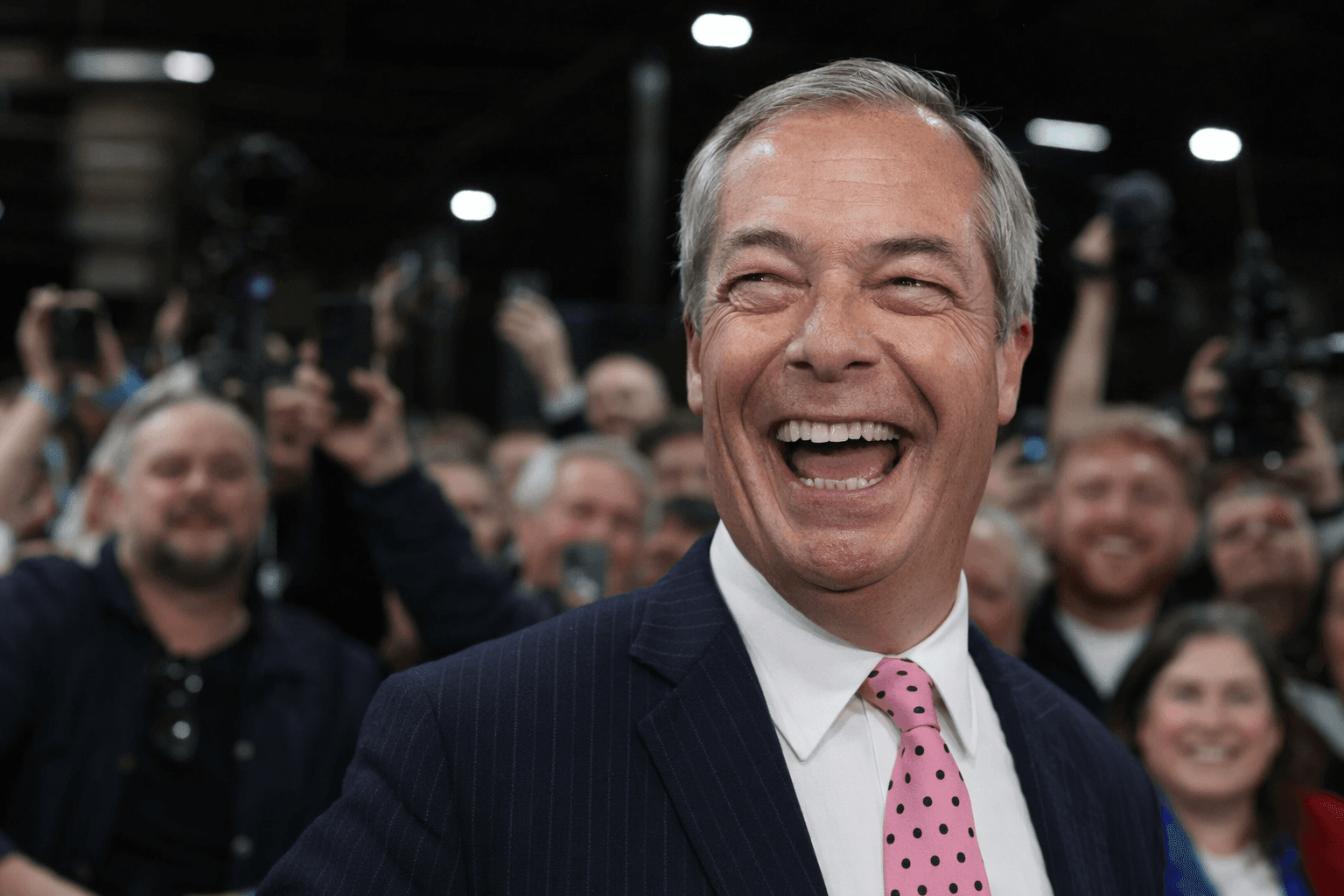
Reform’s advance was not limited to the counties. The party also won its first London borough, Havering, though it failed to take Bexley and Bromley from the Conservatives. Those gains matter because they suggest Reform is no longer confined to protest politics in leave-voting shire counties; it is now pressing into areas the Conservatives had treated as part of their metropolitan outer-ring base.
BBC analyst John Curtice said the overnight results showed British politics had become “highly fragmented” and that Reform were the winners. Richard Tice, Reform’s deputy leader, framed the result as a “seismic shift in British politics” and said the “old tired uni party of Labour and Tory is in terminal decline.”
The clash also revived an argument that has followed Reform for months: whether the party has built an organisation or remains dependent on Farage’s appeal. In June 2025, former Reform deputy leader Ben Habib called it a “Nigel Farage cult” and said Farage was synonymous with the party and lacked a broad, deep team around him. Cleverly has previously warned that Reform could become a repository for disgruntled former Conservatives, and that warning now sits at the centre of the Tory response to a local-election night that left the Conservatives searching for a clearer answer to Reform’s rise.
This article was produced by Prism’s automated news system from verified source data, official records, and press releases, then run through automated quality and moderation checks before publishing. The system is built and supervised by the people who set the standards it runs under. Read our full AI policy.
Know something we missed? Have a correction or additional information?
Submit a Tip