Sarwar vows to stay after Scottish Labour's worst election result
Sarwar will stay after Labour’s worst Holyrood result, turning the setback into a test of whether the party’s Scotland strategy still has legs.
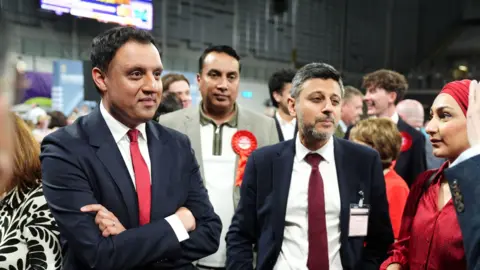
Anas Sarwar chose to stay put after Scottish Labour slumped to its worst result in a Scottish Parliament election, a decision that immediately turned the defeat into a credibility test for the party’s direction in Scotland.
Sarwar said he would "absolutely" remain as Scottish Labour leader after the party won 17 seats and tied with Reform UK for second place. Labour lost four seats from its 22-seat haul in 2021, while the Scottish National Party stayed the largest force on 58 seats, seven short of an overall majority in the 129-seat parliament. Turnout was 53.2%.
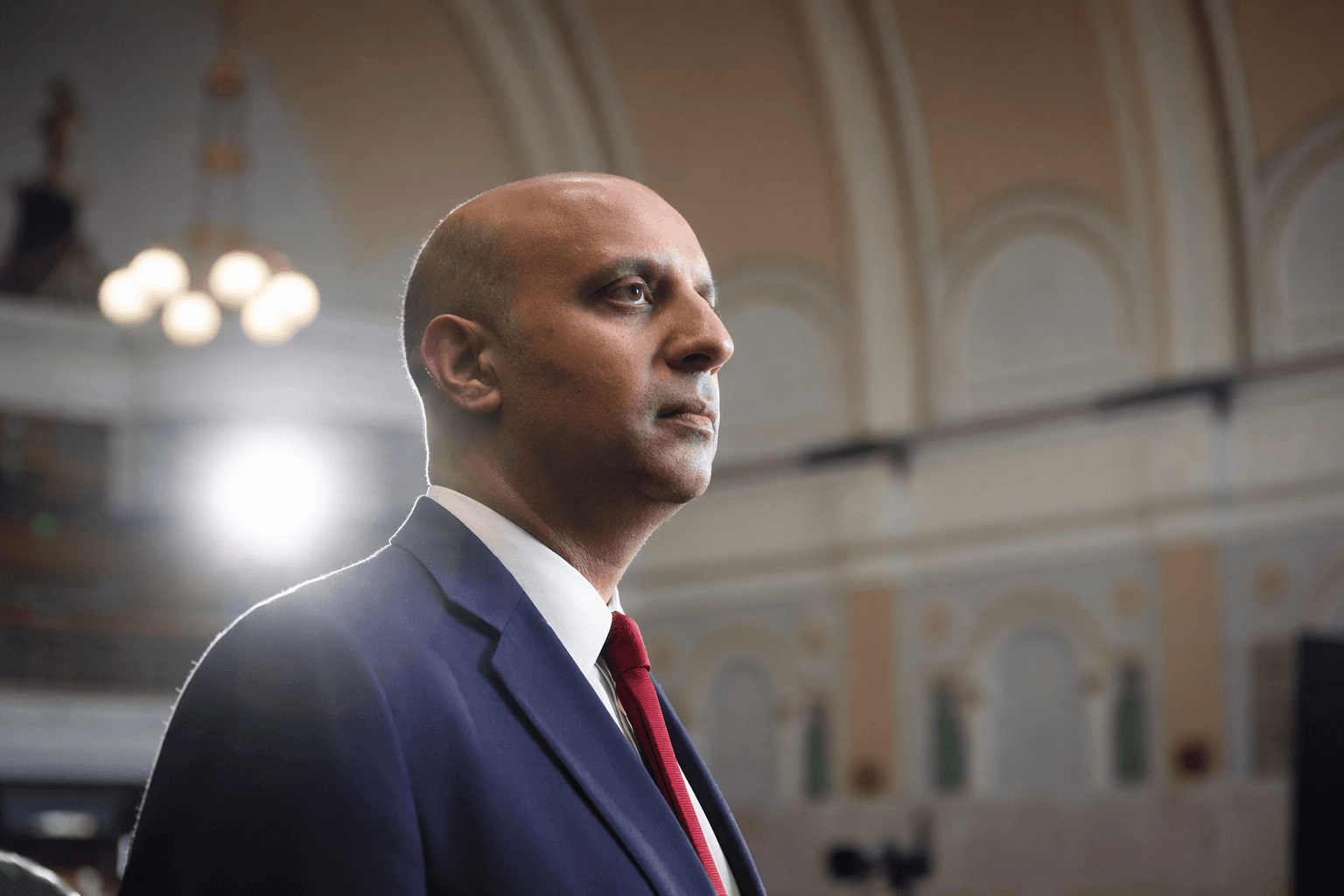
The scale of the setback sharpened the question facing Scottish Labour now: whether this was mainly a messaging failure, an organisational failure, or evidence that the party’s current approach is missing something deeper in Scotland. Sarwar said the result was hurtful and blamed a "national wave" against Labour across the UK, rather than placing the burden solely on the Scottish campaign.
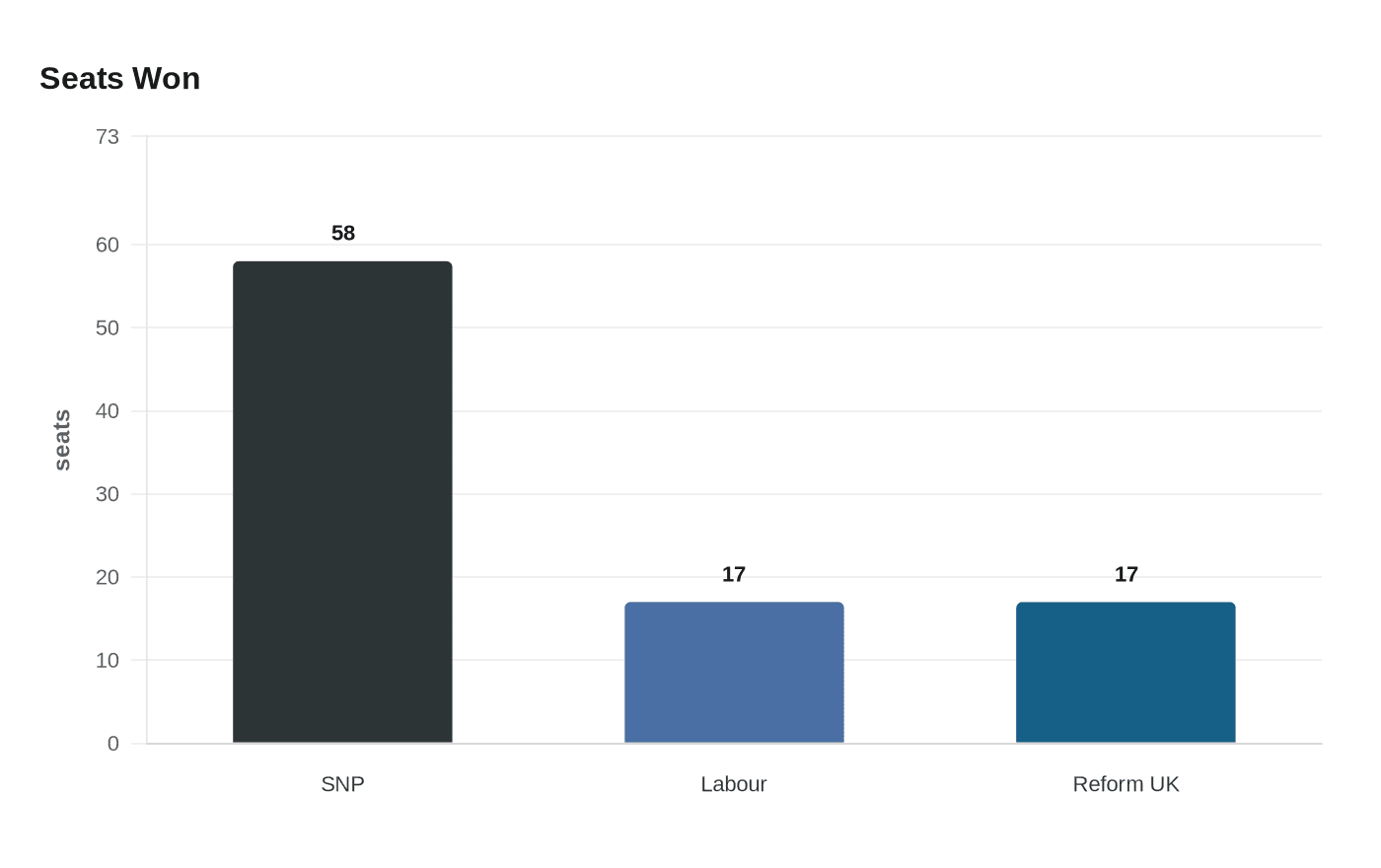
That argument matters because Scottish Labour had gone into the contest as the main challenger to the SNP, yet still failed to make the breakthrough it had hoped for. The party’s 17 seats left it level with Reform UK and well short of the momentum Sarwar had tried to project during a campaign that was supposed to show Labour was moving back into serious contention at Holyrood.
The pressure on Sarwar is intensified by the history of his office. Earlier Scottish Labour leaders have quit after poor election results, including Iain Gray after the SNP’s 2011 landslide and Jim Murphy after Labour’s collapse in 2015. Sarwar, by contrast, is signalling that he intends to absorb the blow and keep building, even as the result raises doubts about how far that journey can continue.
That question has followed him since 2021, when Labour won 22 seats and Sarwar said the party was on a "journey" back. Four years later, the numbers point the other way. Instead of closing the gap on the SNP, Labour has fallen to its weakest Holyrood showing and faces a sharper reckoning over whether the problem lies in the pitch, the machine, or the strategy itself.
This article was produced by Prism’s automated news system from verified source data, official records, and press releases, then run through automated quality and moderation checks before publishing. The system is built and supervised by the people who set the standards it runs under. Read our full AI policy.
Did this article answer your question?

