Melania's former lawyer warns wealthy immigrants away from Trump Gold Card program
Melania Trump’s former lawyer is warning wealthy foreigners to stay away from the Gold Card, as lawyers see legal and tax risk in a visa built by executive order.
The Trump Gold Card is already drawing skepticism from the same elite advisers wealthy immigrants would normally trust. Cara Selby, who previously represented Melania Trump, is warning clients away from the program as immigration lawyers flag legal uncertainty, tax questions and the risk that a president cannot create a lasting visa category by executive order alone.
Donald Trump launched the Gold Card on September 19, 2025, and the White House said the program would offer an expedited immigration path in exchange for a $1 million gift from an individual or a $2 million gift from a corporation or similar entity on behalf of an individual. U.S. Citizenship and Immigration Services later created Form I-140G specifically for the program, a sign that the administration is treating it as an active immigration route rather than a political slogan.

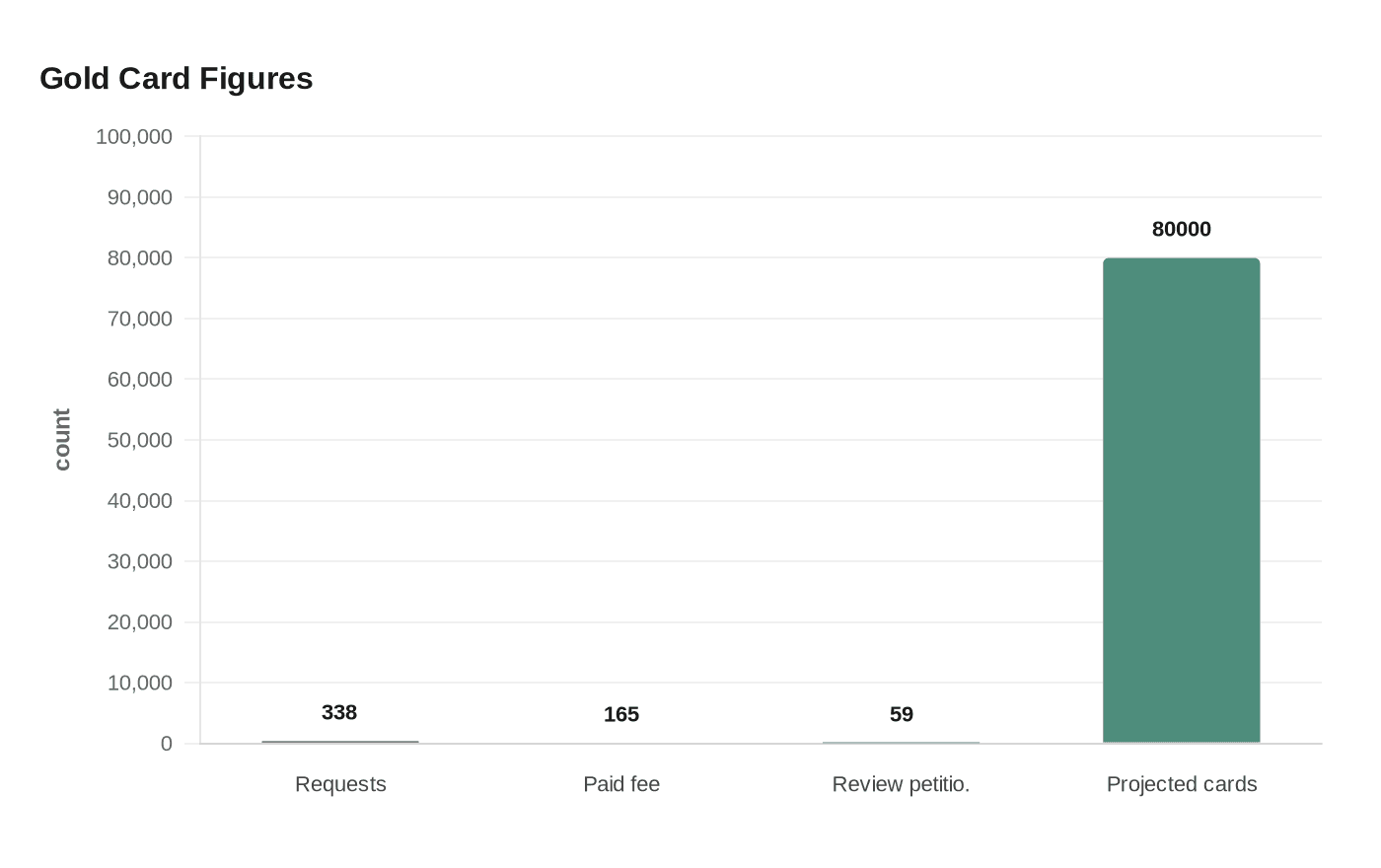
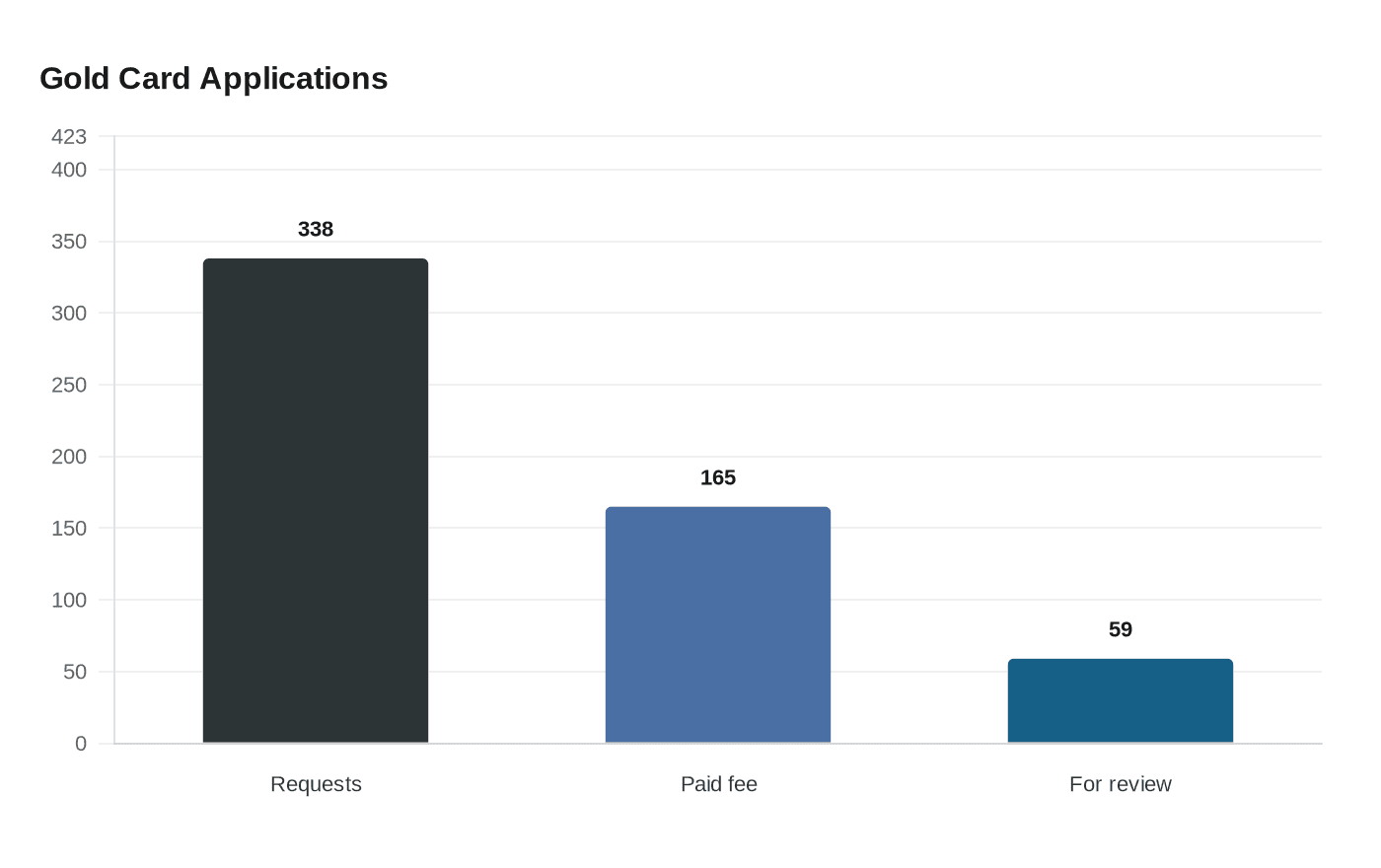
But the early numbers have undershot the administration’s public promises. In a court filing, the Department of Homeland Security said 338 people had submitted Gold Card requests, 165 had paid the $15,000 fee, and 59 petitions had been issued for review. That is a long way from the scale Howard Lutnick had projected, including his claim that the program could issue 80,000 Gold Cards and raise more than $100 billion.
The White House has argued that the gift amount can count as evidence of eligibility under existing immigration law, but critics say the program simply repackages wealth as a visa credential. That criticism has gained force because the Gold Card is being positioned as a replacement for the EB-5 investor visa, the longstanding route tied to investment and job creation. Lawyers opposing the plan say it could divert attention from existing EB-1 and EB-2 categories, where highly skilled applicants already compete for limited slots.
For wealthy foreign nationals, the risk is not only whether the program survives in court. Advisers are also weighing whether a card created by executive order could be unwound just as quickly, leaving applicants exposed after paying fees and making major financial commitments. Tax consequences remain unclear, adding another layer of caution for clients who typically expect stable legal footing before moving capital or changing residency plans.
The Gold Card now stands as more than a test of immigration policy. It is a test of whether the federal government can turn executive power into a de facto wealth-based residency program, and whether rich applicants will trust it enough to buy in before judges or Congress decide its fate. The fact that Selby and other gatekeepers are steering clients away suggests the program’s legitimacy problem is fast becoming a market problem too.
This article was produced by Prism’s automated news system from verified source data, official records, and press releases, then run through automated quality and moderation checks before publishing. The system is built and supervised by the people who set the standards it runs under. Read our full AI policy.
Know something we missed? Have a correction or additional information?
Submit a Tip