CMA finds no widespread fuel price gouging after oil cost spike
Pump prices jumped after the Middle East conflict, but the CMA said margins stayed broadly unchanged and found no sign of widespread gouging.
Drivers have been paying more at the forecourt, but the Competition and Markets Authority said the numbers do not support a broad case for fuel price gouging. In its latest road-fuel monitoring report, published on 1 May 2026, the regulator said retailer margins were “broadly unchanged” even after the Middle East conflict pushed up wholesale oil costs and sent pump prices higher.
The CMA’s central finding is that the squeeze felt by motorists has been driven mainly by higher input costs, especially oil, rather than a widespread widening of retail margins. Average fuel margins across the market were 10.3ppl in February and 10.7ppl in March, almost identical to the 2025 average of 10.7ppl. That does not mean every forecourt behaved the same way. The watchdog said it identified some individual retailers whose margins rose between February and March and will examine those cases further in its May report.
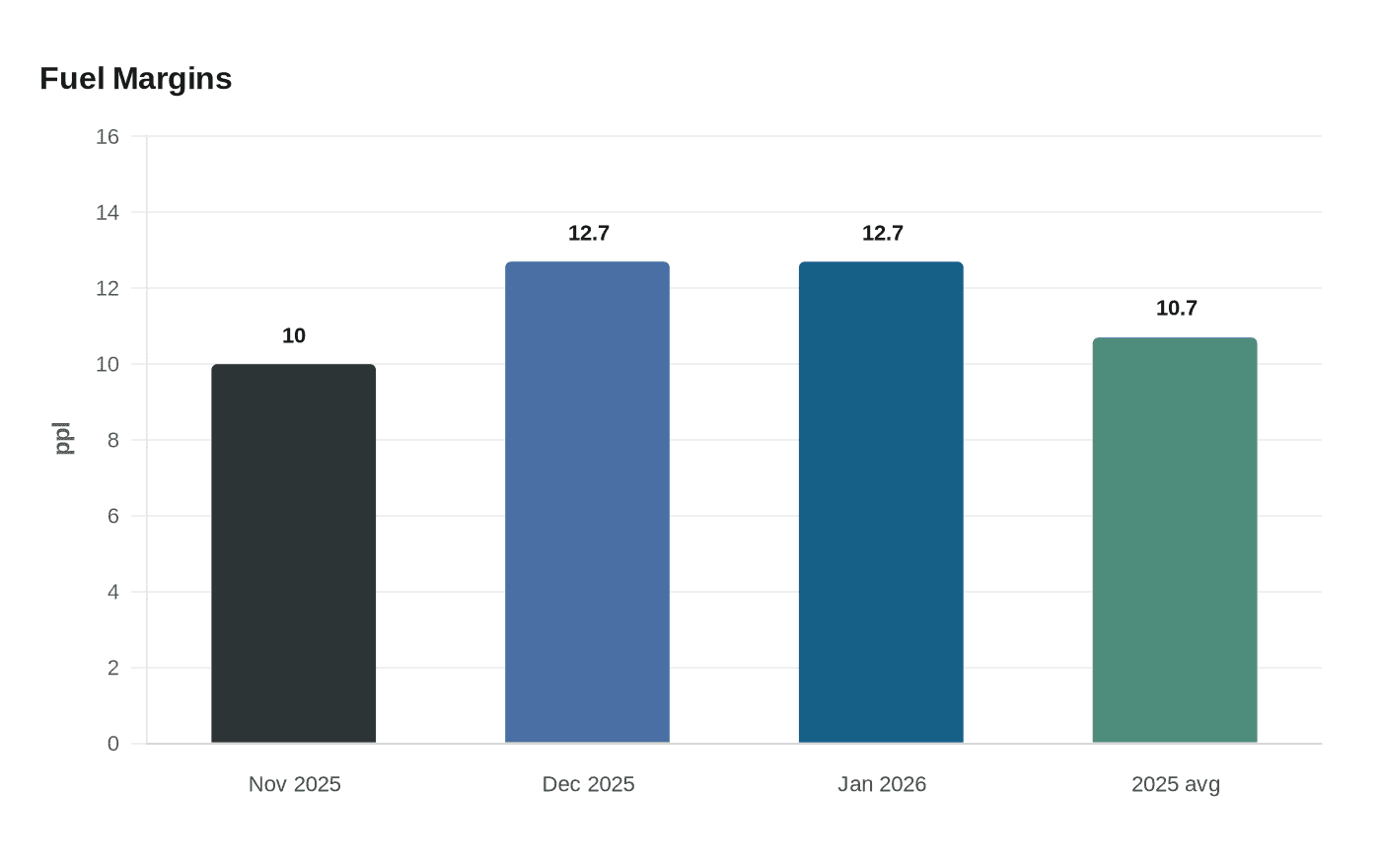
The broader backdrop still looks tight for drivers. The CMA said fuel margins had already been higher than normal in the winter, at 12.7ppl in December 2025 and January 2026, compared with 10.0ppl in November 2025. Even with the latest stabilisation, the regulator said margins remained at historically high levels. Petrol prices rose by 26ppl and diesel by 50ppl between February and 20 April 2026, reinforcing the sense among motorists that the market has stayed expensive even without evidence of a nationwide surge in retailer profits.
Local pricing differences remain a major part of the story. The CMA said variation between forecourts was still large enough that drivers could save as much as £9 on a tank by shopping around. That finding matters because it suggests the problem is not uniform national price fixing, but a market in which location, brand and local competition still shape what households pay at the pump.
The watchdog’s more cautious tone follows its move on 12 March 2026 to accelerate monitoring, bring forward formal data requests from firms responsible for thousands of fuel stations, and test whether so-called “rocket and feather” pricing was taking place. Sarah Cardell, the CMA chief executive, said the regulator was investigating why some margins had risen and would report further in May. Juliette Enser, the CMA’s Executive Director for Markets, has also pointed to the need for tighter scrutiny in a market where competitive pressure remains weak.
That concern has deep roots. The CMA’s 2023 road-fuel market study found competition in retail petrol and diesel had weakened since 2019 and led to recommendations for a Fuel Finder scheme and an ongoing monitoring function. The regulator has also said competition among fuel retailers is not as strong as it should be, leaving persistent concerns that when wholesale costs climb, motorists do not always benefit as quickly as they should when those costs fall.
This article was produced by Prism’s automated news system from verified source data, official records, and press releases, then run through automated quality and moderation checks before publishing. The system is built and supervised by the people who set the standards it runs under. Read our full AI policy.
Did this article answer your question?

