Fed Holds Rates Steady as Divisions Signal Fight Over Cuts
Four dissents in one Fed meeting, the most since 1992, exposed a sharper fight over cuts as inflation fears and White House pressure loom.
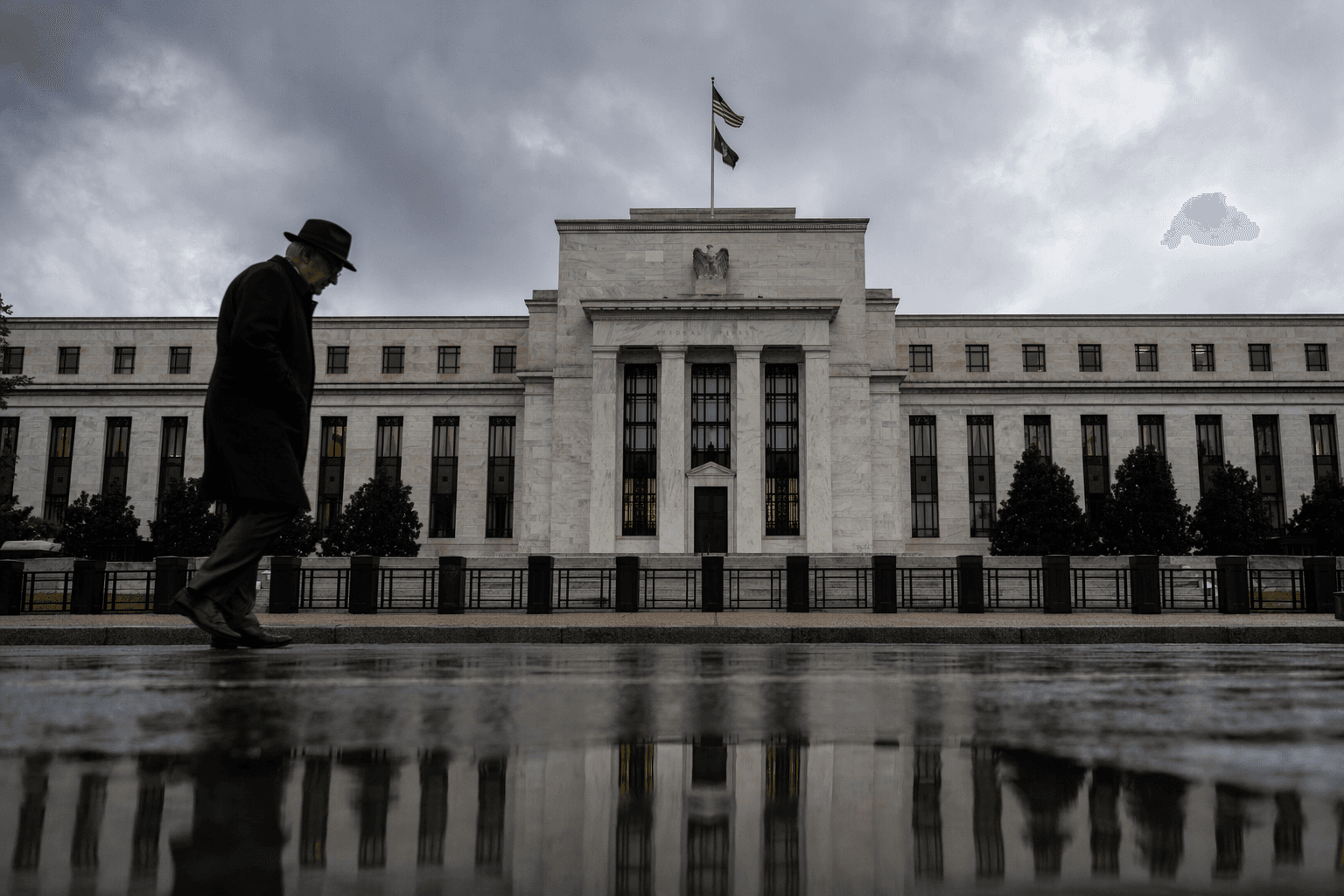
The Federal Reserve’s latest decision was supposed to be a pause. Instead, it became a stress test of the central bank’s independence, exposing a rare split over whether inflation or weakening growth should guide the next move on interest rates.
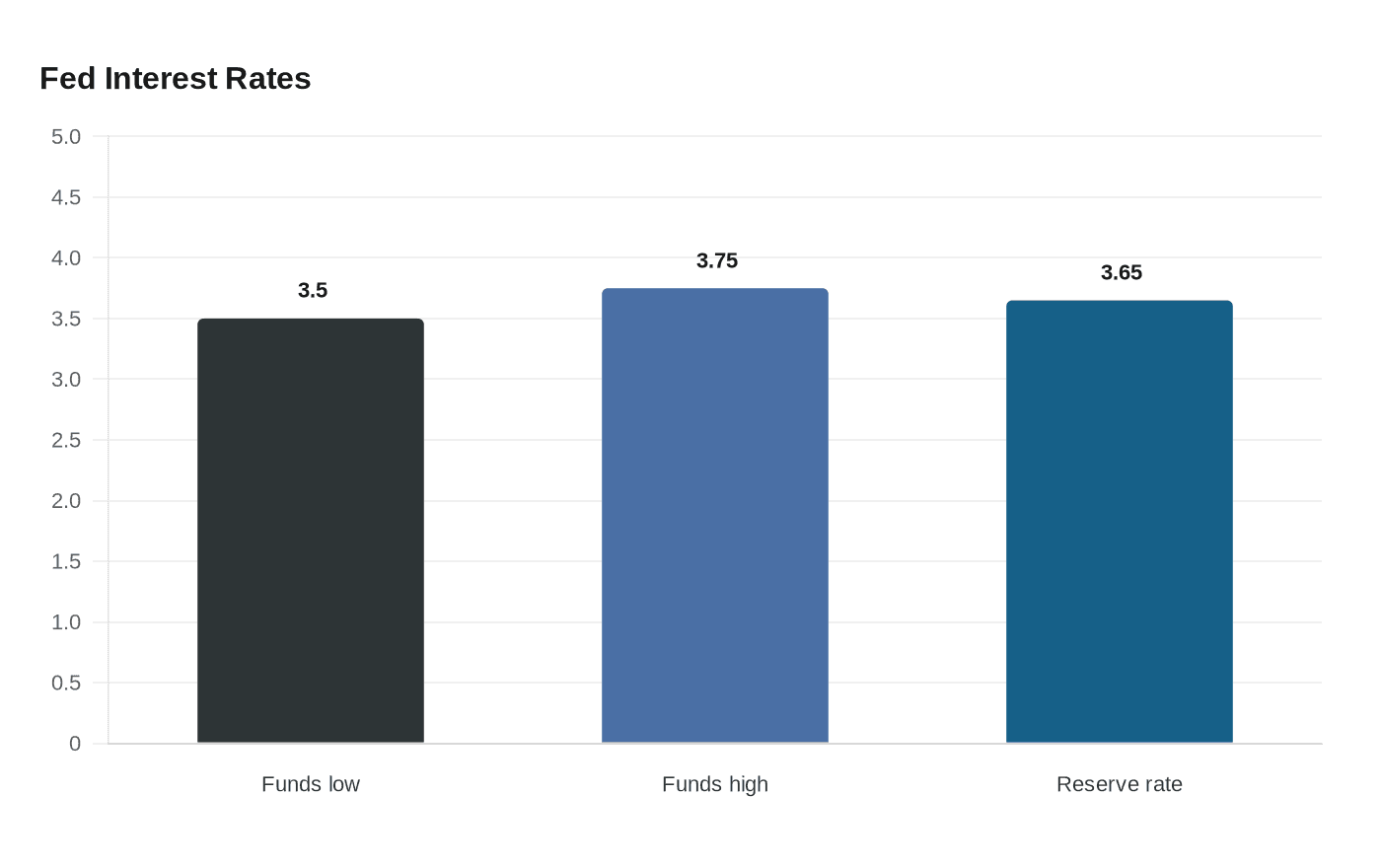
The Fed left its benchmark federal funds rate unchanged at 3.5 percent to 3.75 percent on April 29, but the vote produced four dissents, the most at a Federal Open Market Committee meeting since 1992. Stephen Miran wanted a 25-basis-point cut. Three others, Beth Hammack, Neel Kashkari and Lorie Logan, objected to the statement’s “easing bias,” arguing that inflation risks were still too high to signal a preference for lower rates.
That level of division matters because it suggests the debate inside the Fed is no longer just about timing. It is about credibility. Officials are wrestling with whether persistent inflation, including pressure from the war in Iran and higher gas prices, could flare again just as markets have begun to price in future cuts. A central bank that looks split on that question risks shaking confidence in borrowing costs, bond yields and the path for mortgages, corporate debt and other credit that follows the Fed’s benchmark.
The dissent also lands at a politically sensitive moment. Jerome Powell’s term as Fed chair is set to end on May 15, 2026, and Donald Trump’s choice to replace him, Kevin Warsh, would inherit a central bank already under pressure to move faster toward lower rates. Powell’s term as a Fed governor runs until January 31, 2028, and he said he intends to remain on the Board of Governors for a period after stepping down as chair.
The result was not a simple 4-3 split. The Fed’s rate decision itself went 11-1, while three other officials dissented from the statement language that still signaled an easing bias. The Board of Governors also voted unanimously to keep the interest rate paid on reserve balances at 3.65 percent, effective April 30.
For markets, the message is clear: lower rates are not guaranteed, and the fight over when to cut may be harder than investors expected. For the next Fed chair, the message is sharper still: any move seen as bowing too quickly to political demands could meet resistance from inside the institution itself.
This article was produced by Prism’s automated news system from verified source data, official records, and press releases, then run through automated quality and moderation checks before publishing. The system is built and supervised by the people who set the standards it runs under. Read our full AI policy.
Did this article answer your question?