College majors shift as computer science declines and AI rises
Students are leaving general computer science programs for AI-specific majors and short-format credentials, reshaping academic curricula and workforce pipelines.
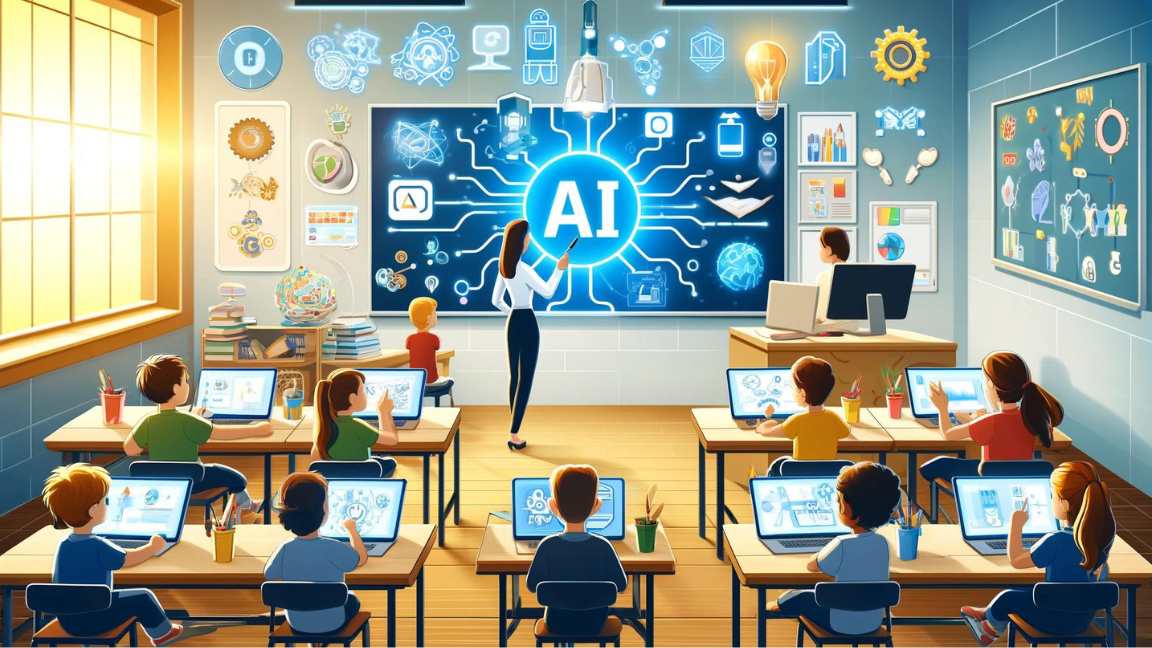
A quiet reordering of academic priorities is under way as students increasingly favor AI-specific majors, certificates and courses over broad computer science degrees. The shift is visible across campuses and course catalogs, where interest in machine learning, generative AI and applied AI tracks is rising even as enrollment in traditional, general-purpose computer science appears to soften.
Universities that once saw their department rosters swell with students pursuing foundational computing degrees are now building standalone AI programs and proliferating short-form credentials aimed at immediate industry needs. Departments are adding majors titled artificial intelligence, machine learning engineering and data-and-AI studies, while offering accelerated “AI practicum” courses and professional certificates that promise rapid entry into roles focused on model fine-tuning, prompt engineering and deployment. These offerings appeal to students who want direct pathways into high-growth career niches and to employers that seek specific AI skills rather than generalized computing backgrounds.
Several factors are driving the change. The explosive growth of generative AI applications and the high-profile hiring of graduates into product teams and startups have created strong signaling effects. Students perceive AI-specialized programs as more directly tied to lucrative and visible career outcomes, and industry demand for narrowly defined skills has encouraged universities to respond quickly. At the same time, some prospective students view traditional computer science curricula as heavy on mathematical theory and systems topics that seem less directly relevant to immediate AI work.
Academic leaders face competing pressures. On one hand, departments must meet student demand and employer expectations by offering focused, practice-oriented training. On the other hand, faculty warn that stripping away core computer science foundations risks producing graduates who lack the deeper theoretical understanding needed to design robust, safety-conscious AI systems. The concern is not merely academic: weaknesses in foundational training can lead to brittle models, poor generalization and greater vulnerability to biases or adversarial failure.

The shift also raises equity and labor-market questions. Shorter AI credentials and bootcamp-style programs can lower barriers to entry for some learners, but credential proliferation risks fragmenting quality assurance and amplifying credential inflation. Employers may come to expect AI certificates as de facto prerequisites, disadvantaging students from institutions that emphasize broader education or lack resources to create new majors.
Accreditation bodies and university governance structures will need to adapt. Curricular redesigns that integrate ethics, data governance and systems thinking with hands-on AI practice could help preserve rigorous training while meeting market demand. Some departments are experimenting with hybrid models that pair an AI specialization with mandatory core courses in algorithms, systems and statistics to maintain a durable technical foundation.
The coming years will test whether higher education can balance responsiveness with responsibility. If universities simply chase short-term demand, they may help feed a workforce ready to ship capabilities but ill-equipped to steward them safely. If they strike the right balance, institutions could produce graduates who not only build the next wave of AI products but also anticipate and mitigate the social and technical harms those products can create.
Know something we missed? Have a correction or additional information?
Submit a Tip