Colombia’s bird paradise draws birders as conflict scars fade
Decades of conflict left Colombia’s bird habitat intact, and now almost 2,000 species are drawing birders, money and new pressure on rural land.
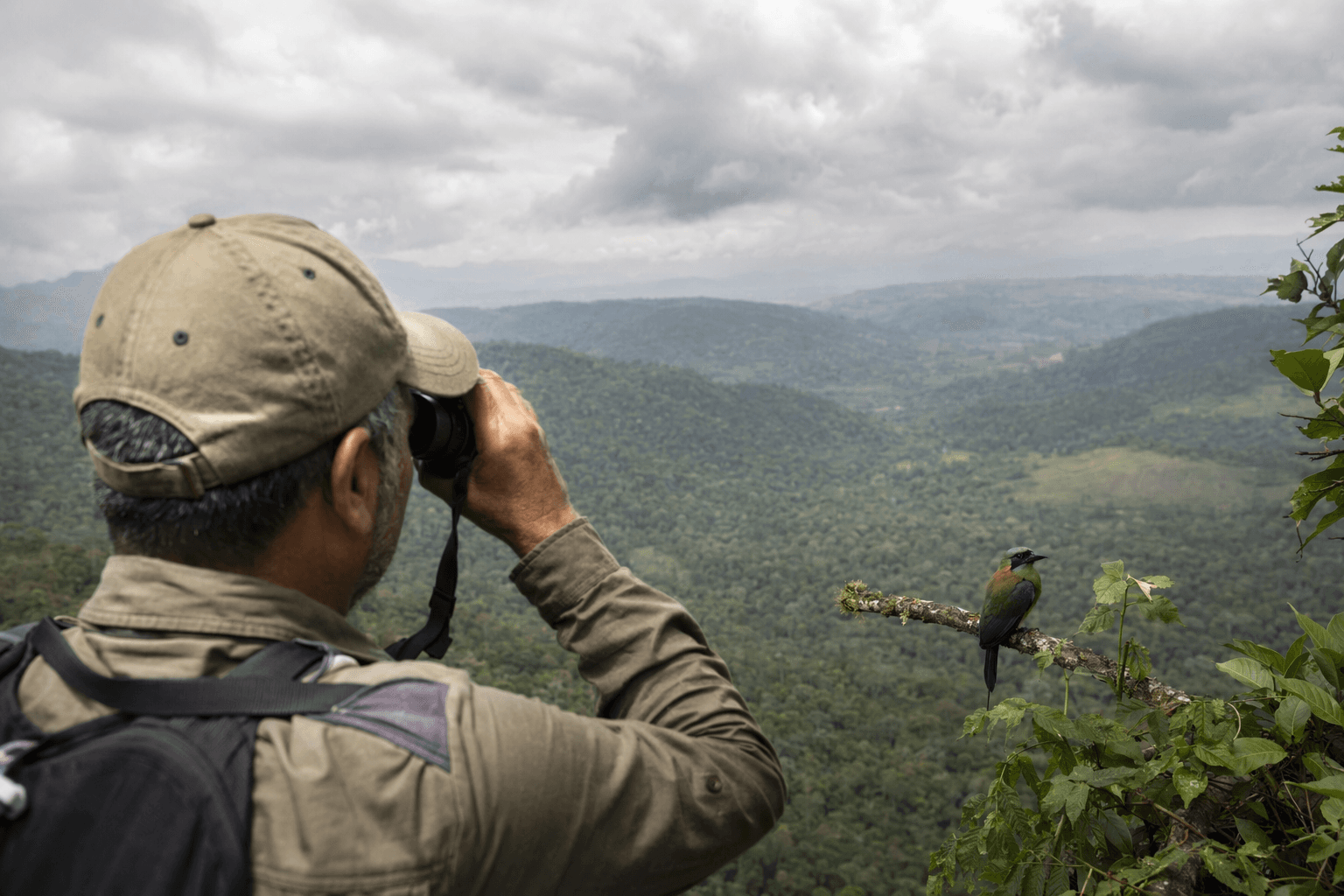
Colombia’s birds are becoming a test of whether peace can pay. In a country long scarred by violence, areas that were too dangerous for people also remained undisturbed enough to protect habitat, and that is now turning Colombia into a magnet for birders as tourism and development move in.
CBS News said the segment “Birds of War” will air Sunday on 60 Minutes and will focus on Colombia, where about 2,000 bird species have been recorded, more than anywhere else on Earth. Anderson Cooper, who has contributed to 60 Minutes since 2006, will report the story.
The numbers help explain the scale of the opportunity, and the risk. Audubon describes Colombia as one of the world’s megadiverse countries, with almost 10 percent of the planet’s biodiversity. It says the country holds nearly 2,000 bird species, including more than 200 migratory species and about 80 endemic species found nowhere else. Audubon’s Colombia conservation strategy gives a more exact count of approximately 1,940 species and about 275 migratory birds, a reminder that the country sits on an avian corridor that reaches across the Americas.
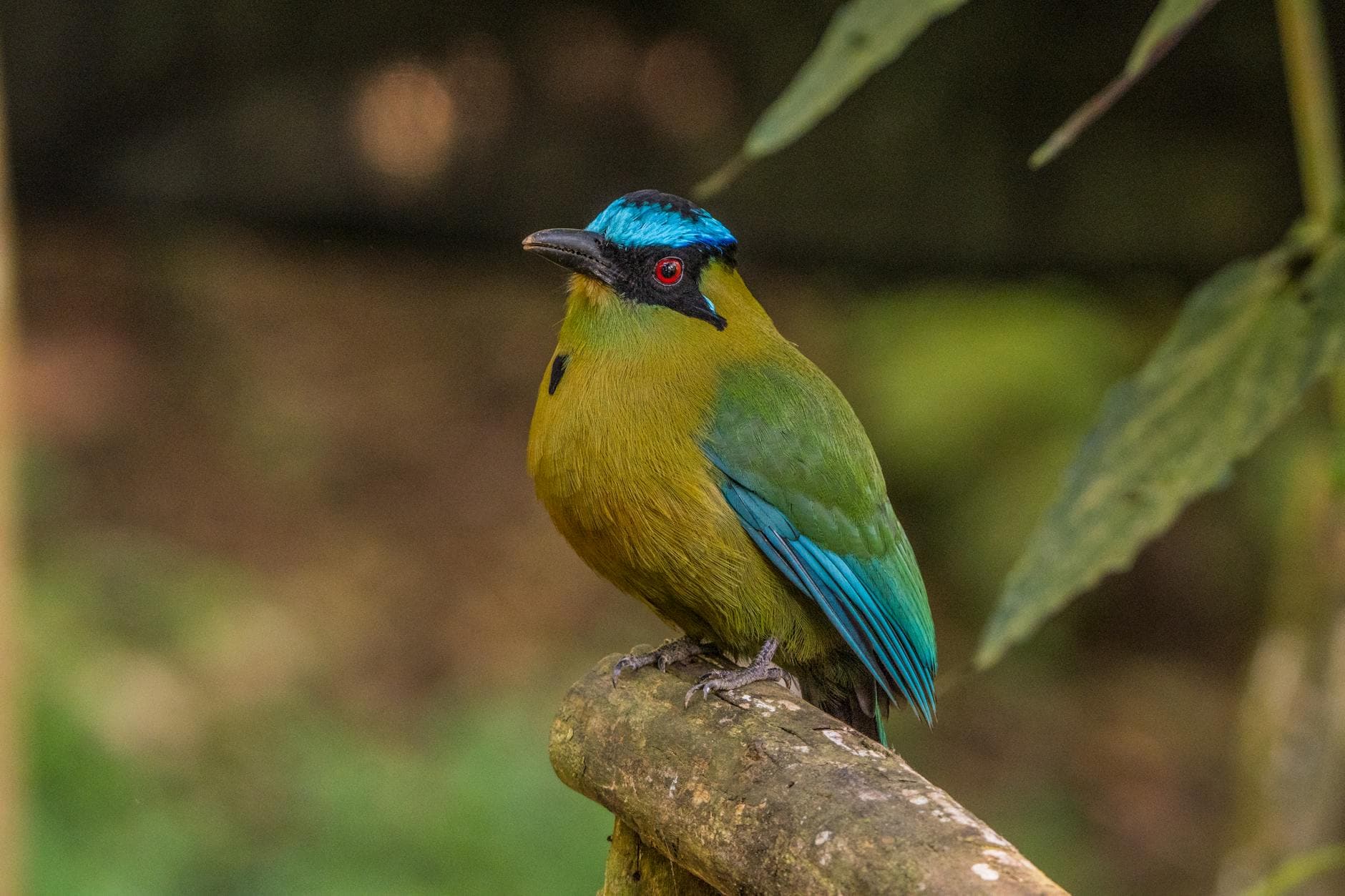
That diversity has made Colombia a centerpiece of birding and ecotourism campaigns. Audubon says bird conservation there is increasingly being tied to community-led sightings and ecotourism, a model that could give rural communities income without depending on the extractive industries that have often followed conflict. The central policy question is whether that promise can hold as roads, lodges and tour operators arrive in places where armed groups once kept outsiders away.
Colombia’s bird wealth is not simply a tourism asset. It is a land-use issue, a conservation challenge and an economic choice. If the new birding economy stays rooted in local communities and habitat protection, it could help rural Colombia turn a legacy of exclusion into long-term livelihood. If it is not managed carefully, the same landscapes preserved by conflict could face a different kind of pressure, this time from peace itself.
This article was produced by Prism’s automated news system from verified source data, official records, and press releases, then run through automated quality and moderation checks before publishing. The system is built and supervised by the people who set the standards it runs under. Read our full AI policy.
Did this article answer your question?


