Cuba marks May Day near US Embassy, denounces sanctions and pressure
Havana moved May Day to an anti-U.S. stage beside the embassy, where Raúl Castro and Miguel Díaz-Canel denounced sanctions amid deep crisis.
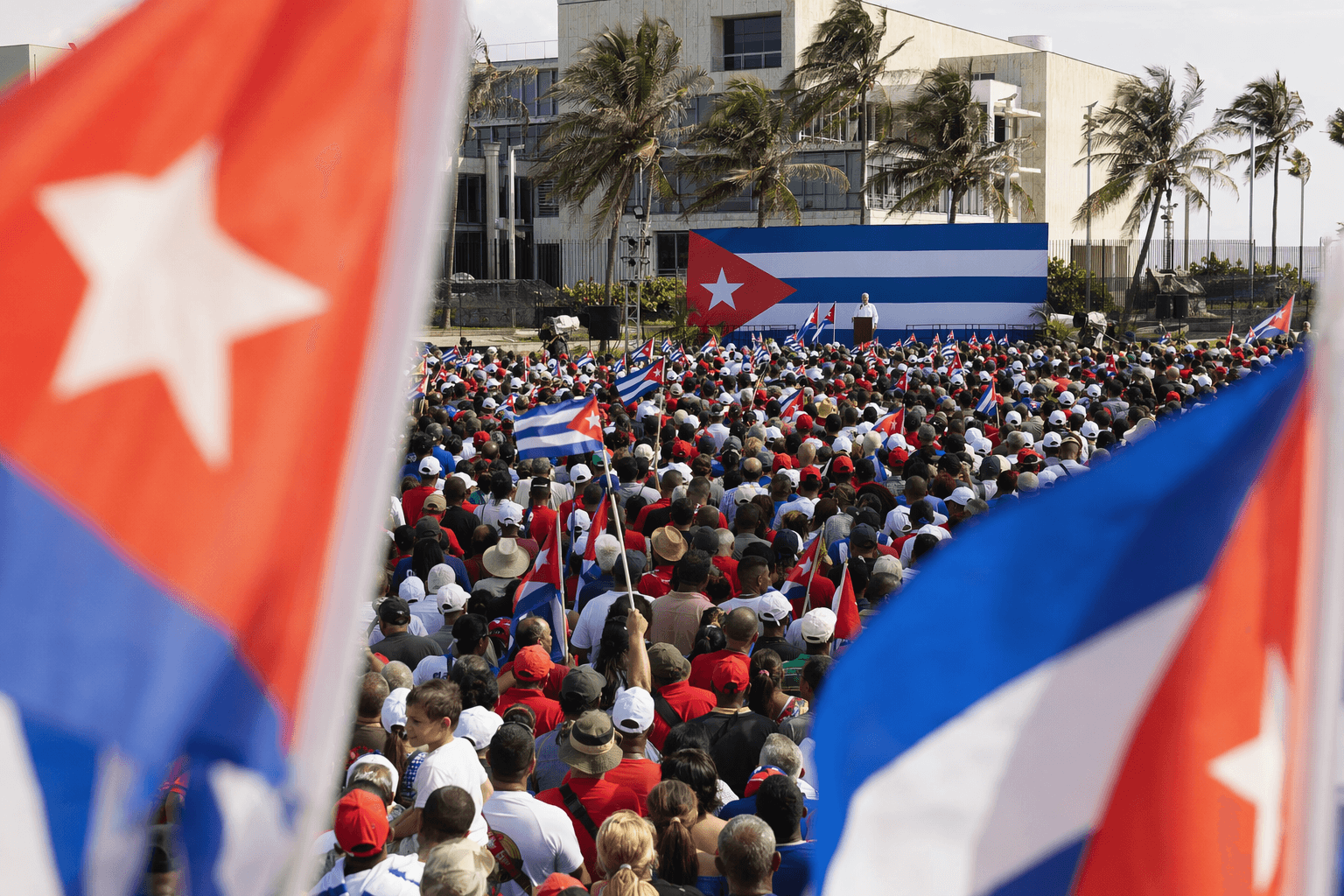
Havana turned International Workers’ Day into a blunt political message on Friday, shifting its main May Day march to the José Martí Anti-Imperialist Tribune, a waterfront stage directly opposite the U.S. Embassy. Thousands marched along the Malecón as Raúl Castro, 94, and President Miguel Díaz-Canel joined the crowd in a display meant to signal defiance while relations with Washington reached near-unprecedented tension.
The setting was the story. By moving the celebration away from Revolution Square and to the anti-imperialist site facing the embassy, the Cuban government placed its annual labor rally at the center of its confrontation with the United States. Signs carried slogans including “No to war, yes to dialogue,” while organizers framed the day as a protest against sanctions and blockades they say are worsening Cuba’s economic crisis.
That message carried added force because the island remains under severe strain. The march came after the U.S. administration announced new sanctions targeting Cuban security services and their supporters, part of a broader pressure campaign that Havana presents as an effort to force regime change. In that context, May Day served not only as a labor holiday but as a state-managed demonstration of political endurance, with the government using one of its most symbolic dates to turn hardship into a public act of resistance.
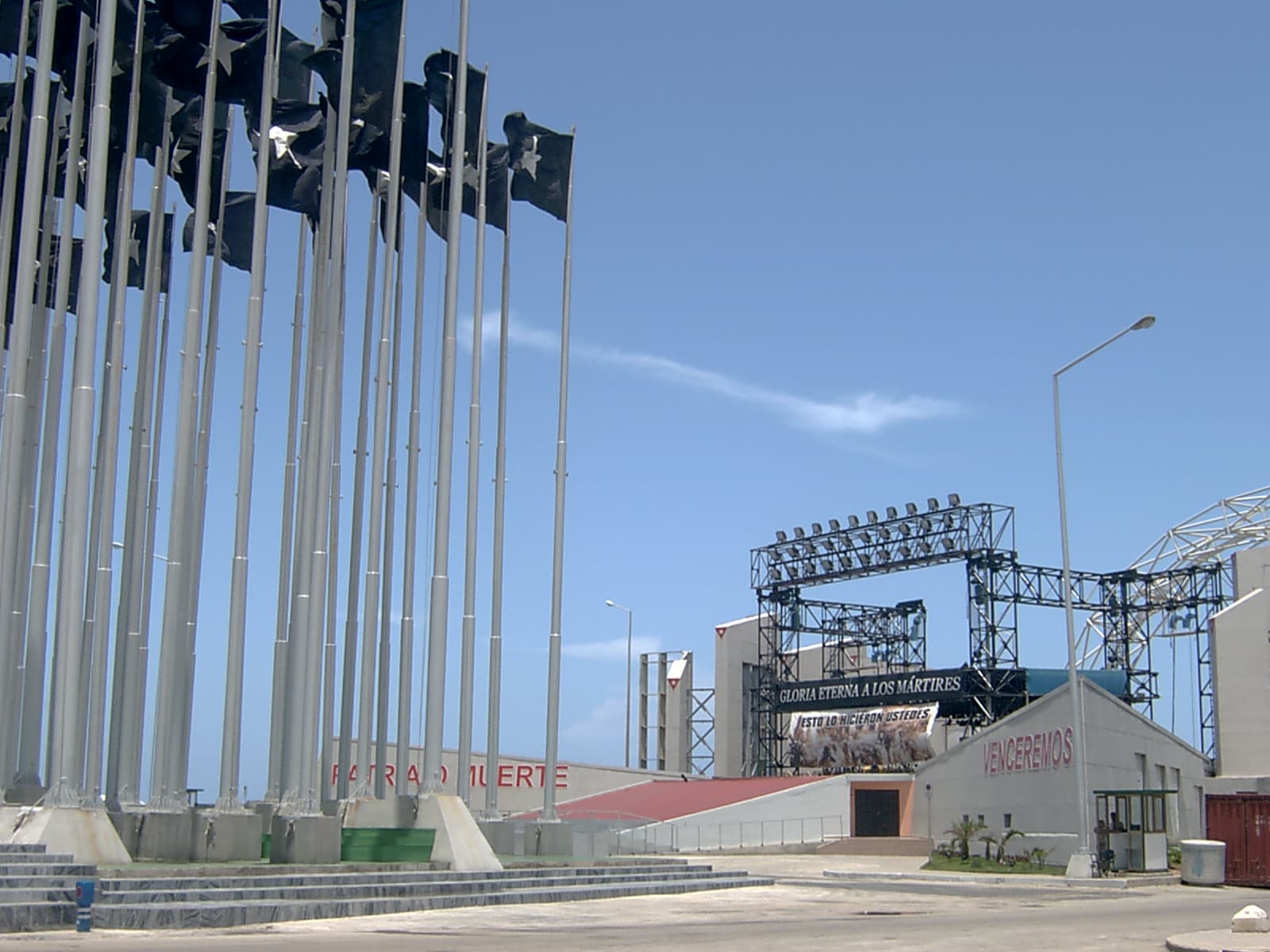
The annual event also underscored how Cuba has long used May Day to project unity at home and hostility toward Washington abroad. In previous years, hundreds of thousands gathered in Revolution Square even as economic conditions worsened and diplomatic ties frayed. This year’s shift to the embassy-facing tribune gave the spectacle a sharper edge, placing the dispute over sanctions and sovereignty in full view of the U.S. mission across the street.
For the Cuban government, the march offered a chance to present solidarity and control. For many Cubans living through shortages and crisis, the scene also highlighted the gap between official defiance and daily reality, as the state leaned on anti-U.S. rhetoric to steady a system under growing pressure.
This article was produced by Prism’s automated news system from verified source data, official records, and press releases, then run through automated quality and moderation checks before publishing. The system is built and supervised by the people who set the standards it runs under. Read our full AI policy.
Did this article answer your question?