Pentagon to Pull 5,000 U.S. Troops from Germany in 6 to 12 Months
Pentagon will remove 5,000 troops from Germany over 6 to 12 months, renewing questions about U.S. commitments to NATO’s main logistics hub in Europe.
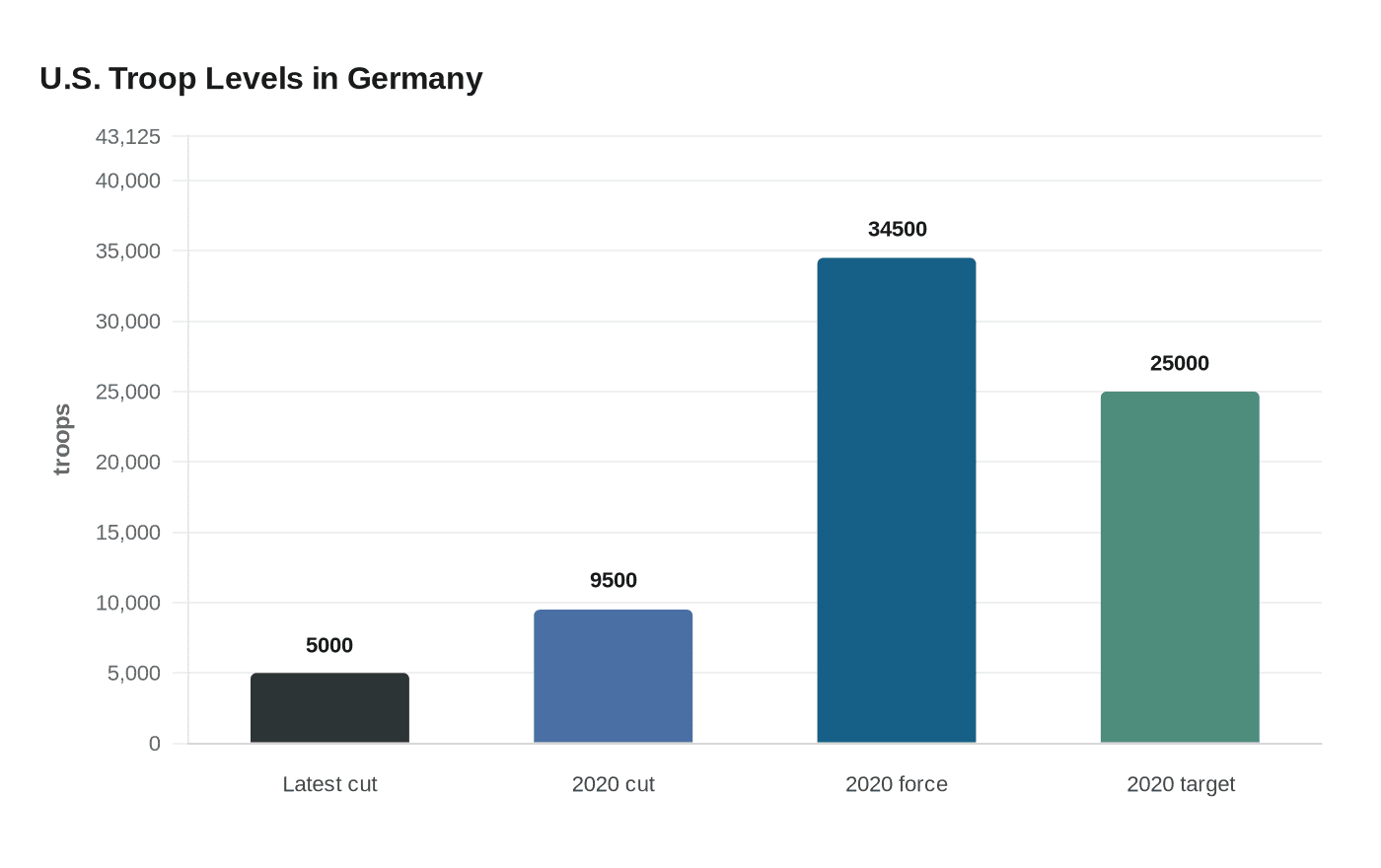
The Pentagon said it will withdraw about 5,000 U.S. troops from Germany over the next 6 to 12 months, a move that trims but does not end Washington’s largest military footprint in Europe. The cut hits a country that has long served as the backbone of U.S. operations on the continent, a logistics hub for NATO planning, transatlantic force movement and rapid response.
The reduction is significant because it reaches beyond the head count itself. U.S. forces in Germany help anchor deterrence against Russia, support NATO’s command structure and sustain the infrastructure that moves personnel and equipment through places like Ramstein Air Base and Spangdahlem Air Base. Those bases also ripple through local economies, where German communities have long worried that troop cuts would mean fewer jobs, less spending and a smaller American presence.
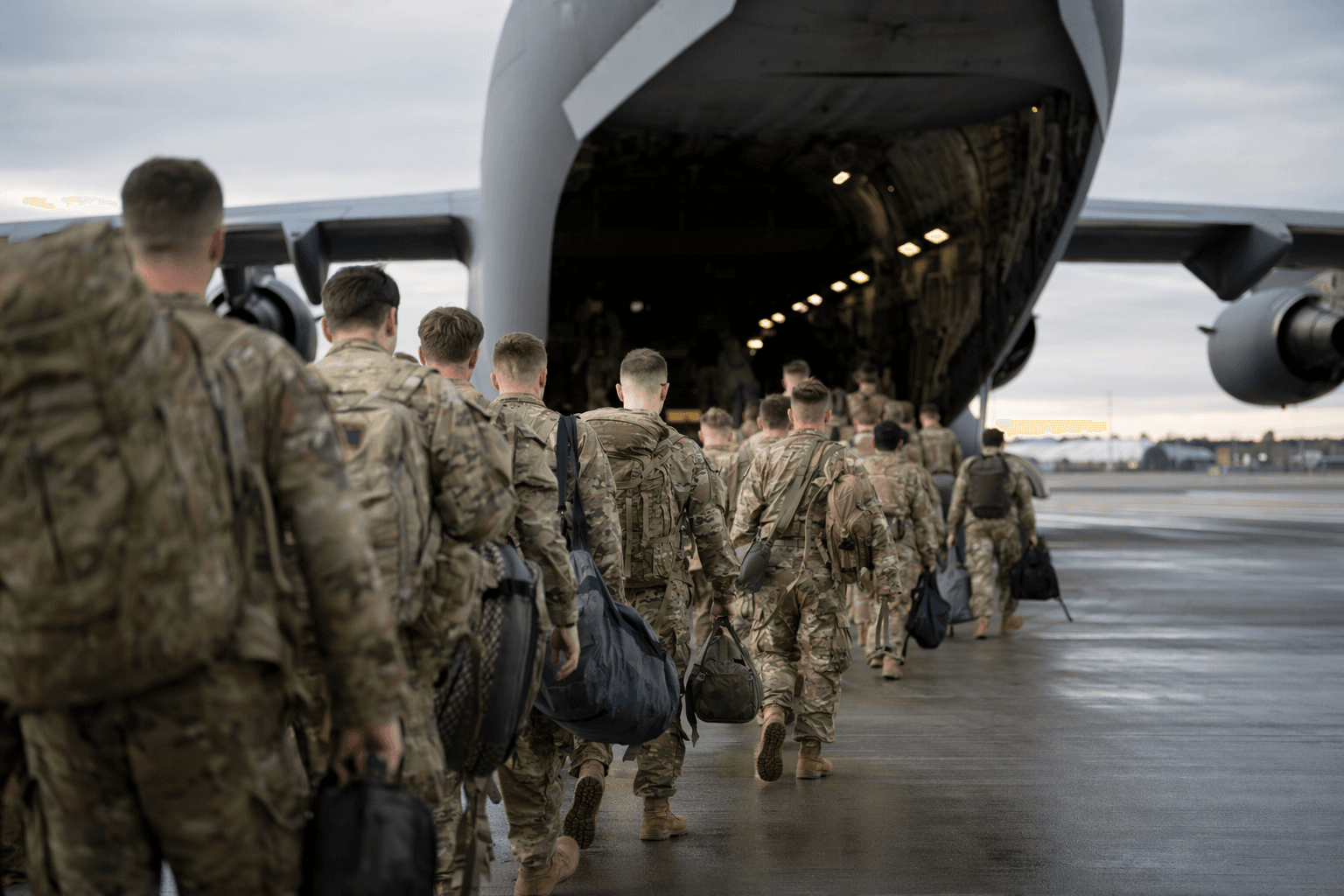
The new drawdown is smaller than the broader plan approved in June 2020, when the Trump administration ordered nearly 9,500 troops out of Germany and aimed to bring the U.S. presence down from about 34,500 to 25,000. That earlier move drew immediate concern in Berlin and across the alliance. German Foreign Minister Heiko Maas said Berlin would simply “take note” of the plan, while then-Defense Minister Annegret Kramp-Karrenbauer called it a cause for concern for NATO.
NATO leaders also tried to manage the fallout. Jens Stoltenberg said the United States would consult allies on future troop plans, underscoring how sensitive any change in Germany is to the wider alliance. Former U.S. commanders in Europe warned at the time that a drawdown could weaken U.S. military capability and hand the Kremlin a political win. Ben Hodges called it a “gift to the Kremlin.”
The latest cut looks more like a tactical reshuffle than a wholesale retreat, especially because the U.S. still relies on Germany as a central platform for European defense. But the political signal matters. NATO said in 2024 that 18 allies were spending at least 2% of GDP on defense, and that European allies’ combined spending had risen from 1.47% in 2014 to 2% in 2024. Against that backdrop, even a partial U.S. pullback from Germany will be read in Berlin as another test of how firmly Washington intends to stay engaged in Europe.
Know something we missed? Have a correction or additional information?
Submit a Tip