Commonwealth Fusion Systems seeks grid access for Virginia fusion plant
Commonwealth Fusion Systems filed to join PJM, a key step toward linking its planned Virginia fusion plant to the U.S. grid.
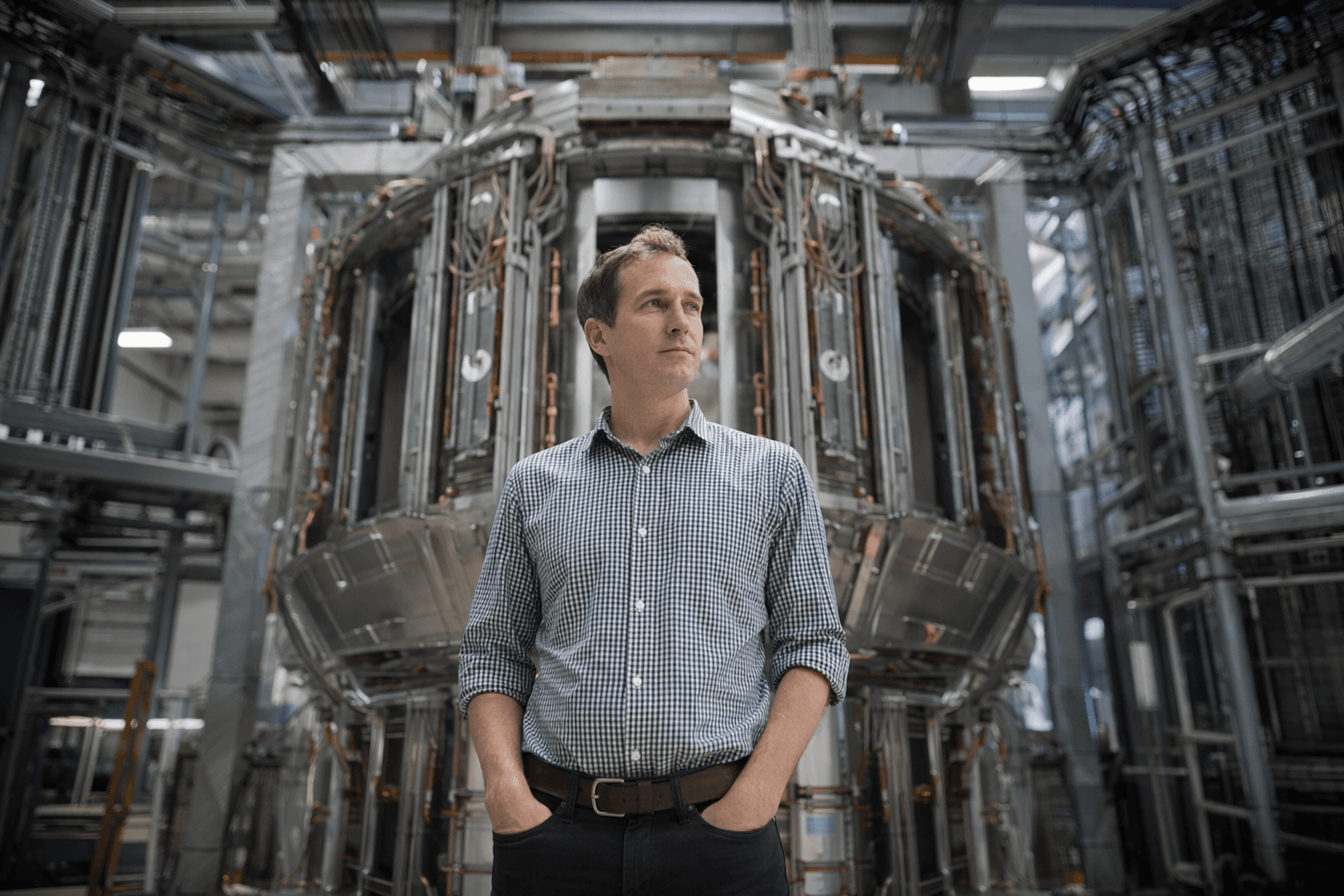
Commonwealth Fusion Systems has taken a regulatory step that fusion companies have long needed but rarely reached: it applied to join PJM Interconnection, the largest grid operator in the United States, to connect its planned 400-megawatt plant in Chesterfield County, Virginia. The filing moves the company’s ARC project from scientific ambition toward the harder work of grid access, permitting and construction.
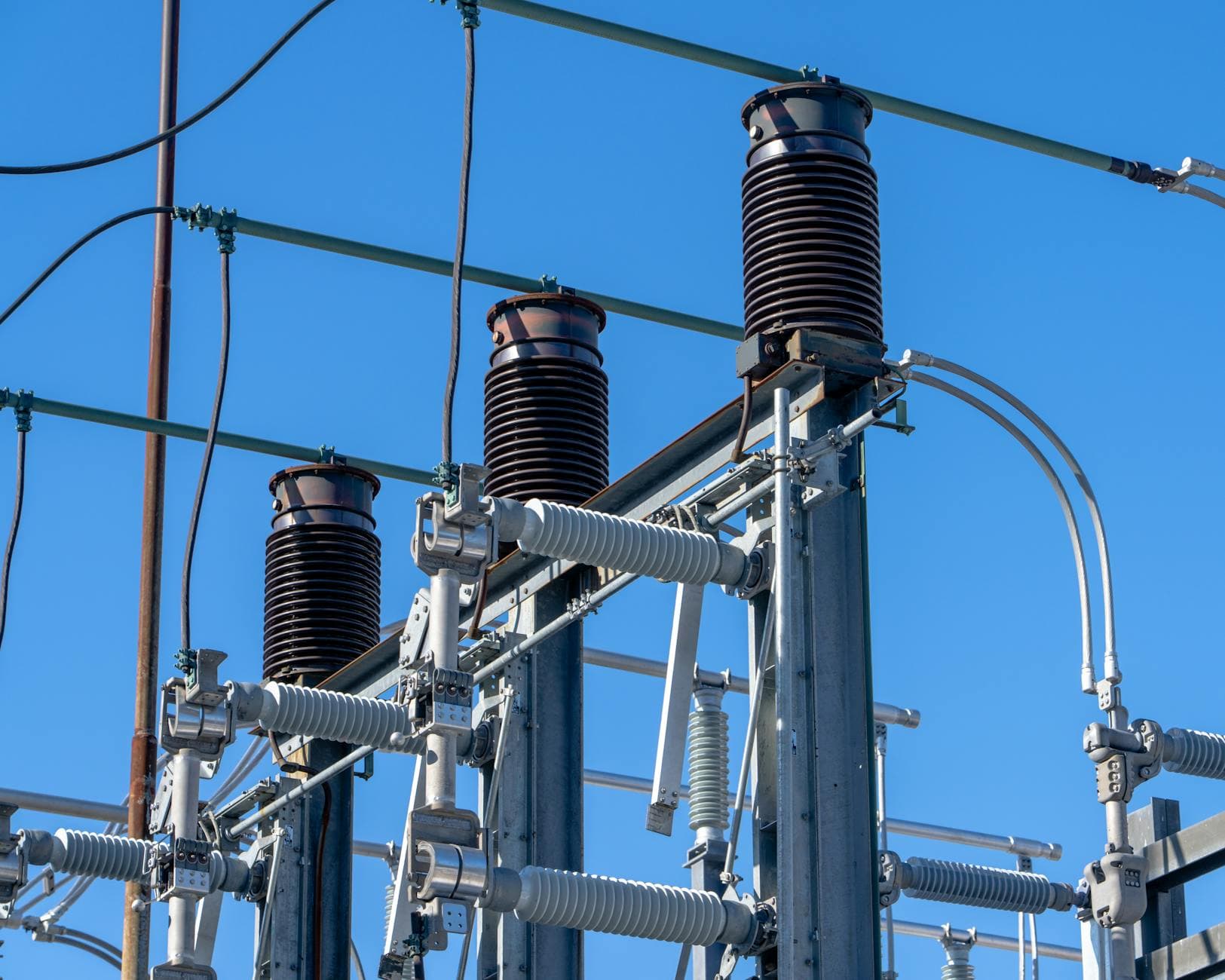
The application matters because PJM runs the network that serves more than 65 million customers across 13 states and the District of Columbia. Commonwealth said the approval process could take four to six years, underscoring how much work still stands between a fusion startup and a commercial power plant. Bob Mumgaard, the company’s chief executive, called the grid application “another piece of the puzzle,” saying the goal was to have everything in place for the plant to operate in the early 2030s.
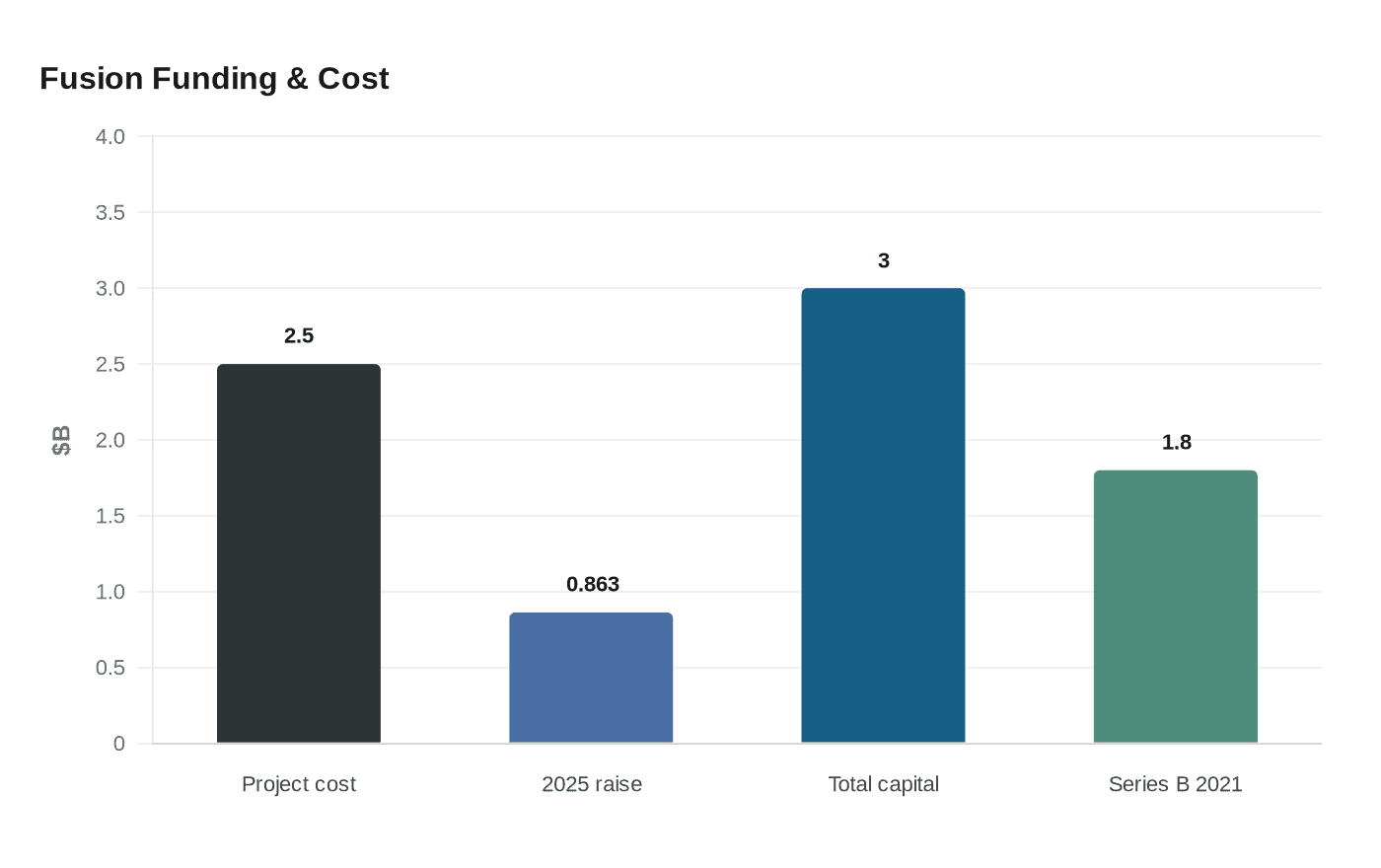
Commonwealth first announced ARC in December 2024, planning to build it at the James River Industrial Center near Richmond with Dominion Energy Virginia providing non-financial collaboration, including development and technical expertise plus leasing rights for the site. The company says ARC could generate enough electricity to power large industrial sites or about 150,000 homes. Chesterfield County later unanimously approved a conditional-use permit for the project, and local reporting put the price tag at more than $2.5 billion.
The commercial case around ARC has also strengthened. Google signed a power purchase agreement for 200 megawatts of output from the plant in June 2025 and increased its investment stake in Commonwealth at the same time, giving the project a major corporate backer before any fusion electrons reach the grid. In August 2025, Commonwealth said it had raised an additional $863 million, bringing total capital raised since its founding in 2018 to more than $3 billion. It said that was the largest round raised by a deep-tech or energy company since its $1.8 billion Series B in 2021.
Even so, the timetable remains daunting. Commonwealth has said its SPARC demonstration machine in Massachusetts is expected to produce first plasma in 2026 and net fusion energy shortly after, before ARC is built. PJM, meanwhile, has been under pressure to accommodate new large loads such as data centers and other electricity-hungry users while preserving reliability and affordability, and it set an April 27 deadline for the first cycle of its reformed interconnection process. Against that backdrop, Commonwealth’s filing is a meaningful milestone, but not a guarantee that fusion power will arrive on schedule or at a competitive cost.
This article was produced by Prism’s automated news system from verified source data, official records, and press releases, then run through automated quality and moderation checks before publishing. The system is built and supervised by the people who set the standards it runs under. Read our full AI policy.
Did this article answer your question?