Delhi braces for days of extreme heat as temperatures hit 45C
Delhi’s heat climbed to 45C, emptying streets, straining power grids and leaving some neighborhoods short of water as an orange alert stayed in place.
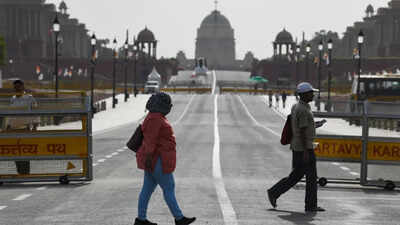
Standing in Delhi’s streets became punishing as temperatures climbed to 45C, with afternoon roads and markets thinning out across north India and the city’s orange alert underscoring how dangerous the heat had become.
The India Meteorological Department recorded a maximum of 43.3C at Safdarjung on 22 May and said heatwave conditions were very likely for the next six days. Its extended-range outlook, dated 21 May, warned that heatwave to severe heatwave conditions were very likely in many or some pockets over Haryana, Chandigarh and Delhi from 21 to 27 May, while the national forecast pointed to heatwave to severe heatwave conditions across central and northwest India through the week of 22 to 28 May.
The heatwave quickly became a test of basic urban systems. Reuters reported that India’s peak power demand rose to an all-time high above 270 gigawatts as cooling needs surged, and Delhi’s own peak power demand reached a record high this month. In some parts of the city, residents also faced water shortages, adding a second layer of stress for households already trying to get through the day in extreme heat.
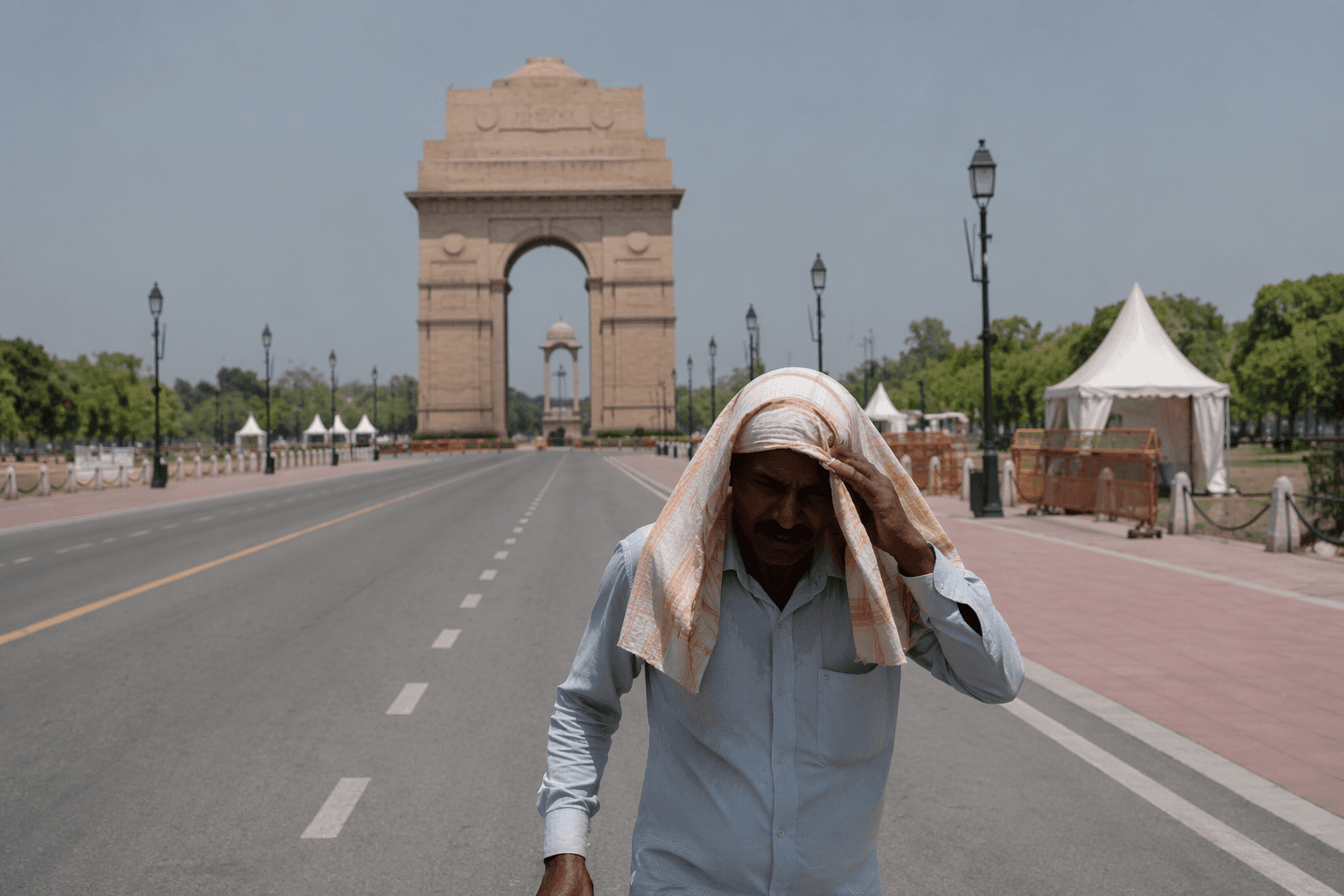
For people outside air-conditioned spaces, the effect was visible in the emptying streets. Associated Press reporting said roads and markets in north India were deserted during the afternoon as temperatures intensified, with Delhi’s heat hovering between 43.6C and 45C. Sumedha Pal described how difficult it was to stand in Delhi’s streets as the mercury rose, a reminder that the burden of extreme heat falls first on outdoor workers, commuters and anyone without a reliable place to cool down.
The spell also offered little relief after sunset. Local reporting said Delhi recorded its warmest May night in 14 years, leaving little overnight recovery time for residents, workers and the city’s strained utilities. With the orange alert extended through late May, the heatwave has become more than a weather event: it is a governance test for a megacity where access to electricity, water and shade now determines who can endure the day.
Know something we missed? Have a correction or additional information?
Submit a Tip