U.S., Iran draft deal would reopen Hormuz, halt nuclear weapon pursuit
A draft deal would reopen the Strait of Hormuz and bar Iran from seeking nuclear weapons, but key gaps over sanctions and enforcement remained.

The real credibility test was not the White House’s upbeat tone, but the terms reportedly on the table: reopening the Strait of Hormuz, a pledge that Iran would never build a nuclear weapon, and limits meant to keep the conflict from spreading further. Those are the conditions that would matter to Americans if they ever translated into steadier oil prices, lower risk of regional war, and a durable mechanism to enforce the deal.
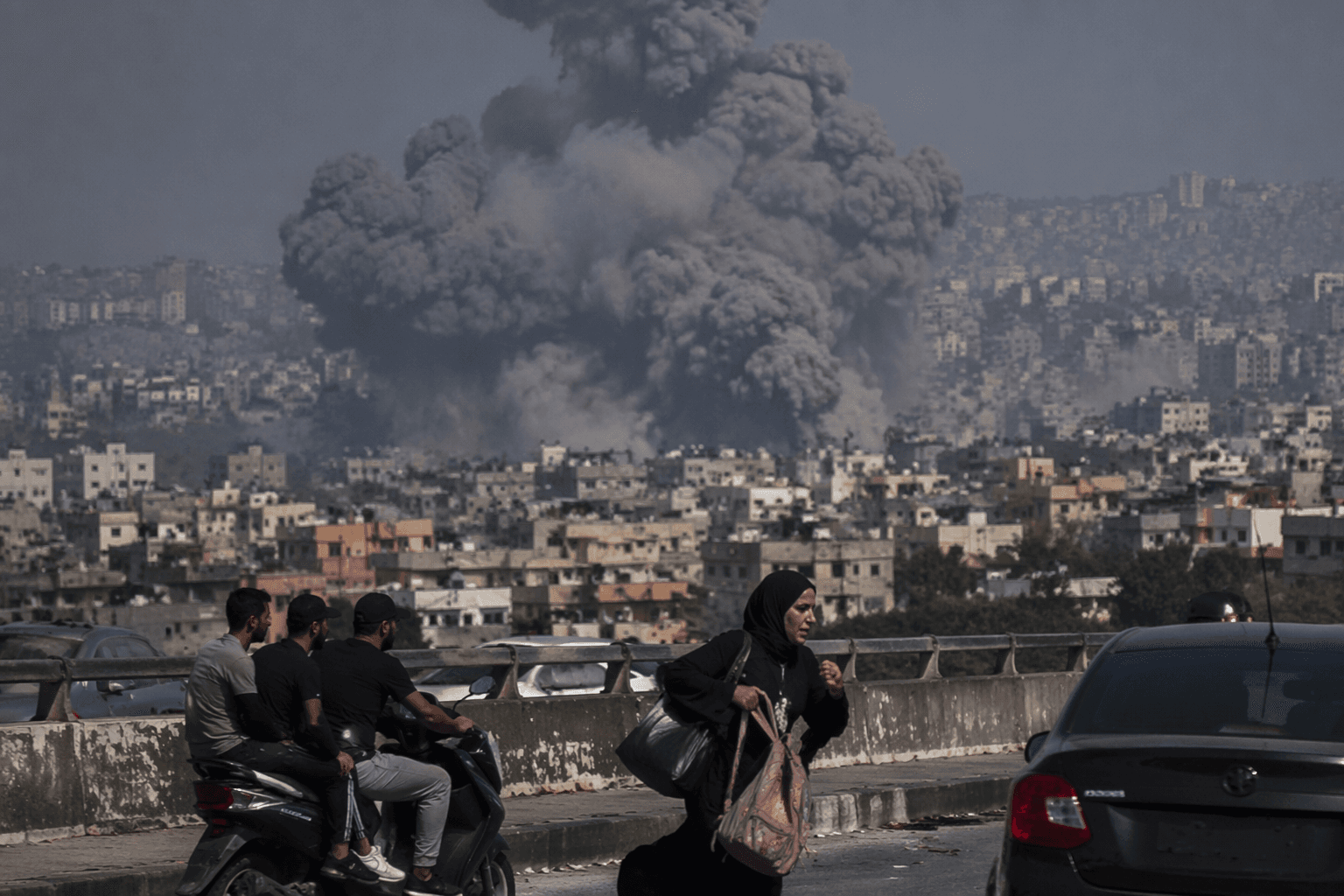
A draft proposal under discussion would also extend a ceasefire for 60 days, require Iran to end military operations on every front, including Lebanon, and force Tehran to dispose of its enriched uranium stockpile. The package ties diplomacy to two pressures at once, halting the fighting while trying to close off the path to a bomb.
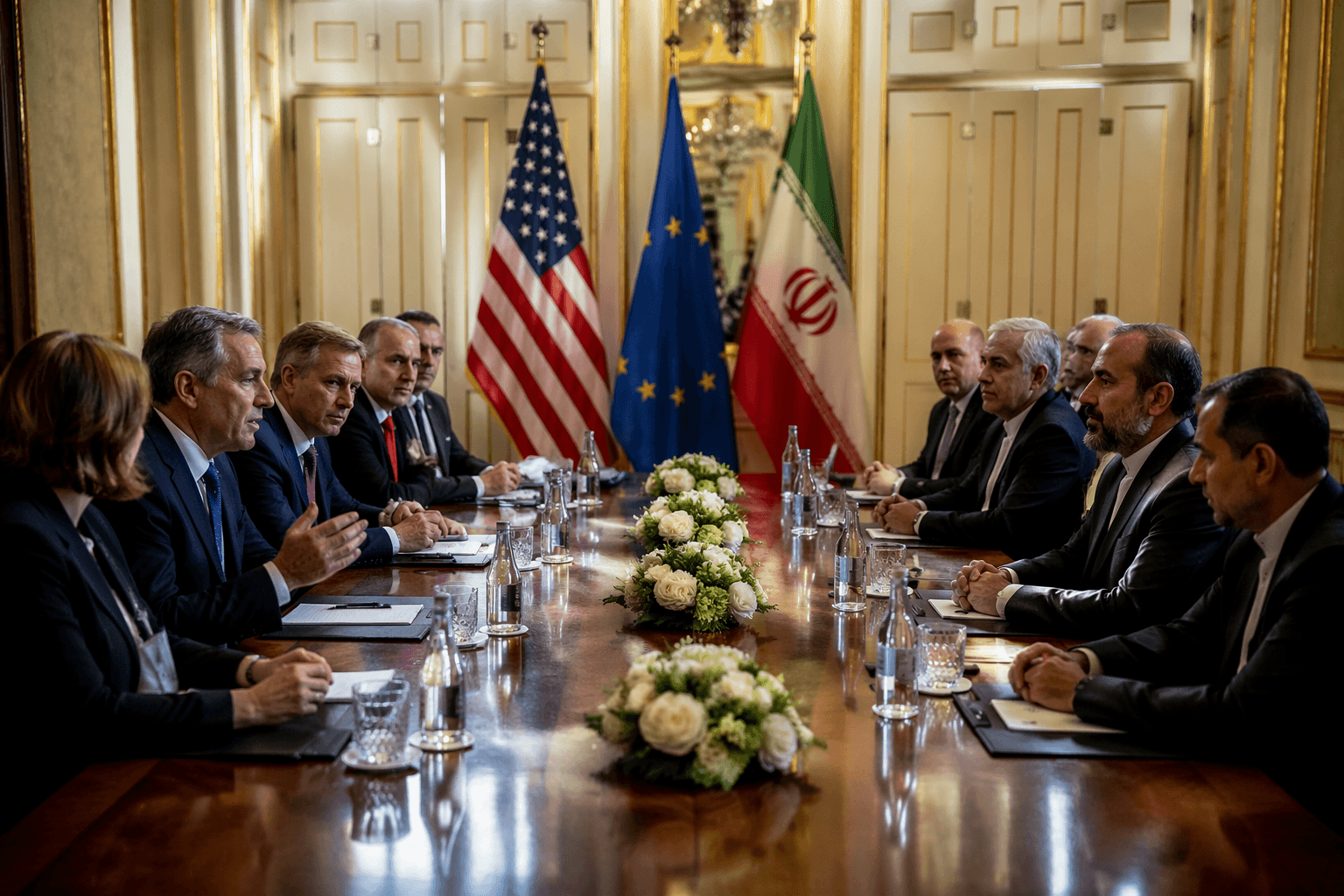
Donald Trump said on May 23 that a deal with Iran was “largely negotiated” and would be announced shortly. By May 25, he was still projecting confidence, saying negotiations were “proceeding nicely” and warning against rushing into a bad agreement. But U.S. officials said unresolved questions remained over nuclear language, sanctions and the Strait of Hormuz itself, signaling that the hardest issues had not been settled.
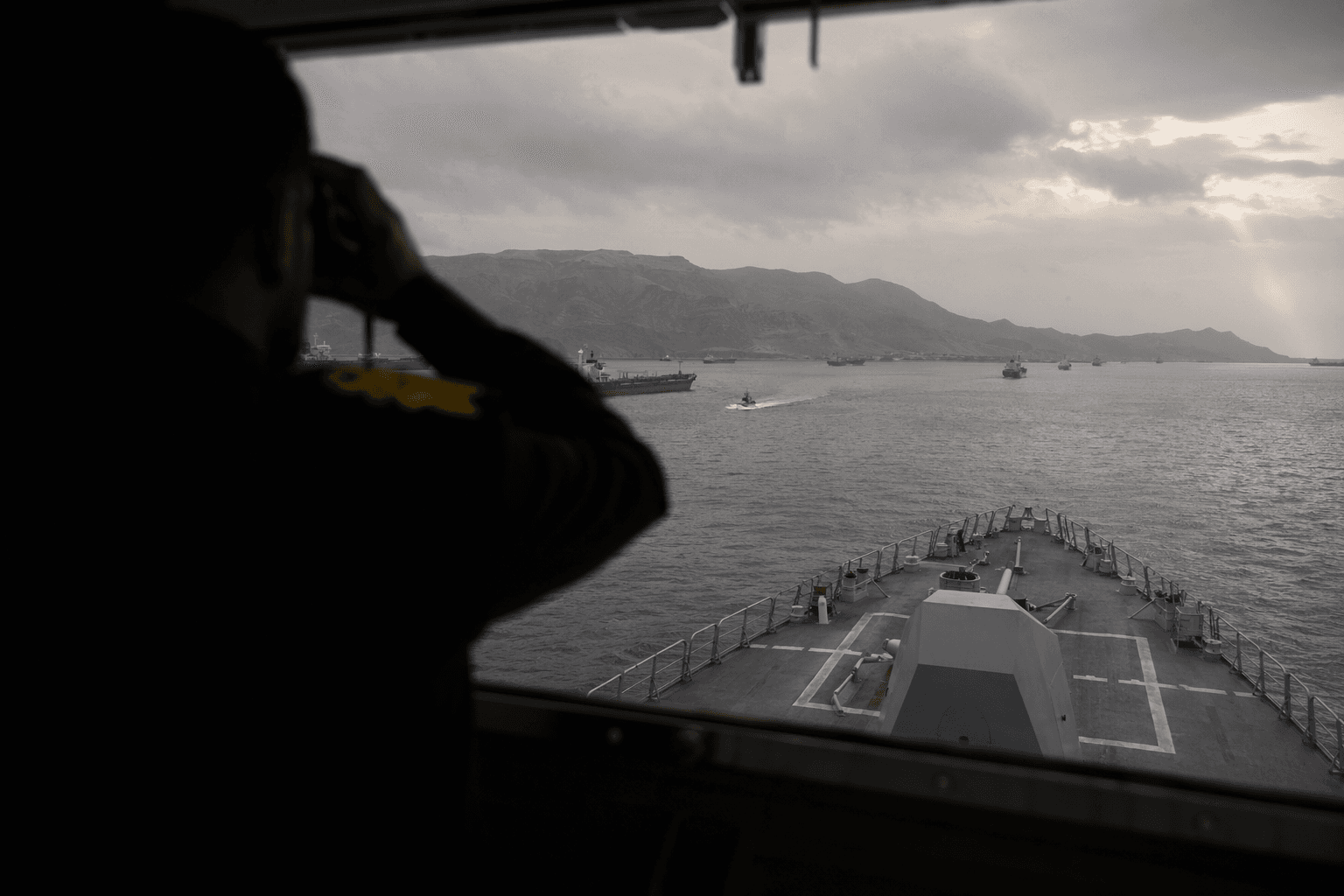
Tehran was striking a more cautious note. Iranian Foreign Ministry spokesman Esmaeil Baqaei said on May 25 that the two sides had reached understandings on many issues, but that a final agreement was not imminent. That gap between Washington’s optimism and Tehran’s caution has become the central measure of whether these talks are advancing or merely circling the same disputes.
The diplomacy was also moving through Doha, where Iran’s top negotiator, Abbas Araghchi, and Foreign Minister Abbas Araghchi were in talks with Qatar’s prime minister, Mohammed bin Abdulrahman bin Jassim Al Thani. Qatar has served as an intermediary in the talks, underscoring how much the negotiations depend on outside mediation even as the United States and Iran keep trying to define the terms themselves.
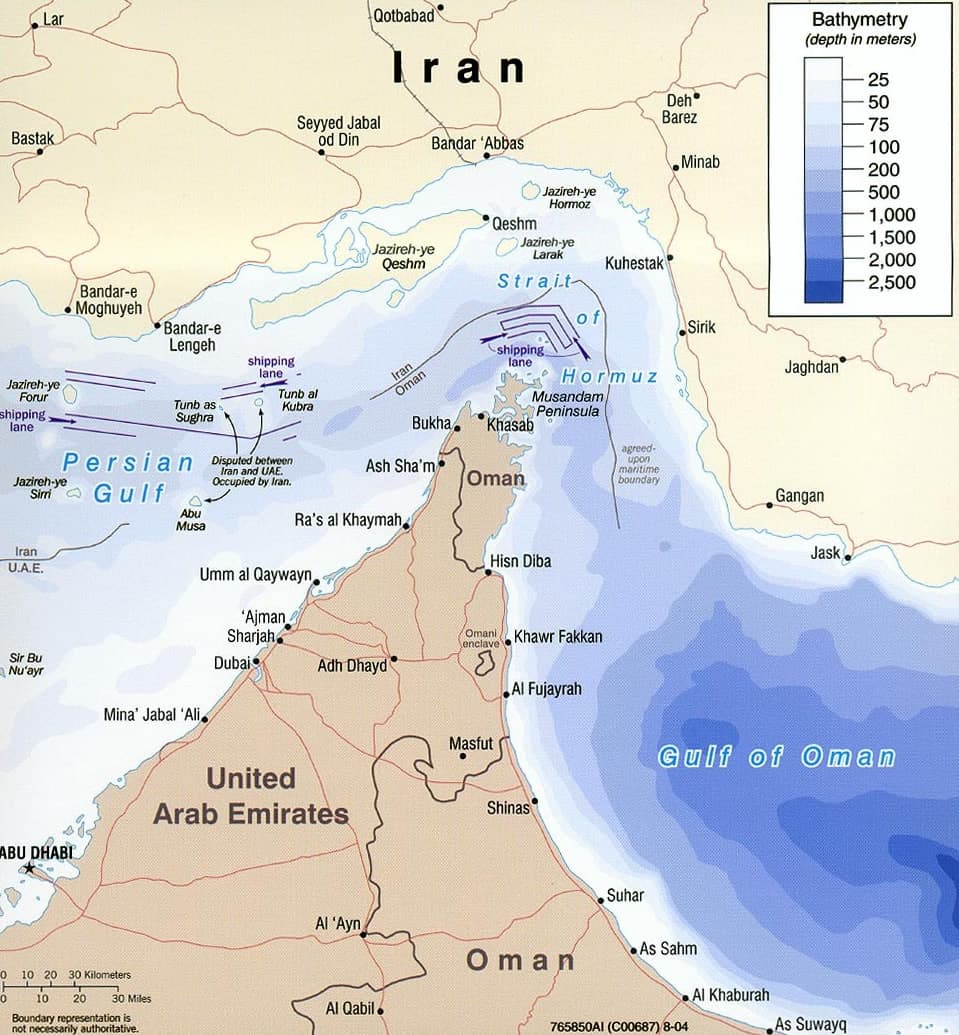
Markets reacted quickly to the possibility of progress. Oil prices fell as investors weighed the chance that a deal could ease threats to shipping through the Strait of Hormuz, one of the world’s most important energy chokepoints. For the agreement to feel real in American households, it would have to do more than slow the rhetoric. It would have to reduce oil volatility, keep missiles and militias from reigniting the conflict, and leave both sides with an enforcement structure strong enough to outlast the current round of diplomacy.
Know something we missed? Have a correction or additional information?
Submit a Tip