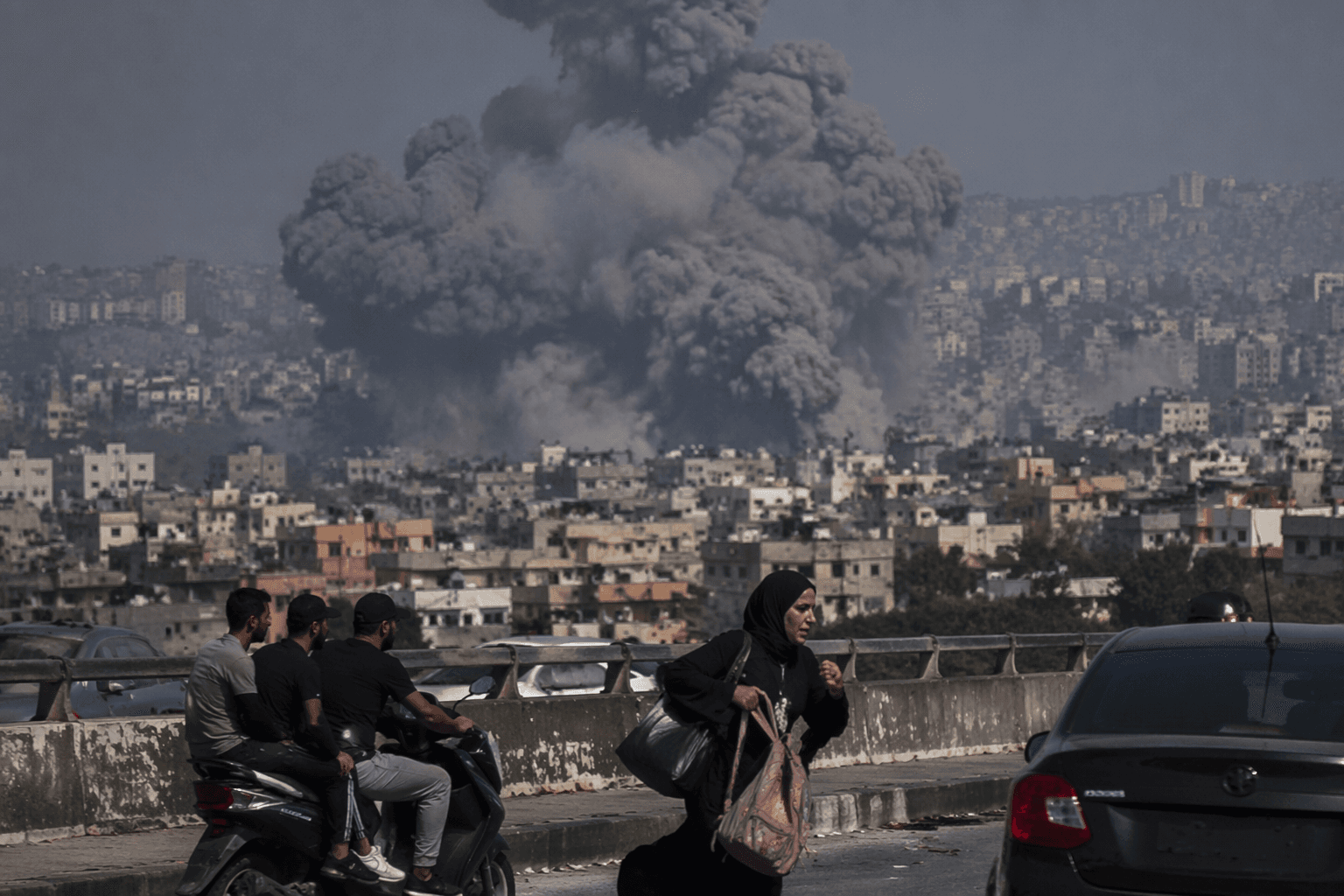
Lawmakers react as U.S. and Iran edge closer to peace deal
A deal looked closer, but uranium stockpiles, sanctions relief and Strait of Hormuz terms still divided Washington and Tehran as oil prices slid.
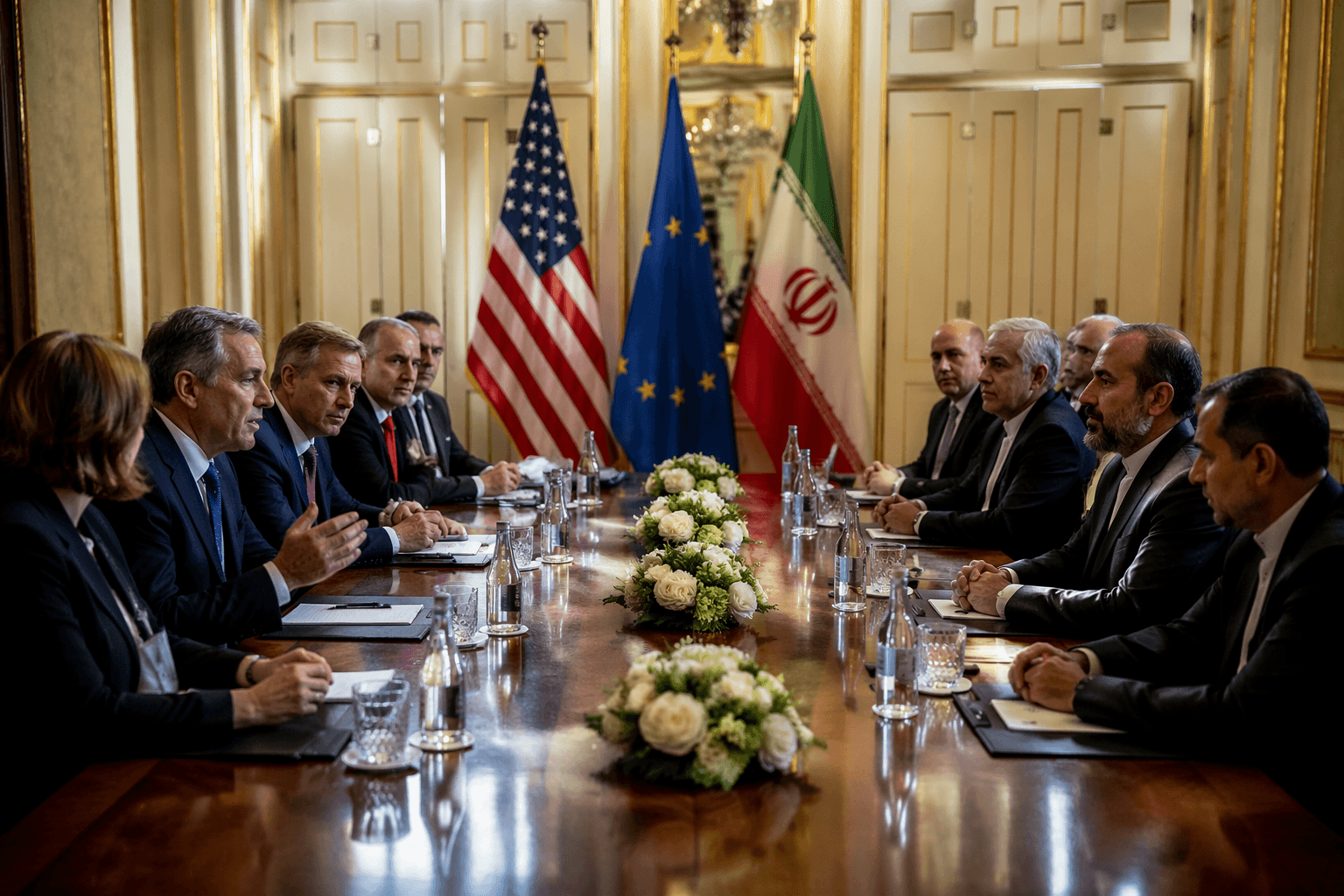
Lawmakers in Washington were reacting cautiously as the U.S. and Iran edged toward a possible peace deal, but the core terms still looked fragile. Donald Trump said a deal was “largely negotiated,” while Marco Rubio said an agreement to reopen the Strait of Hormuz could be announced as soon as Monday. Even so, Iran said signing was not imminent and complained that “frequent changes” in the U.S. position were complicating the talks.
The hardest question remains verification. Washington wants hard guarantees that Iran will not seek a nuclear weapon, and that demand goes to the center of the dispute over Iran’s enriched uranium stockpile and enrichment limits. In April, JD Vance led 21-hour talks in Islamabad, Pakistan, but the sides still could not close the gap because the U.S. wanted a firm commitment that Iran would stay away from a bomb. That is the kind of demand that cannot be papered over with a vague statement or a short-term pause.
Sanctions relief is the next major obstacle. A draft 14-point memorandum of understanding reportedly crafted by Steve Witkoff and Jared Kushner would pair a halt to enrichment and the removal of uranium stockpiles with some U.S. sanctions relief, then begin 30 days of detailed negotiations on a fuller deal. The structure suggests how much each concession is tied to the next: Iran wants economic relief, but Washington wants proof first that Tehran is giving up real capability. That sequencing is politically difficult on both sides, especially after years of distrust.
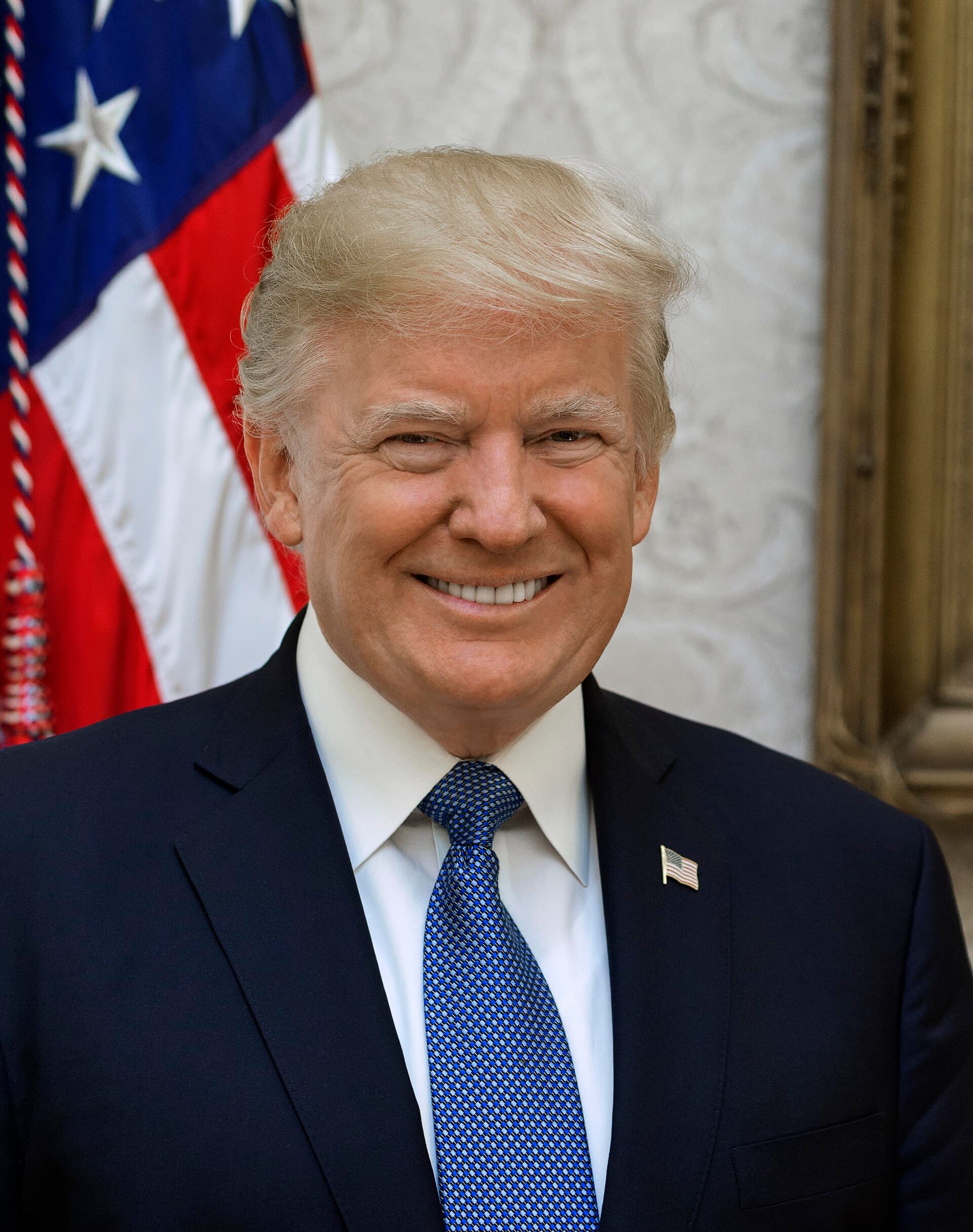
The regional security piece may be even more volatile. Rubio said a tolling system on the Strait of Hormuz would be unacceptable, and the latest draft floating through the talks would reopen the waterway while the broader nuclear terms are still being worked out. The Times of Israel report on May 6 said the U.S. sought a moratorium on all uranium enrichment for at least 12 years, with Iran eventually allowed to enrich to 3.67 percent for civilian use under enhanced inspections, including snap inspections by the United Nations. That is a steep ask for Tehran, which has treated enrichment as a core sovereign issue.
The economic stakes are already visible. Brent crude futures fell nearly 7 percent to $96.30 a barrel as hopes for a deal rose, a sign that traders see even a partial breakthrough as meaningful for supply risk and shipping through one of the world’s most sensitive chokepoints. Yet the same market reaction also shows how vulnerable the talks are. If verification fails, sanctions relief stalls, or the Strait of Hormuz becomes a bargaining chip too far, the deal could unravel fast.
Know something we missed? Have a correction or additional information?
Submit a Tip