Netanyahu orders intensified strikes on Hezbollah as Lebanon truce frays
Netanyahu said Israel would “increase the blows” on Hezbollah as more than 70 sites were struck in a day, sending civilians fleeing Beirut’s southern suburbs.
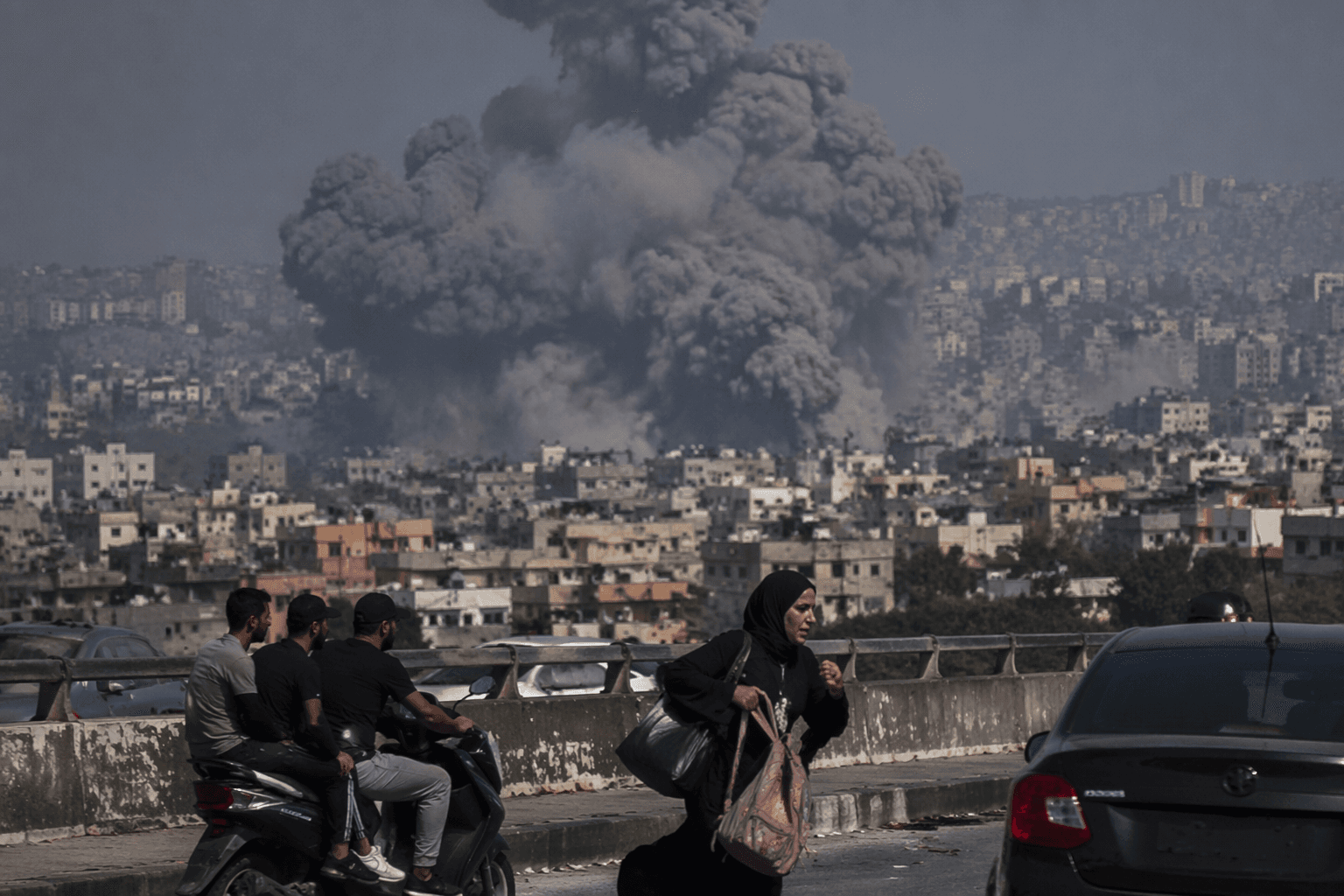
Israel widened its campaign against Hezbollah on Monday, with Benjamin Netanyahu ordering the military to “increase the blows” and “step on the gas even more” after officials said more than 70 Hezbollah sites were hit in the previous day. The strikes reached Lebanon’s Bekaa Valley and southern Lebanon, and Lebanon’s National News Agency said at least three people were killed.
The latest escalation came despite a U.S.-brokered ceasefire that took effect on April 16-17 and was meant to halt the cross-border war that has persisted in near-daily bursts. Even under the truce, Hezbollah has kept firing drones and rockets at Israeli forces, including fiber-optic drones that Israel says can evade jamming, while Israeli forces have continued striking Hezbollah positions and dismantling sites in southern Lebanon. A U.S. State Department official said Hezbollah had ignored repeated requests and a recent ultimatum to stop firing at Israel, calling the current arrangement untenable.
The pressure is now spilling beyond the front line. Lebanese security sources and state media said some residents began fleeing Beirut’s southern suburbs after Netanyahu’s warning, a sign that fears of renewed strikes on the capital are returning. Those neighborhoods were heavily bombarded before the truce, and the prospect of attacks expanding back into Beirut would deepen the displacement crisis in a country already absorbing months of war.
The toll underscores how fragile the ceasefire remains. Netanyahu’s office said 22 Israeli soldiers and a defense contractor have been killed in or near southern Lebanon, along with two civilians in northern Israel, since the latest war with Hezbollah began on March 2. Lebanese authorities have reported more than 3,000 deaths in the fighting overall, including women and children; the Lebanese Health Ministry has put the toll at 3,020, among them 292 women and 211 children.
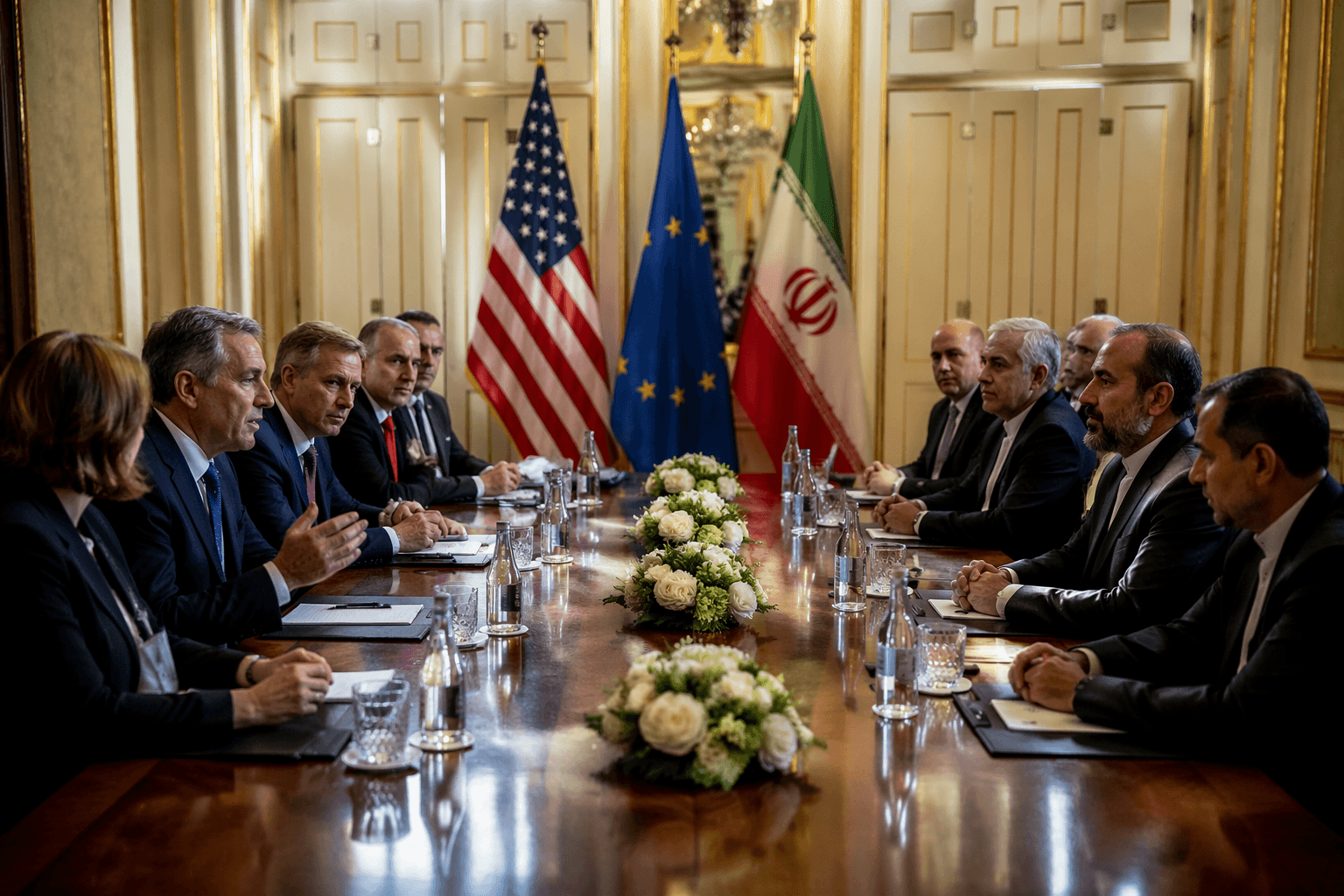
The diplomatic stakes are just as high. U.S. and Lebanese officials were due to meet at the Pentagon on Friday for follow-up military talks on the ceasefire, even as U.S. and Iranian negotiators were trying to finalize broader regional deal terms that could be thrown off by the Lebanon front. For Washington, the danger is that a campaign framed as pressure on Hezbollah could instead widen the conflict, unsettle ceasefire enforcement and force a heavier U.S. military and diplomatic posture across the region.
Know something we missed? Have a correction or additional information?
Submit a Tip