Democrats seek a durable coalition as 2026 midterms loom
Trump’s weak economy numbers open a door, but Democrats still lack a durable coalition and only about 7 in 10 members view the party positively.

Democrats are heading into the 2026 midterms with a rare opening and a familiar problem. President Donald Trump’s approval on the economy has fallen to 30%, and 72% of Americans now say the country is headed in the wrong direction, but the party trying to capitalize on that discontent has not yet built the kind of coalition that can hold after one election cycle.
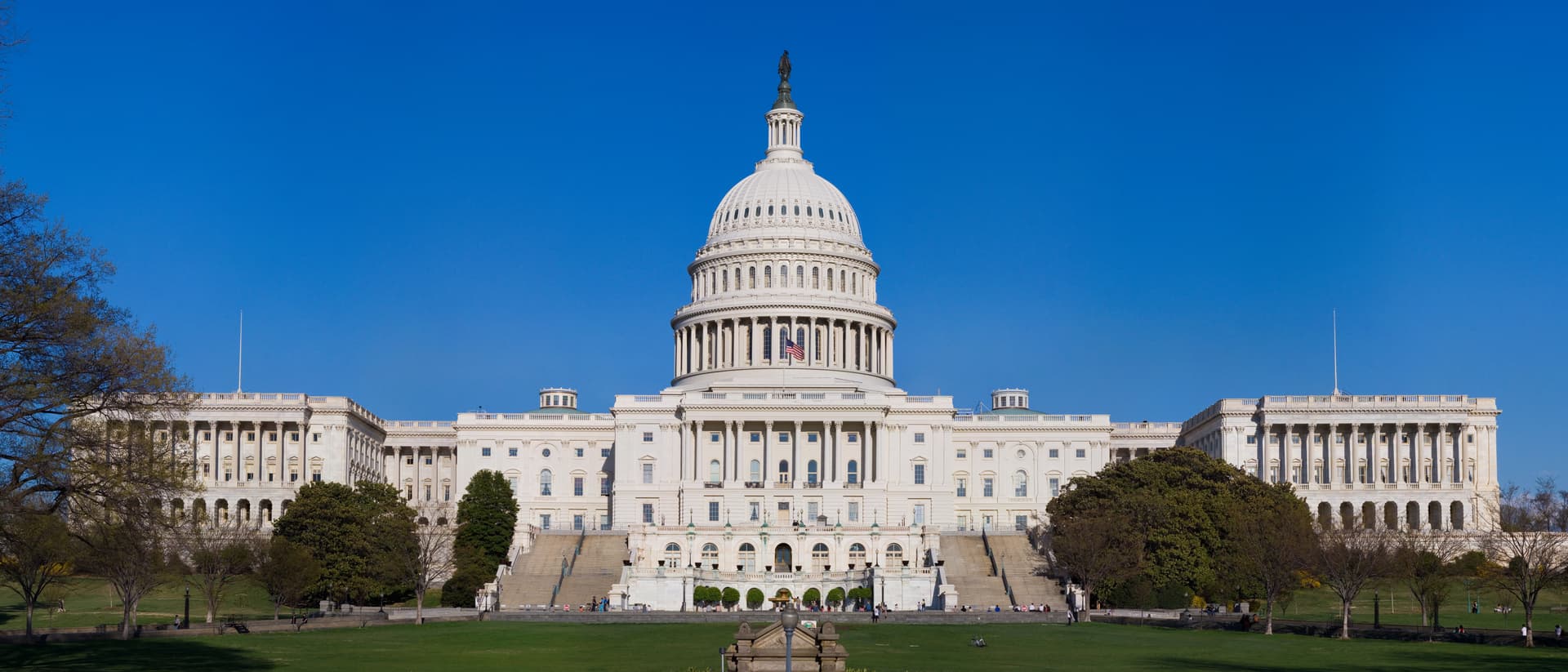
The stakes are enormous. The midterms will decide control of Congress and shape the final two years of Trump’s second term, with roughly one-third of the Senate and all 435 House seats on the ballot. History is not on the side of the party in power. Since 1862, the president’s party has almost always lost House seats in midterm elections, with only rare exceptions in 1934 under Franklin D. Roosevelt and 1998 under Bill Clinton.
That is why Democrats are asking a harder question than how to win a single cycle: how to turn anti-Trump energy into something durable. The Democratic National Committee’s post-2025 analysis says the party can only reverse recent losses in a lasting way if it restores credibility on delivering tangible economic improvements for average families. That argument is increasingly central as Democrats try to move beyond opposition politics and toward a message about affordability, wages and daily costs.
The challenge is that Democrats have not fully persuaded even their own voters. A February 2026 AP-NORC poll found only about 7 in 10 Democrats had a positive view of the party, despite a string of special-election wins. At the same time, Brookings has argued that Trump’s 2024 victory and Kamala Harris’s loss looked less like a sweeping realignment than an ordinary election in a sharply divided country. AP VoteCast, which interviewed more than 120,000 voters across the United States in 2024, underscored how narrow the partisan battlefield remains.
Recent results have given Democrats some evidence that a message centered on the economy can travel. They won the 2025 gubernatorial races in Virginia and New Jersey by double digits, and they have gained 12 state legislative seats in special elections since January 2025, according to Ballotpedia. Reuters-Ipsos polling in late 2025 also showed Democrats narrowing the GOP’s edge on the economy, even as Republicans still led on immigration.
That leaves Democrats facing a strategic test in 2026. Candidates such as Abigail Spanberger in Virginia and Mikie Sherrill in New Jersey show the party’s bet on pragmatic, economically focused messaging, while races in Ohio, Texas and California will test whether that appeal can stretch to white working-class voters and other swing constituencies. If Democrats cannot broaden beyond anti-Trump sentiment, the party may win the moment and still lose the longer fight for a governing majority.
Know something we missed? Have a correction or additional information?
Submit a Tip