DOE-Backed Report Urges Investment in Diagnostics for Commercial Fusion
A DOE-backed working group from a 2024 workshop says advanced plasma diagnostics - including a proposed CalibrationNetUS and AI-driven sensors - are crucial to hit mid-2030s fusion goals.
A DOE-backed working group says the missing link for commercial fusion is not reactor design but measurement tools, calling for major investment in advanced plasma diagnostics to give DOE and Congress the data needed to accelerate development toward mid-2030s commercialization. The report stems from the DOE’s 2024 Basic Research Needs Workshop on Measurement Innovation and argues diagnostics must be robust enough to drive public and private fusion programs forward.
The workshop was organized through the Department of Energy Office of Science’s Fusion Energy Sciences program and assembled roughly 70 experts from universities, national laboratories, and private fusion companies to identify seven priority areas. Participants analyzed topics that range from low-temperature plasmas used in microelectronics to burning plasmas in high-energy-density fusion reactors and the diagnostic needs of full-scale pilot plants.
Luis Delgado-Aparicio, head of advanced projects at the Princeton Plasma Physics Laboratory, chaired the effort, and Sean Regan, director of the Experimental Division at the University of Rochester’s Laboratory for Laser Energetics, served as co-chair. Delgado-Aparicio said, “Measurement innovations have led and will continue to lead to scientific and engineering breakthroughs in plasma science and technology activities supported by the DOE's FES, especially fusion energy sciences. This new report provides substantive findings across seven key areas of plasma and fusion science and technology. We believe it will impact both the public and private fusion communities in a meaningful way.” Regan added, “The findings in this report are a testament to the critical role of diagnostics in driving fusion energy science forward. By investing in innovative measurement technologies, we can accelerate progress toward commercial fusion energy and strengthen America's leadership in plasma science.”
The report’s concrete recommendations include a national-scale measurement infrastructure, a proposed “CalibrationNetUS” network to standardize and calibrate sensors across facilities, and development of AI-driven sensors for real-time monitoring of extreme plasma conditions. The document also highlights data infrastructure workstreams described as “Collection, cleaning, and preparation of large datasets, fiber optic cables transmitting data, creating a data tree, 3D render,” signaling investment needs from hardware to visualization.
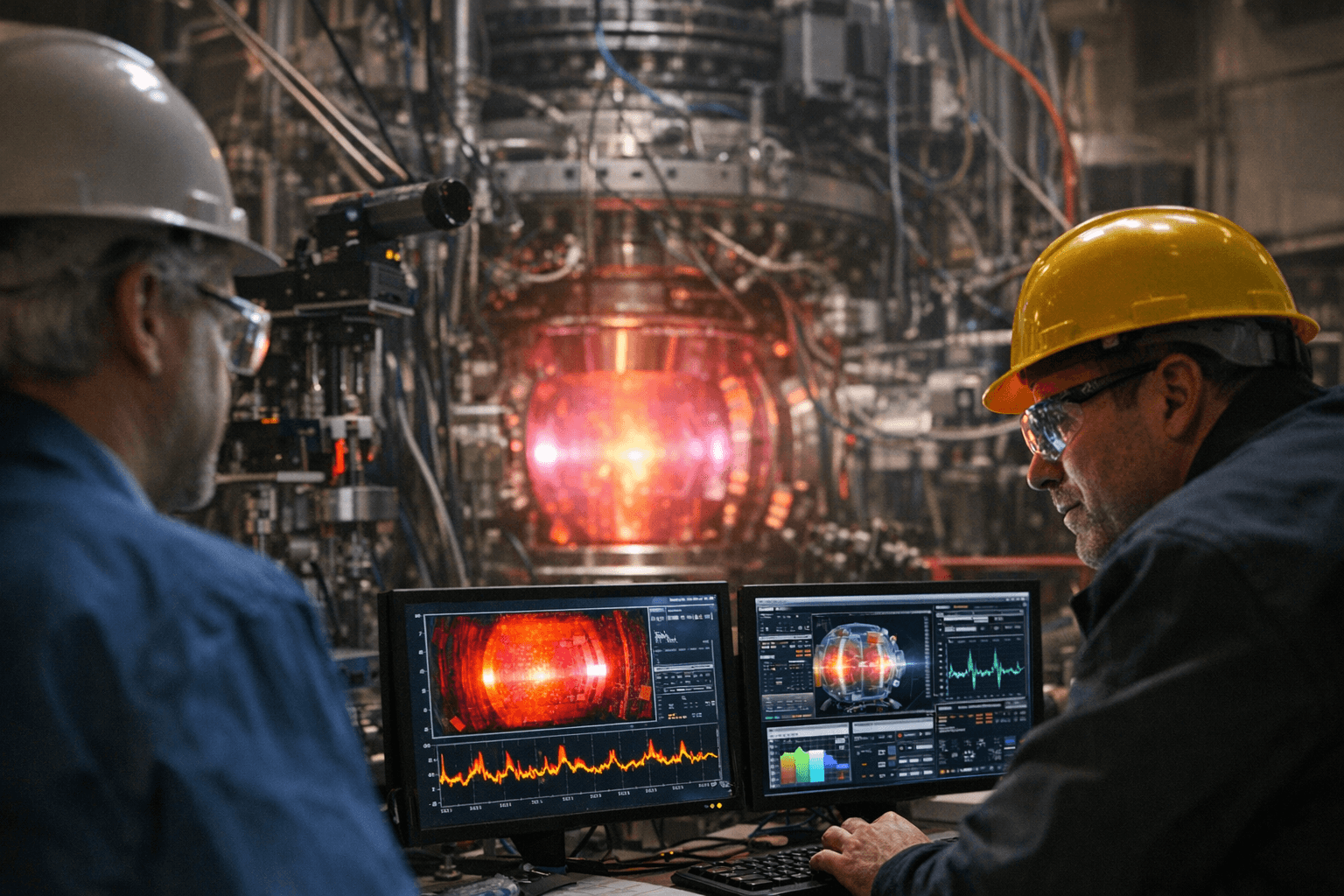
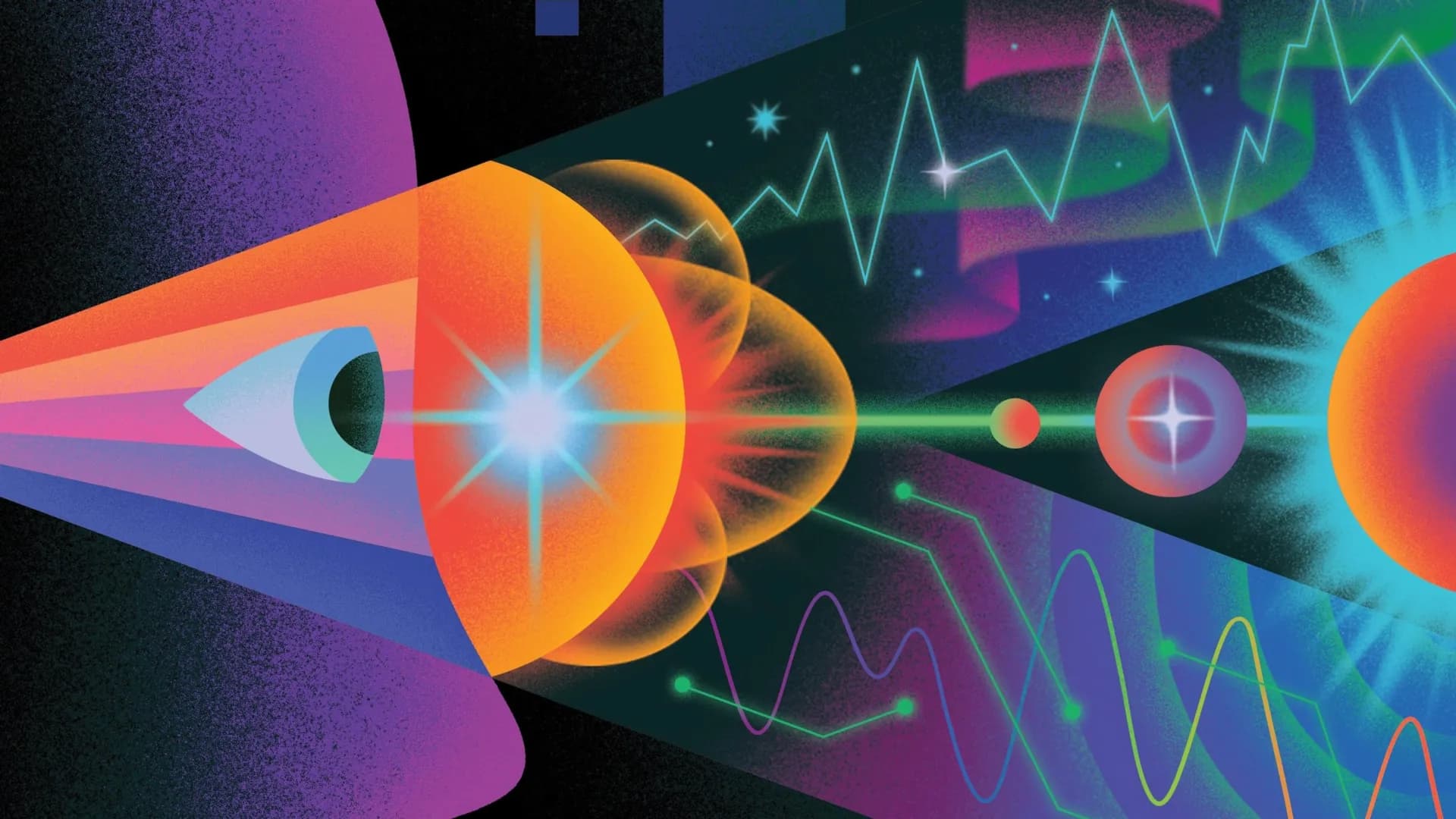
Sources summarized the technical challenge bluntly: diagnostics are the specialised sensors that monitor extreme plasma fuel conditions such as temperature and density and must survive environments characterized as more extreme than the centre of the sun. One outlet framed diagnostics as the “holy grail” for delivering commercial clean energy, underlining that instrument survivability and fidelity are prerequisites for reliable pilot plants and commercial reactors.
The workshop and report explicitly support the DOE Fusion Science & Technology Roadmap, which “targets actions and milestones out to the mid-2030s, providing the scientific and technological foundation to support a competitive U.S. fusion energy industry.” By tying diagnostic investment to that roadmap, the working group positions measurement innovation as a near-term lever for meeting roadmap milestones.
The report aims to provide DOE and Congress with the actionable data needed to speed delivery of commercial fusion power plants, but the excerpts released to date leave several follow-ups. Report readers and policymakers will need the full text to see the complete list of seven priority areas, proposed funding levels, governance for CalibrationNetUS, and technical specifications for AI-driven sensors and survivability testing.
Know something we missed? Have a correction or additional information?
Submit a Tip