Niger Junta Moves 1,000 Tonnes of Yellowcake to Niamey Airbase
Niger’s junta moved about 1,000 tonnes of yellowcake to Air Base 101 near Niamey airport on February 27, 2026, leaving the stockpile under military guard amid legal injunctions and militia attacks.
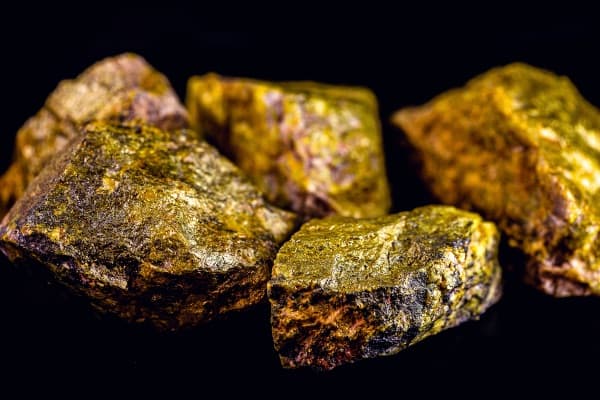
Niger’s ruling junta moved roughly 1,000 metric tonnes of uranium concentrate from the SOMAÏR mine to Air Base 101 beside Niamey’s main international airport on February 27, 2026, and the material remains in military custody. The shipment followed the junta’s seizure and nationalization of SOMAÏR; the stockpile is now stored at an airbase that analysts and diplomats say places it dangerously close to civilian air traffic and high-value military assets.
Orano, the former 63.4 percent owner of SOMAÏR, has challenged the seizure at the International Centre for Settlement of Investment Disputes and obtained an interim order barring any sale or transfer of SOMAÏR-produced uranium without Orano’s consent. Orano has warned it will take “any and all actions” necessary to stop third parties from acquiring the uranium. Niger’s mining minister, Colonel Ousmane Abarchi, has publicly countered with: “We can sell to whoever we want. We are talking with the Russians. We are talking to the Chinese. We are talking to the Americans.”
Niamey has held talks with multiple potential buyers and partners, including Russia, China, the United States and the United Arab Emirates, and wider reporting has flagged Iran and Turkey as potential interest parties. Ecofinagency reported a memorandum of understanding signed in July 2025 between Niger’s Ministry of Energy and Russia’s Rosatom; French officials have been cited as believing a Rosatom deal for 1,000 tonnes at about $170 million had been arranged, including plans for a convoy of roughly 30 trucks to move material via Burkina Faso to Lomé, Togo for shipment to Russia. Other price estimates differ: one valuation put 1,000 tonnes at approximately US$240 million. Officials in Niamey maintain sovereign control: state broadcaster RTN quoted junta leader General Abdourahamane Tchiani saying Niger will sell uranium “to whoever wishes to buy it, in accordance with market rules and in full independence.”
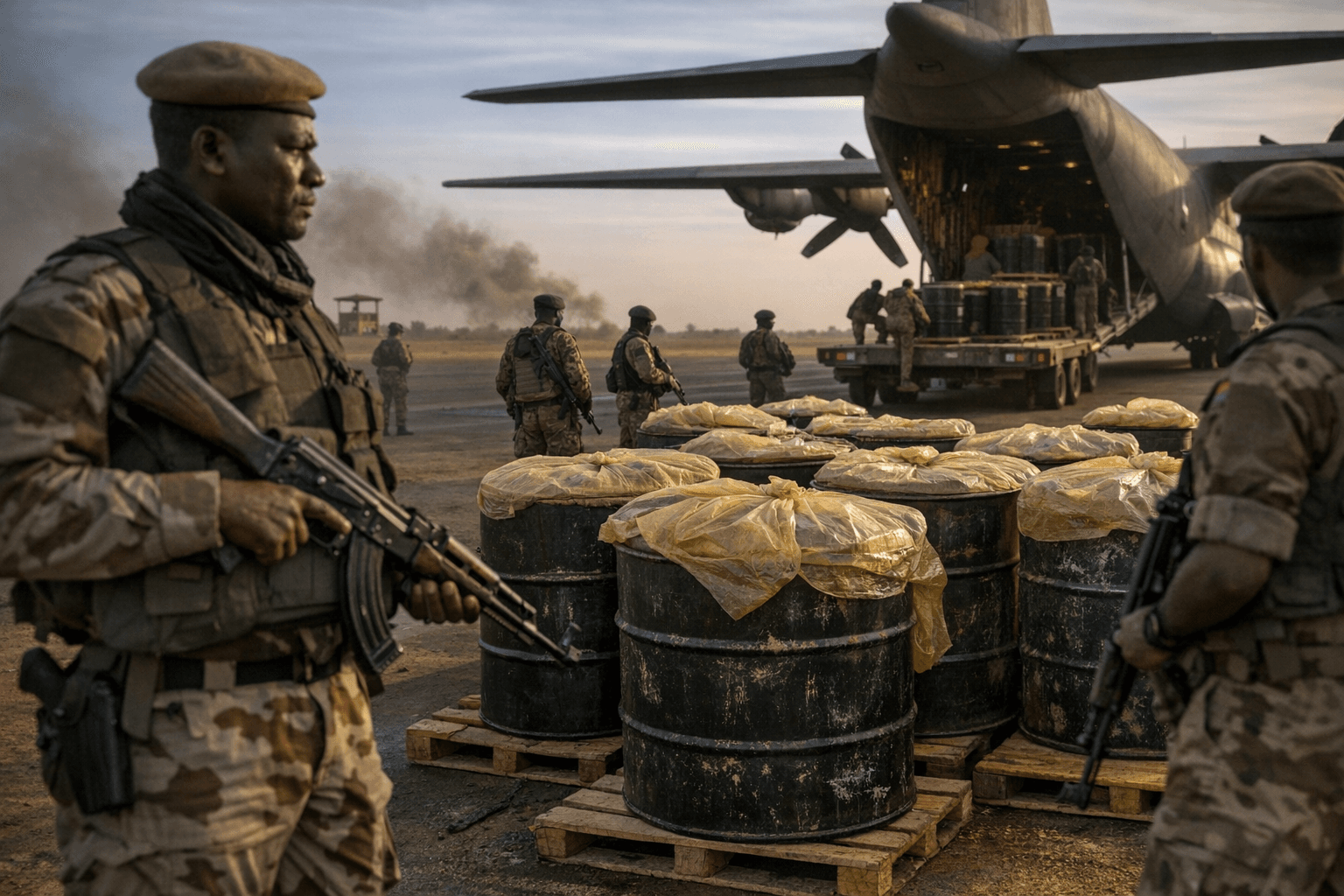
Security concerns escalated after a late January attack when the Islamic State Sahel Province opened fire near Niamey’s airport on January 29, 2026, in an assault that appeared aimed at drones stationed at the base; militants later claimed responsibility. Analysts warn that storing yellowcake at Air Base 101 adjacent to a major airport increases the risk of insurgent targeting and complicates force protection around radioactive material.
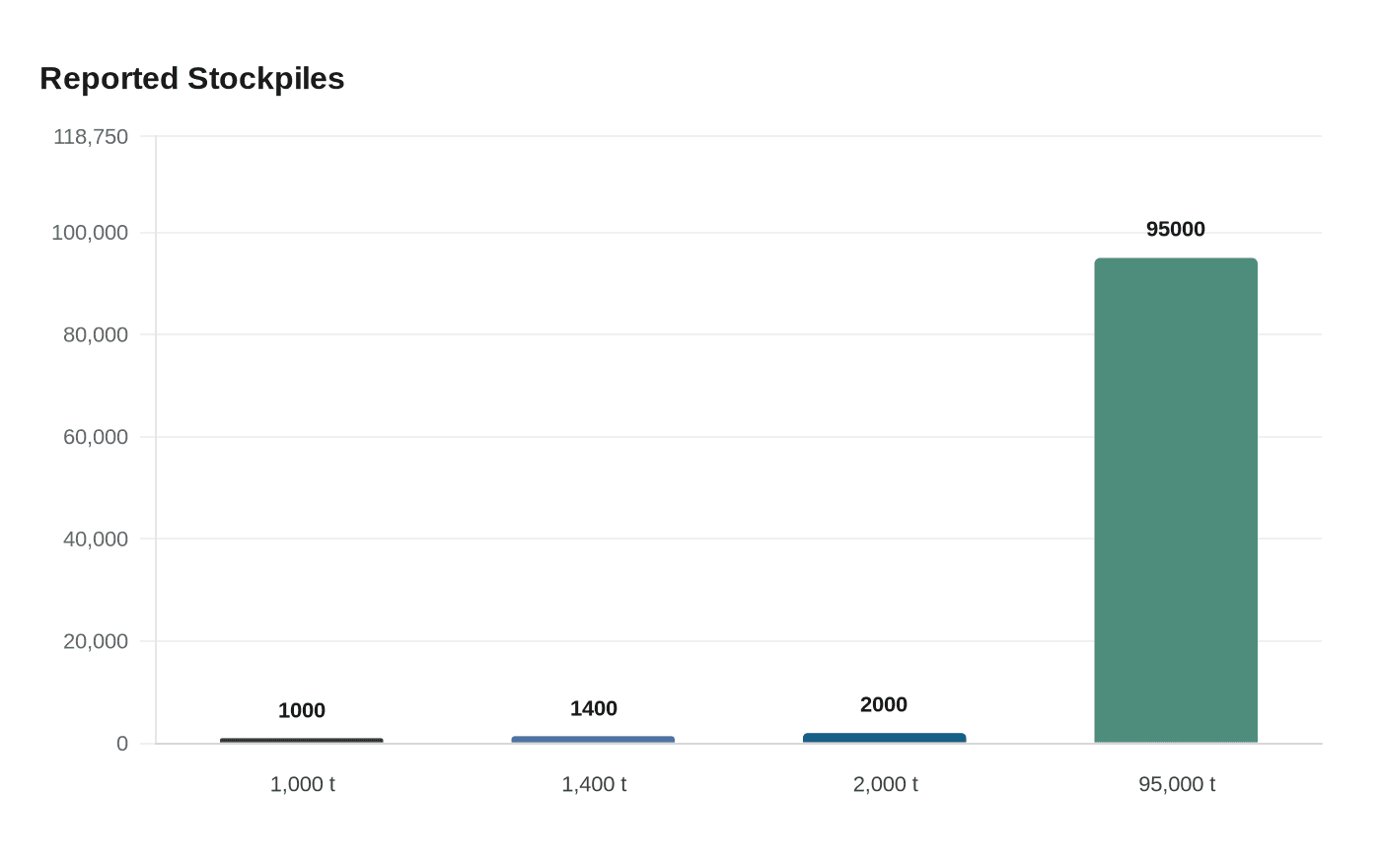
Numbers and timelines remain contested. The 1,000-tonne figure is most commonly reported, but alternative claims range from about 1,400 tonnes to 2,000 tonnes, and an outlier figure of 95,000 tonnes has appeared in reporting and stands in sharp conflict with other inventories. Atlantic Council analysis describes the stockpile as a “hot potato” that has pushed Tchiani to consider returning material to Orano, but it also notes that sending material back to Arlit roughly 1,000 km north is logistically costly and politically damaging for the junta.
The result is a legal, logistical and security stalemate: Orano’s ICSID order and threat of “any and all actions” collide with Niamey’s insistence on selling, while militants’ January presence near Air Base 101 underlines the immediate danger of leaving concentrated uranium at the capital’s airport. The longer the yellowcake sits immobile, the harder the political and security choices become for the junta.
Know something we missed? Have a correction or additional information?
Submit a Tip