ORNL unveils fuel design that boosts efficiency in advanced nuclear reactors
ORNL announces a new fuel design to boost efficiency in next‑generation reactors, part of a wider push in Oak Ridge including a $27M Kairos deal, NuScale AI work, and X‑energy’s $2B campus.
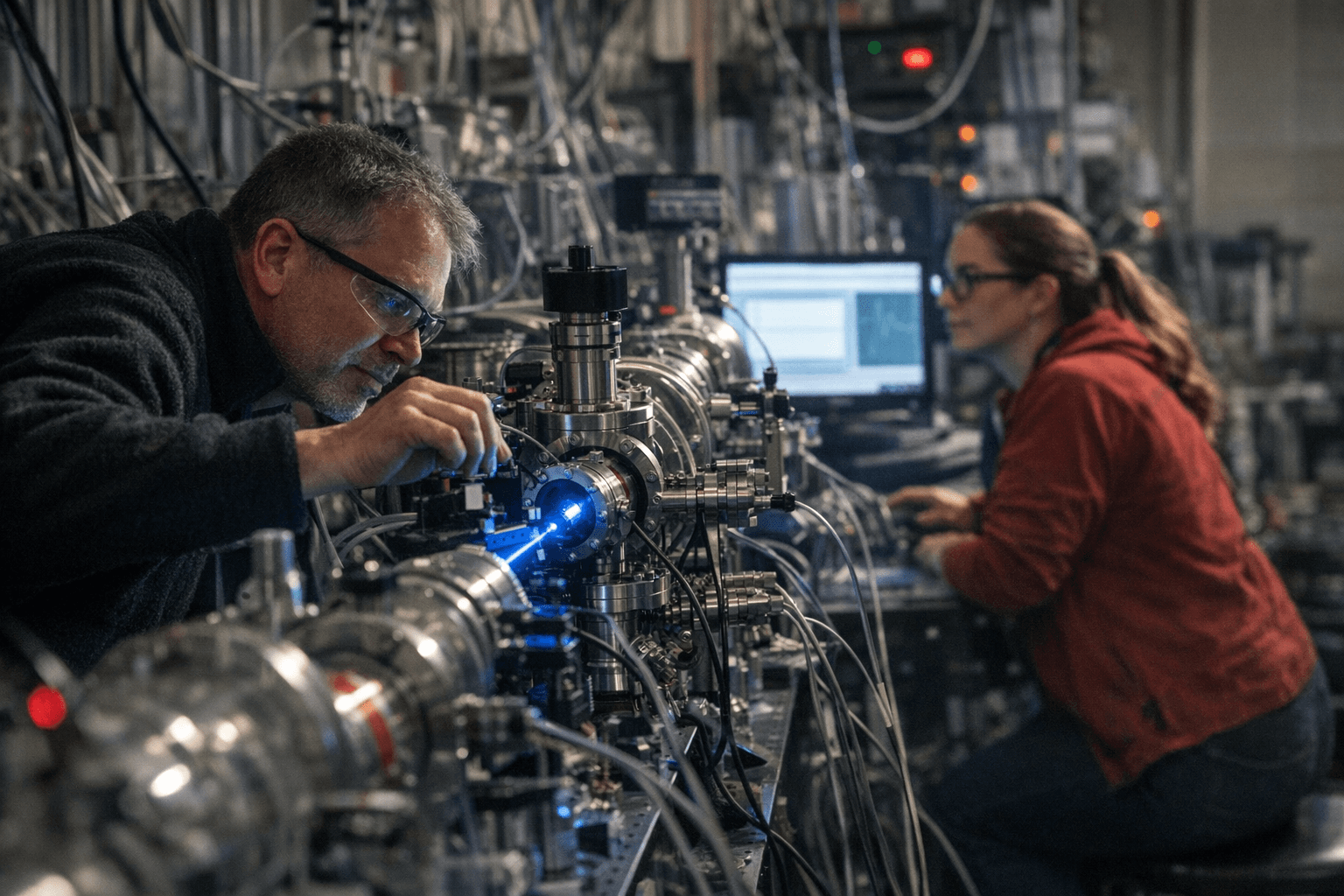
Oak Ridge National Laboratory announces a new fuel design that boosts efficiency in next‑generation nuclear reactors. The lab update says the innovation “supports safer and more effective fission reactions in advanced systems,” but the excerpts provided do not attach a product name or technical specification to the announcement.
ORNL frames the need for new fuels in blunt terms. “Nuclear fuel is a modern marvel, reliably providing nearly 20 percent of the nation’s electricity, 24 hours a day, 7 days a week,” the lab’s Q&A with Denise Adorno Lopes states, while ORNL materials note that “commercial nuclear fuel is meticulously designed to only use a small fraction of uranium’s potential energy — typically between 3 and 5 percent in conventional fuel.” Those contrasts drive ORNL’s push to squeeze more energy from uranium and improve plant margins.
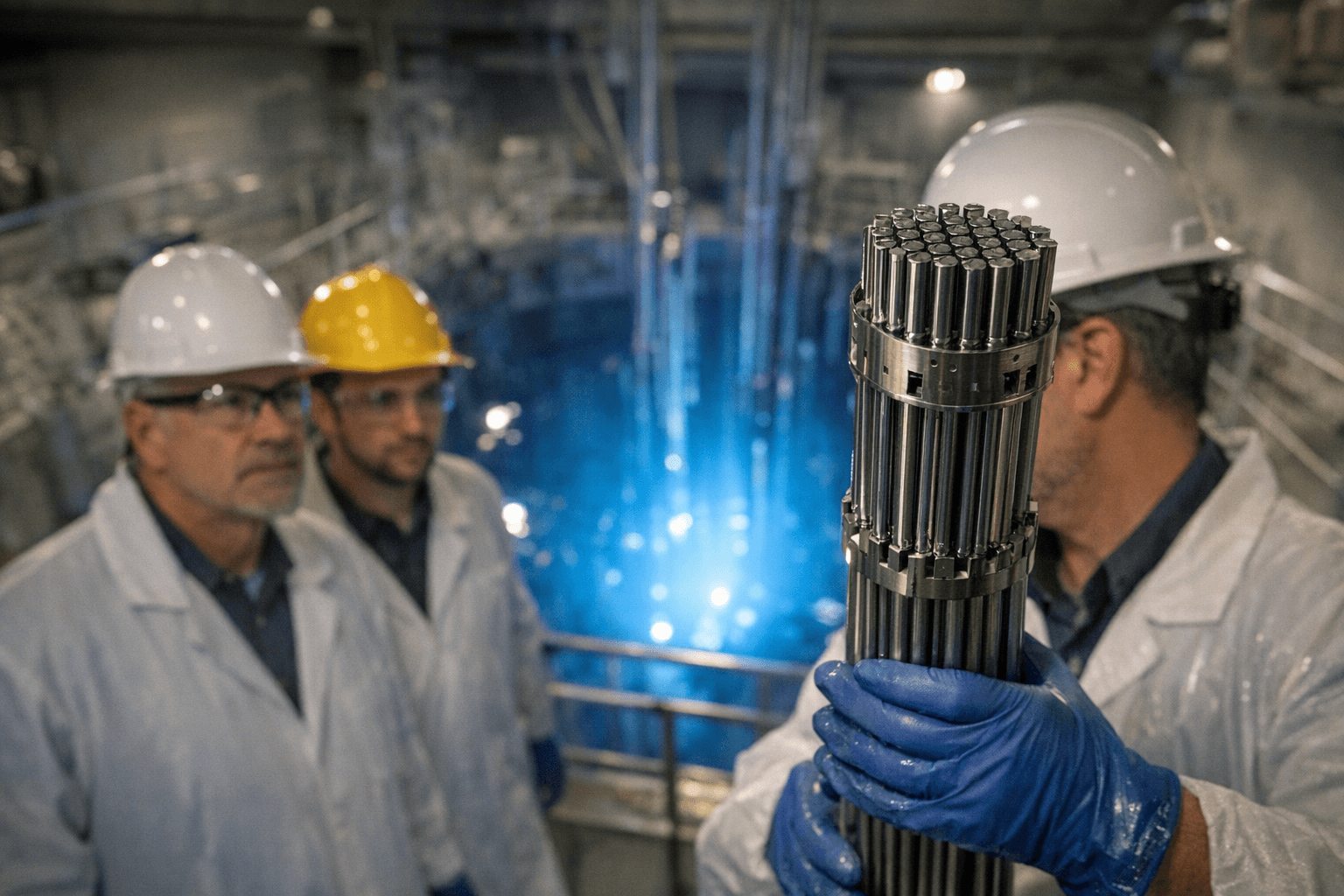
The laboratory says its advanced fuels R&D is explicit and broad. ORNL lists research on “doped ceramics, composite fuels like TRISO, metallic and ceramic‑metal composite fuels, and higher‑conductivity compounds,” with stated goals of developing “fuels that are more uranium dense and transfer heat better than traditional fuel and can operate for longer under the highly corrosive, extreme temperature environments of a nuclear reactor.” ORNL materials add the program aims to improve fuel microstructure and heat conduction to reduce peak temperatures and lower the risk of adverse events.
Commercialization and deployment paths are already mapped into regional projects. ORNL and Kairos Power have launched “a $27 million strategic partnership to accelerate the deployment of advanced nuclear reactors,” centered on the KP‑FHR - a fluoride salt‑cooled high‑temperature reactor that “replaces traditional water coolant with molten fluoride salt.” Chris Petrie, interim section head of Nuclear Fuel Development at ORNL, said, “It’s exciting to see how our historical lineage in molten salt reactor technology and coated particle fuel are being leveraged with the lab’s more recent advances in additive manufacturing to support Kairos Power in building the first advanced reactor of its kind in our own backyard.” The partnership lists work on remote maintenance under radiation, spent fuel pebble management, and additive manufacturing refinements to support the Hermes 1 demonstration reactor currently under construction in Oak Ridge; ORNL Director Stephen Streiffer added, “With energy demand expected to increase substantially by 2050, our continued partnerships with US industry, including Kairos Power, are how we will bring more reliable, affordable energy to market.”
ORNL’s collaborations extend to NuScale Power, which on February 12, 2026, announced a partnership with ORNL to use an artificial intelligence‑enabled nuclear design framework for a 12‑NuScale Power Module configuration to study shared fuel pool management across up to 12 modules. John Hopkins, NuScale President and CEO, said, “We are thrilled to be collaborating with ORNL, with the support of the DOE, to assess exciting new opportunities for potentially managing fuel even more efficiently across multiple nuclear reactors and further reducing costs going forward.” ORNL will contribute AI, machine learning, fuel management, and computational expertise.
Private industry activity in Oak Ridge complements the lab’s work. X‑energy has broken ground on a nearly $2 billion fuel fabrication campus after a pilot lab that began in 2016; the company holds “100 acres in Oak Ridge and growing.” The first X‑energy factory could be operational by late 2027 or early 2028 and at full operation assemble enough fuel orbs to power 11 of its reactors, with a second facility by late 2029 at four times the capacity. “This is a unique time,” said Tyler Gerczak, ORNL’s principal investigator for the TRISO‑X cooperative, and TRISO‑X President Joel Duling called the moment a “game‑changer.”
Taken together, ORNL’s lab announcement, the $27 million Kairos partnership, NuScale’s February 12, 2026 AI study, and X‑energy’s factory plans make Oak Ridge a focal point for turning advanced fuel concepts—doped ceramics, TRISO, metallic and ceramic‑metal composites, and higher‑conductivity compounds—into manufactured products and demonstration reactors. The lab update signals a technical direction; it does not yet publish a named fuel product or test dossier, leaving the next step to documented specifications, irradiation data, and licensing as these projects progress.
Know something we missed? Have a correction or additional information?
Submit a Tip