DOJ grand-jury subpoenas escalate fears over Fed independence
Federal Reserve subpoenas deepen market and institutional worries about central-bank independence and could reshape policy credibility.
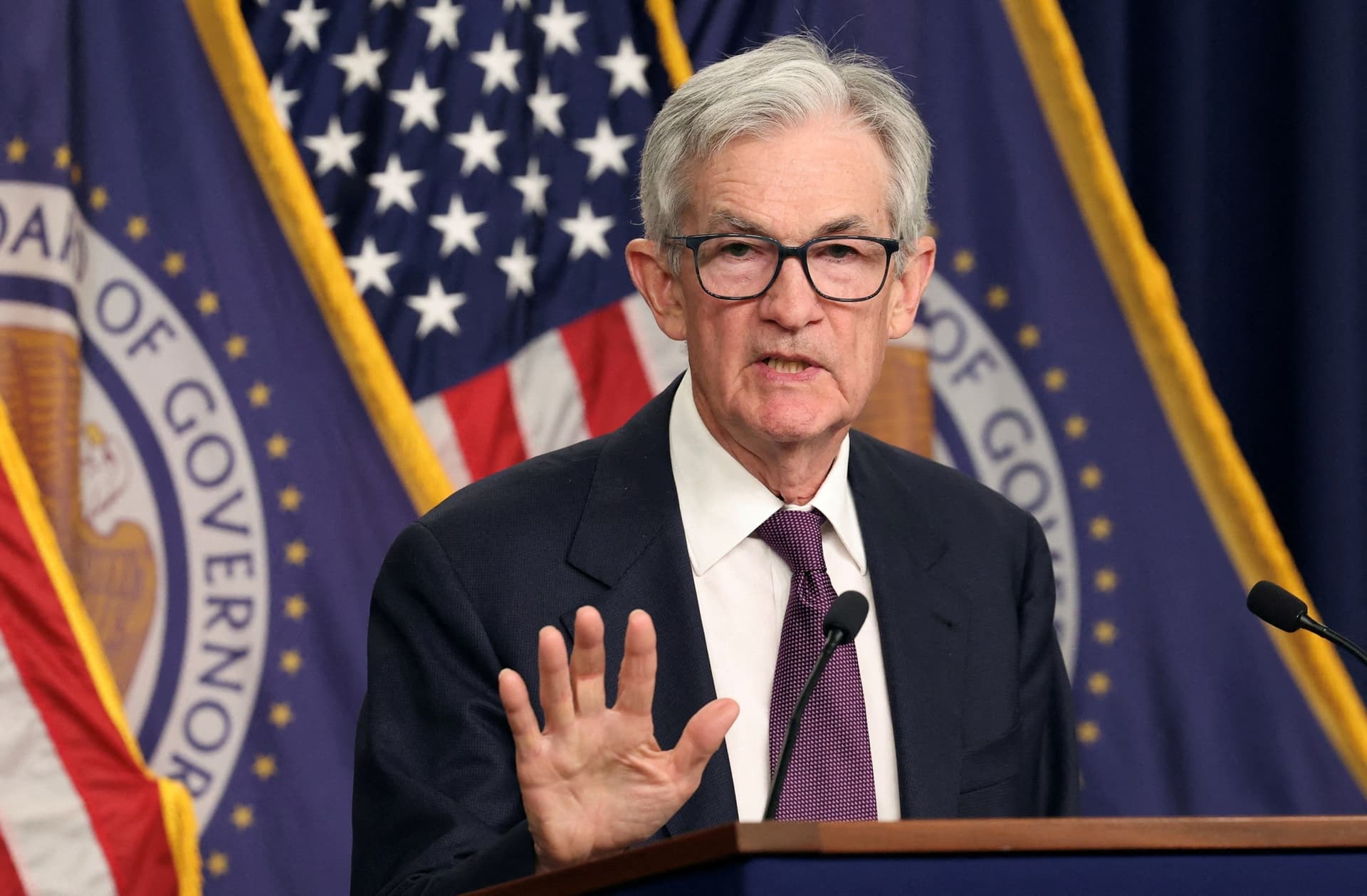
Federal Reserve Chair Jerome Powell said in a video statement that the Fed had been served with Department of Justice grand-jury subpoenas the prior Friday, and that the subpoenas “threaten a criminal indictment” connected to his Senate testimony last June about a multi-year renovation program for historic Fed buildings. Powell said the action was a pretext, declaring, “This new threat is not about my testimony last June or about the renovation of the Federal Reserve buildings,” and framed the subpoenas as “a consequence of the Federal Reserve setting interest rates based on our best assessment of what will serve the public, rather than following the preferences of the President.” Powell said he would remain in his post despite the investigation.
The subpoenas thrust a legal escalation into an already fractious debate over the Fed’s policy path. Reporters described the move as an unprecedented intensification of pressure from the White House, which has repeatedly urged lower interest rates while the Fed has cut policy rates at each of its last three meetings. The Justice Department has not publicly specified criminal charges or identified targets beyond the connection Powell described to his congressional testimony, leaving markets and policymakers to weigh the possible motives and implications.
Financial markets reacted with a burst of risk aversion. Major U.S. stock indexes tumbled in early trading the following Monday but later recovered to be little changed by early afternoon. Gold surged to a reported record above $4,600 an ounce as investors sought safe havens. Industry leaders warned of broader spillovers: Jamie Dimon, chief executive of JPMorgan Chase, told a television program the subpoenas risked undermining central-bank independence and could ultimately push inflation expectations higher, calling the action “not a good idea.” Former Fed Chair Janet Yellen said she found the development “extremely chilling,” and President Donald Trump denied knowledge of the subpoenas in an interview aired over the weekend.
Lawmakers immediately raised institutional alarms. Senator Lisa Murkowski posted on X that “if the Department of Justice believes an investigation into Chair Powell is warranted based on project cost overruns, which are not unusual, then Congress needs to investigate the Department of Justice,” adding that the stakes were too high to “look the other way” and warning that losing Fed independence would harm market and economic stability. Other Republican senators privately questioned the DOJ’s motives and publicly warned of market consequences.
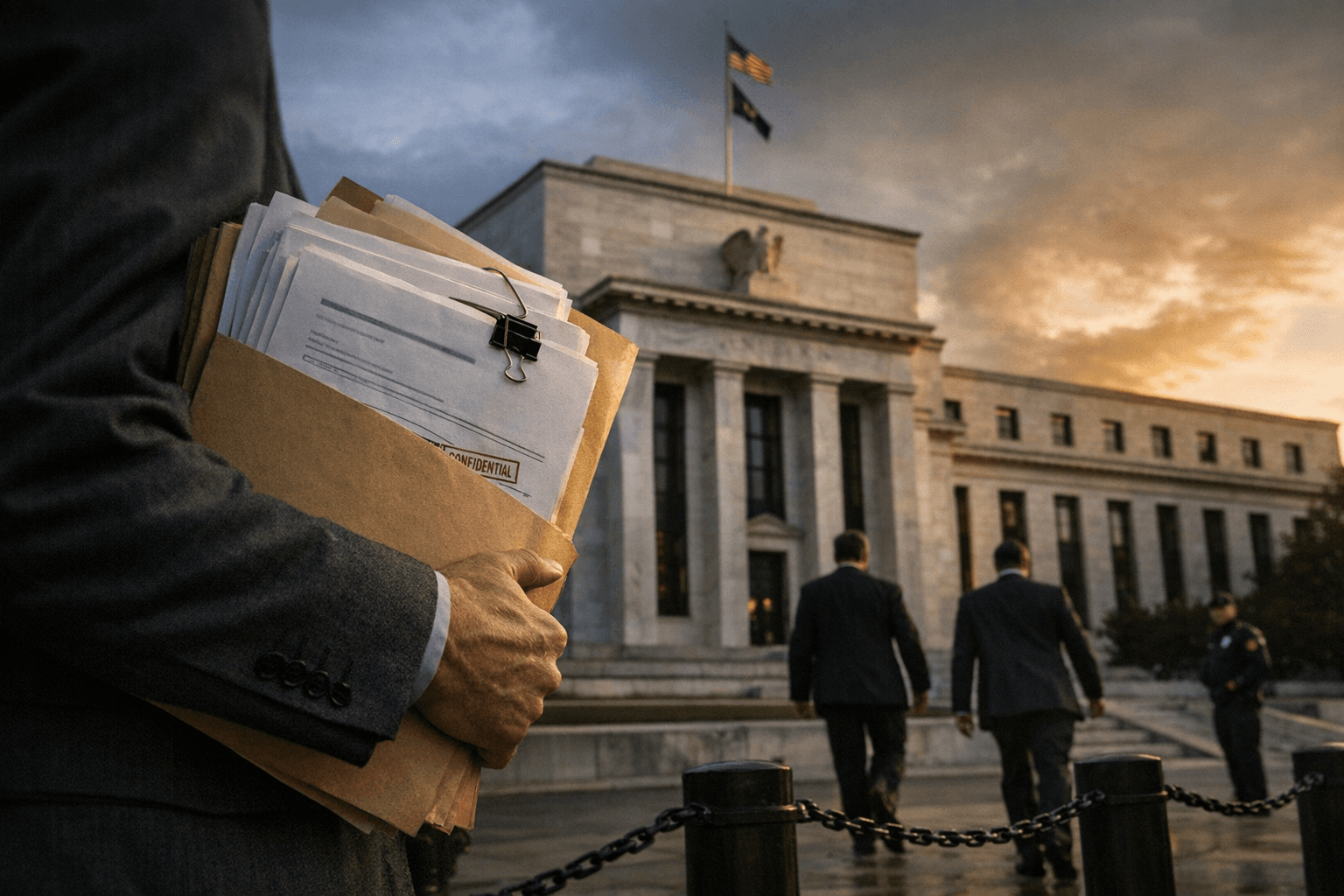
Beyond the headlines, economists and market strategists say the episode touches on core elements of monetary policy effectiveness. Central-bank independence anchors inflation expectations and lowers the cost of borrowing by reducing the risk that monetary policy will be used for short-term political ends. If markets begin to perceive the Fed’s decisions as subject to political coercion, risk premia on longer-term interest rates could rise, the dollar and Treasury yields could become more volatile, and safe-haven assets could see sustained demand.
For now, the immediate legal focus remains opaque and congressional oversight appears likely. Powell’s invocation of institutional principles and his decision to remain in office aim to reassure markets, but the broader economic implications will hinge on whether the inquiry yields clear criminal allegations or is seen as a tool of political pressure. The episode has already injected a new element of uncertainty into a fragile policy landscape where credibility is the central currency.
This article was produced by Prism’s automated news system from verified source data, official records, and press releases, then run through automated quality and moderation checks before publishing. The system is built and supervised by the people who set the standards it runs under. Read our full AI policy.
Did this article answer your question?

