Dolores County Snowpack Falls to 52% Forcing Water Restrictions, Straining Farms
Snowpack in the Dolores River basin fell to roughly 52% of normal, reducing expected spring runoff and forcing water managers to plan restrictions that will squeeze farms and ranches.
Snowpack in the Dolores River basin fell to roughly 52% of typical levels, according to SNOTEL and basin metrics reported on Jan. 23, 2026, signaling much lower spring and summer runoff for Dolores County. The Upper Colorado basin showed similarly depressed readings, leaving water managers and irrigators bracing for constrained deliveries, tightened reservoir operations, and tougher decisions about who gets water and when.
SNOTEL stations, which track snow water equivalent that translates into runoff, are a primary gauge for the county’s irrigation season. With readings at about half of normal, local reservoirs and ditch companies face lower inflows at the moment when farmers and ranchers rely on predictable snowmelt to fill stock tanks and irrigate hay and pasture. Reduced runoff can lead to mandatory restrictions, temporary cutbacks, or curtailments that prioritize senior water rights and municipal needs over junior irrigation calls.
The timing compounds economic pressure on Dolores County agriculture. Producers are already wrestling with weak commodity prices and high production costs, and the research notes flag the limits of recently announced federal trade-aid as insufficient to fully offset revenue shortfalls. For ranchers, less spring water means more reliance on stored hay and higher feed bills. For hay and pasture growers, curtailed irrigation increases the risk of lower yields and fallowed acres. Lower flows also complicate reservoir management, where operators must balance limited water for irrigation, municipal supply, ecological flows, and recreational uses.
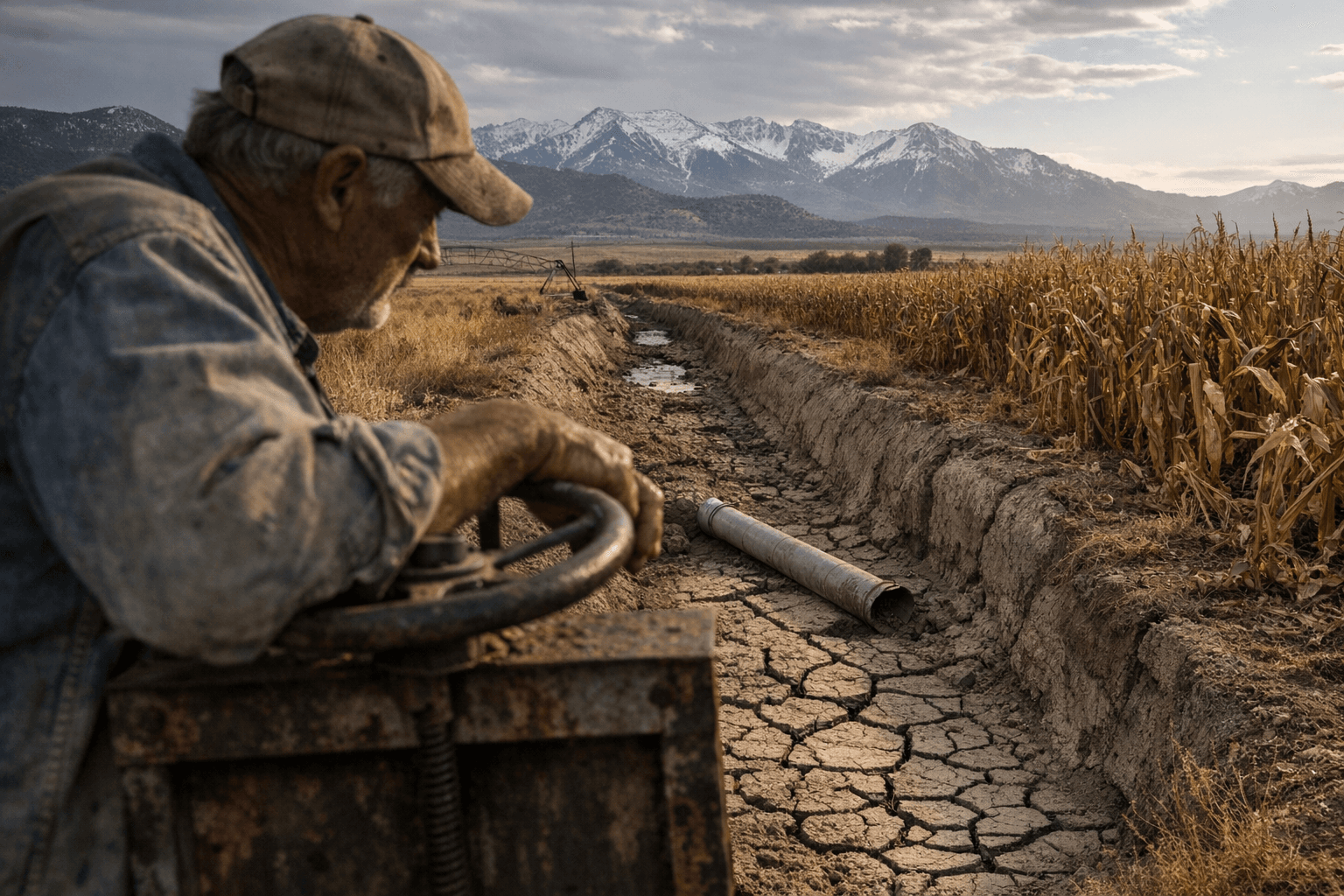
Local operations that depend on steady water deliveries will feel the impact immediately. Ditch riders and headgate operators will be watching allocations closely as water districts and reservoir managers calculate carryover and inflow estimates. Small irrigators with junior rights and those without storage will be most vulnerable to delivery cuts. Recreation businesses tied to rivers and reservoirs can expect shorter seasons and lower attendance if summer flows fall below recreational thresholds.
Policy implications are practical and immediate. Water managers will need to coordinate allocation plans, enforce calls where necessary, and consider temporary transfers or conservation measures to stretch supplies. County officials and irrigation districts may also accelerate communication about restrictions so producers can adjust planting and grazing plans.
For Dolores County residents, the short term means planning for tighter water use and evaluating operational changes for the growing season. Longer term, repeated low-snow years will push local stakeholders to rethink storage, conservation, and risk-sharing mechanisms that protect farms, ranches, and river-based recreation. Expect local water districts to issue more detailed guidance in the coming weeks as snowmelt forecasts and reservoir models are updated.
Sources:
Know something we missed? Have a correction or additional information?
Submit a Tip