Dow falls as oil prices rise and Middle East tensions deepen
Oil jumped more than 2% and the Dow fell 441 points as Middle East strikes pushed inflation fears higher, lifting Treasury yields and borrowing costs.

Rising oil prices and firmer Treasury yields hit Wall Street and household budgets at the same time, a combination that can feed through to gasoline, mortgages and credit-card bills if it lasts.
Stocks retreated after a string of record highs as a fresh Middle East flare-up pushed Brent crude futures up more than 2%. An Iranian missile attack damaged Kuwait’s airport, and U.S. military strikes near the Strait of Hormuz raised the risk of further supply disruption, a direct threat to global fuel costs and a new source of inflation pressure.

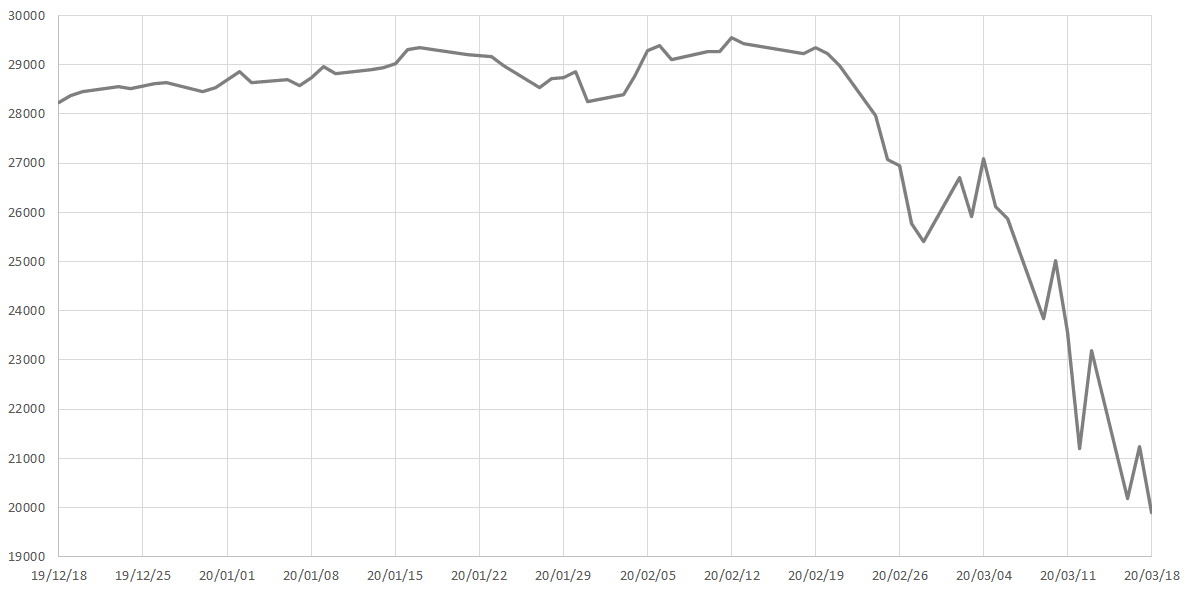
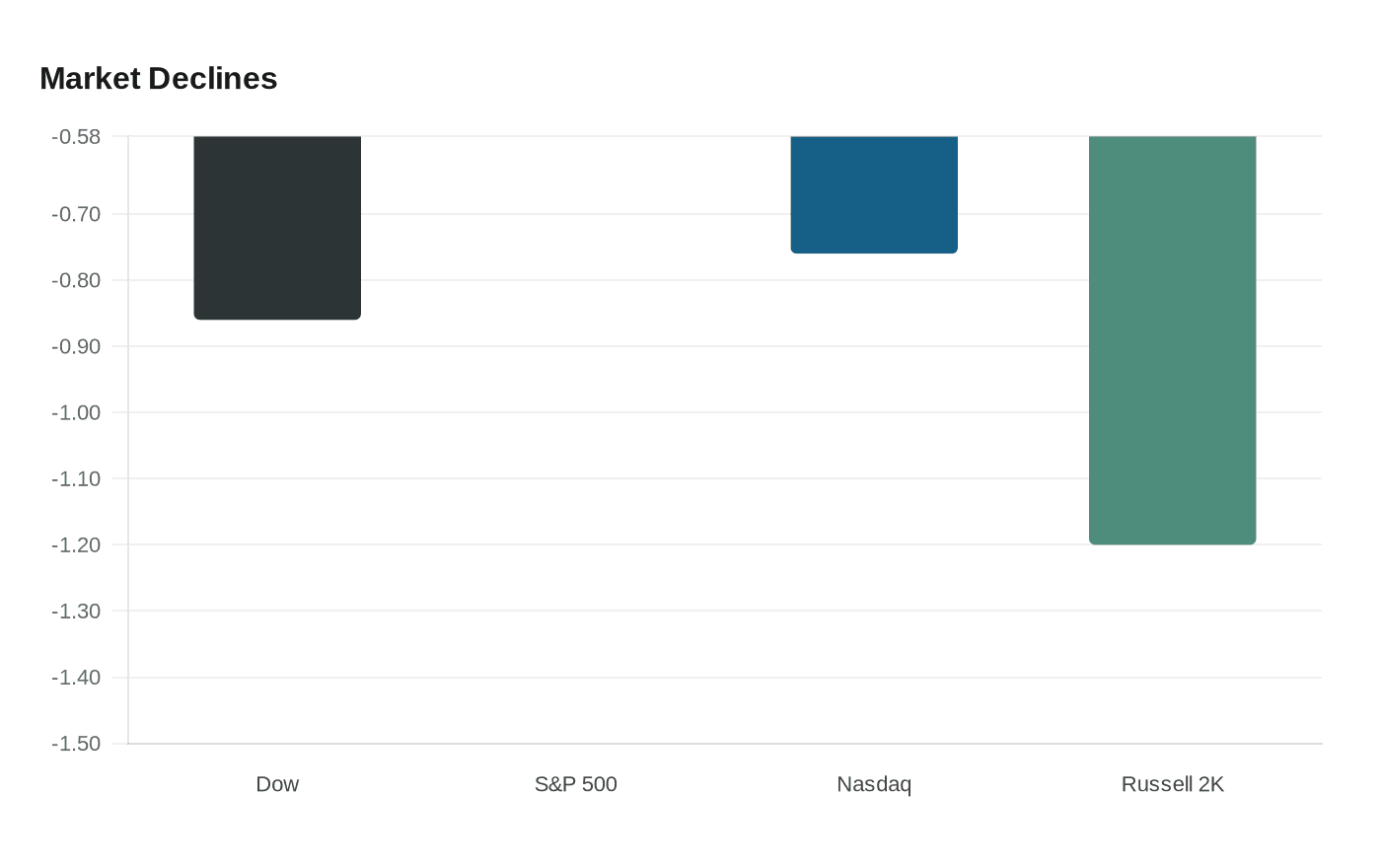
By late morning, the Dow Jones Industrial Average had fallen 441.72 points, or 0.86%, to 50,866.07. The S&P 500 lost 40.12 points, or 0.53%, to 7,569.52, and the Nasdaq Composite slipped 205.32 points, or 0.76%, to 26,888.58. The small-cap Russell 2000 dropped 1.2%. The pullback followed a record-setting run that had pushed the S&P 500 above 7,600 for the first time a day earlier.
The damage was concentrated in the parts of the market that had led the rally. Software stocks shed 4%, while Datadog, Palo Alto and IBM fell between 4.6% and 8.5%. Four of the 11 S&P 500 sectors were in the red, with financials leading declines. Asset managers also sold off after Switzerland’s Partners Group capped withdrawals from its $8.6 billion private equity fund, sending KKR, Blackstone, Blue Owl and Ares Management down between 3.8% and 4.9%.
The bond market added another layer of pressure. Treasury yields had already been climbing as traders digested the inflation risk from higher oil and the prospect of heavier government borrowing. In early May, the 30-year Treasury yield rose as high as 5.03%, while the 2-year yield climbed to 3.99%, signaling how quickly energy shocks can feed into broader borrowing costs.
For consumers, that matters well beyond Wall Street. Higher oil prices can lift pump prices and transportation costs, while higher yields can keep upward pressure on mortgage rates, auto loans and revolving credit. The latest U.S. services data showed businesses already preparing for shortages and higher prices tied to the Iran conflict, a sign the disruption is starting to filter into the real economy.
Investors now await Friday’s labor market report, which could shape expectations for Federal Reserve policy. New York Fed President John Williams said monetary policy was “in the right place” despite inflation worries, while money markets still see rates staying on hold for the rest of the year, with growing odds of another hike.
This article was produced by Prism’s automated news system from verified source data, official records, and press releases, then run through automated quality and moderation checks before publishing. The system is built and supervised by the people who set the standards it runs under. Read our full AI policy.
Know something we missed? Have a correction or additional information?
Submit a Tip