Perovskite catalyst turns waste heat into cheaper hydrogen
A Birmingham team said its perovskite catalyst cut hydrogen-making temperatures by about 500C, opening a path to turn industrial waste heat into cheaper clean fuel.
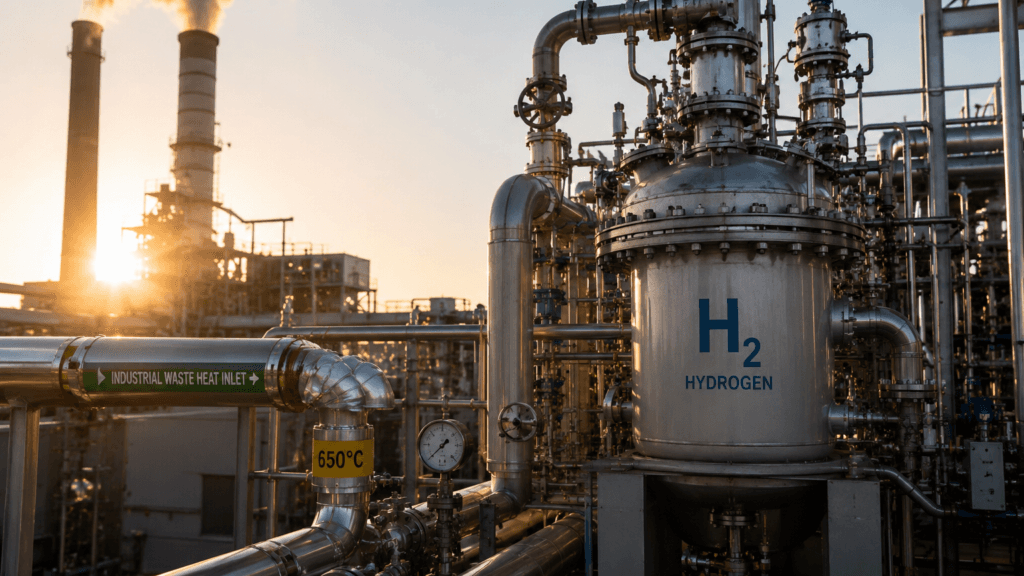
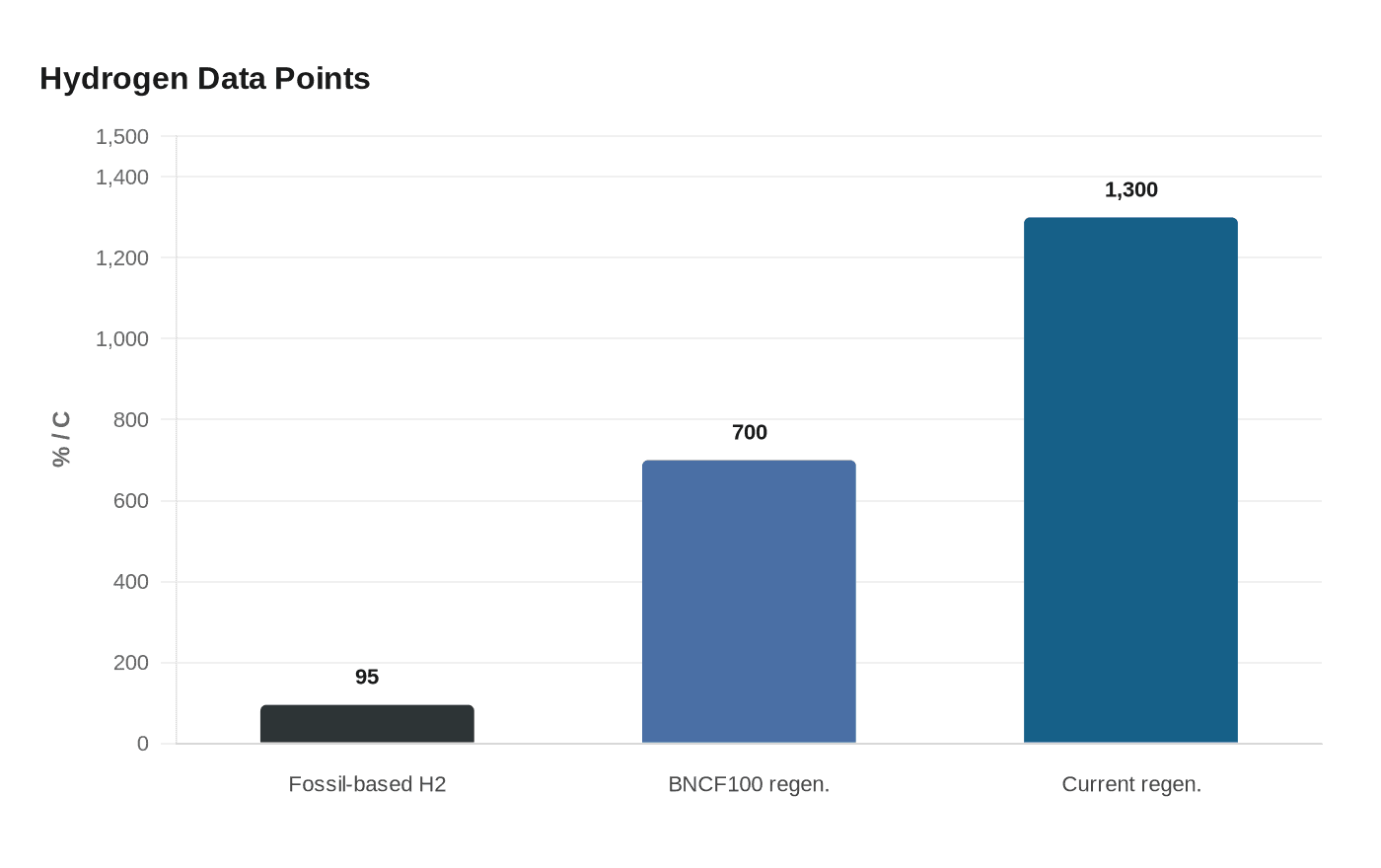
Industrial waste heat is becoming more than a liability if a University of Birmingham team can translate a perovskite catalyst from lab results to plant scale. The researchers said their BNCF100 material produced substantial hydrogen yields at 150-500C, then regenerated at 700-1000C, trimming the temperature barrier by about 500C versus existing thermochemical water-splitting catalysts.
That matters because hydrogen remains expensive precisely where industry needs it most. The university said about 95% of current hydrogen production still relies on fossil fuels, even though hydrogen is central to decarbonization plans for steel, cement, glass and chemicals, along with shipping and long-haul transport. By drawing on waste heat already shed by industrial sites and power plants, the Birmingham process could reduce the energy bill at the production stage, where economics often decide whether low-carbon hydrogen gets built at all.
The work, led by Professor Yulong Ding in Birmingham’s School of Chemical Engineering with the University of Science and Technology Beijing, was published April 30, 2026 in the International Journal of Hydrogen Energy. In reported experiments, the catalyst kept producing hydrogen over 10 cycles, a useful sign of durability but still a short test for an industrial material. Current catalysts typically split water at 700-1000C and need 1300-1500C for regeneration, so the lower operating range could open the door to both centralized hydrogen plants and on-site systems attached to high-temperature factories.
A provisional cost-competitiveness analysis strengthened the case. The university said the perovskite route could deliver hydrogen at lower cost than green hydrogen made through electrolysis and blue hydrogen made from methane with carbon capture and storage, with the biggest edge in places with low renewable-energy tariffs such as Australia. That is a market signal as much as a technical one: cheap power remains the main variable in hydrogen economics, and any process that can reuse industrial heat instead of buying more electricity could narrow the gap between policy ambition and commercial deployment.
The commercial hurdles are still substantial. A patent application has been filed, and Birmingham is seeking development partners in the United Kingdom and Europe, but scale-up, long-term durability and integration into existing steel, cement, glass and chemical operations will determine whether BNCF100 becomes a niche lab success or a tool for industrial decarbonization. If the catalyst holds up, waste heat could shift from an unavoidable byproduct to a feedstock for lower-cost hydrogen.
This article was produced by Prism’s automated news system from verified source data, official records, and press releases, then run through automated quality and moderation checks before publishing. The system is built and supervised by the people who set the standards it runs under. Read our full AI policy.
Know something we missed? Have a correction or additional information?
Submit a Tip