DTU and Novonesis engineer yeast to turn CO2 into protein at scale
DTU and Novonesis are using acetate-fed yeast to turn waste CO2 into food-grade protein. The promise is a cleaner supply chain; the hurdle is cost.
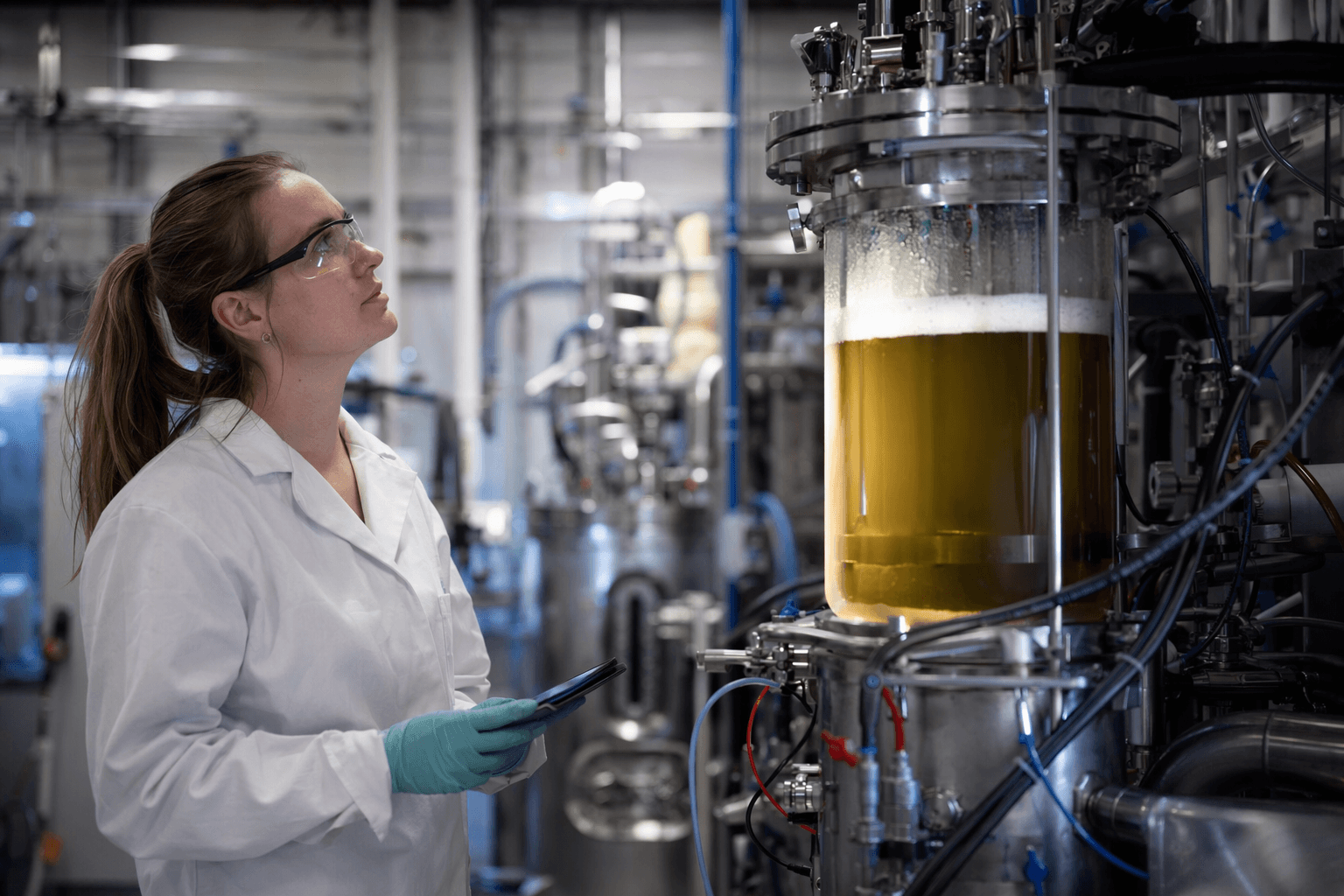
DTU and Novonesis are taking a serious run at one of the most intriguing ideas in carbon utilization: make yeast grow on carbon that starts as waste CO2, not sugar or starch. The pair is engineering strains to convert CO2 into food-grade protein at industrial scale, using acetate as the key intermediate, and that choice says a lot about where the real work sits. The breakthrough is not just capturing carbon. It is teaching a microorganism to tolerate acetate, move faster through fermentation, and still deliver a useful protein yield.
BRIGHT Biofoundry at DTU is using adaptive laboratory evolution to push yeast harder against acetic acid stress, while Novonesis is bringing its cell-factory playbook to the table. That matters because the commercial bottleneck is not the headline chemistry. It is whether the platform can run cleanly, cheaply, and repeatedly enough to make ingredient buyers care. Food Ingredients First said the effort is aimed at improving acetate-based microbial production, shortening fermentation times, and trimming costs. That is the right target. In alternative proteins, yield alone does not clear the market. Cost per kilogram and plant uptime do.
Novonesis says its process converts captured CO2 into acetate through electrochemical steps, then feeds that acetate to specialized microorganisms for protein fermentation. In other words, it bypasses the usual sugar or starch inputs that keep many fermentation systems tied to agriculture. That is the real commercial angle here. If the process can scale, it could free protein production from land-intensive feedstocks and give manufacturers a route that is less exposed to crop volatility. Novonesis has even said the concept could, in theory, turn the annual CO2 emissions from a single industrial plant into enough protein to feed up to one billion people, a striking figure that is still more a systems-level possibility than an output forecast.
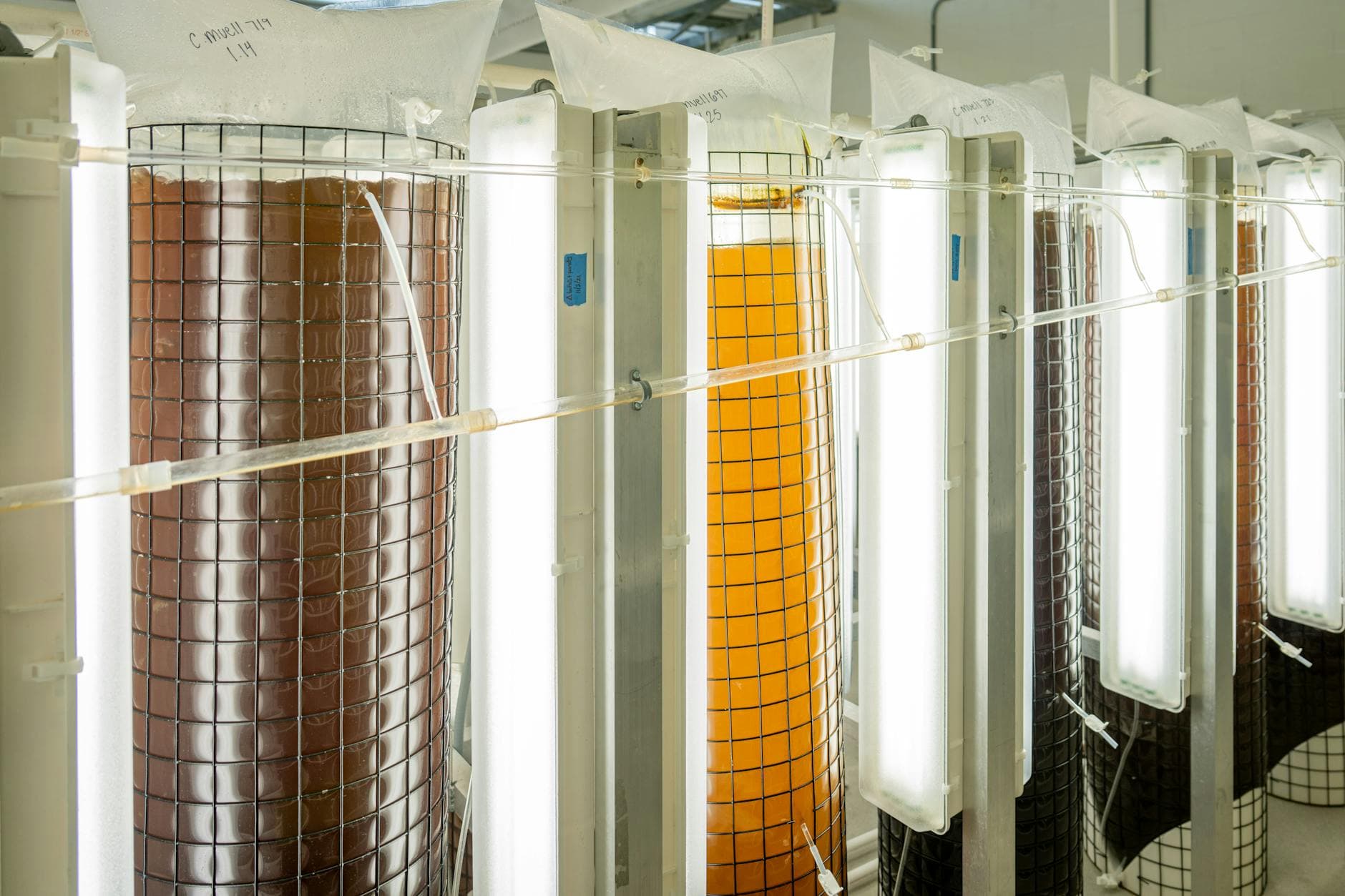
The environmental math is the reason the project draws attention. The April 16 digest cited estimates of 10 to 100 times lower greenhouse-gas emissions, 100 to 1,000 times less land use, and 10 to 200 times less water use than conventional protein sources. Those are the kind of numbers that can justify investment, but only if the economics move in the same direction. Protein Report also flagged the central caveat: commercial viability still depends on narrowing the cost gap with plant- and animal-derived alternatives.
That is why this looks less like a finished product and more like a credible platform bet. DTU’s BRIGHT initiative has DKK 1 billion in funding from the Novo Nordisk Foundation, and Dutch professor Luuk van der Wielen now leads the program. Novonesis brings a long record in recombinant cell factories dating back to 1986. Together, they are building infrastructure, not hype. If they can make CO2-derived protein run at food-grade scale without punishing energy use or runaway costs, the sector gets a new supply model. If not, it stays where most promising carbon-to-food concepts land: impressive, but still a pilot.
Know something we missed? Have a correction or additional information?
Submit a Tip