Plant-derived bacteria boost soy yogurt safety, nutrition, and digestibility
Plant-isolated Enterococcus strains helped soy milk ferment below pH 4.7, while also cutting bloating sugars and phytic acid.
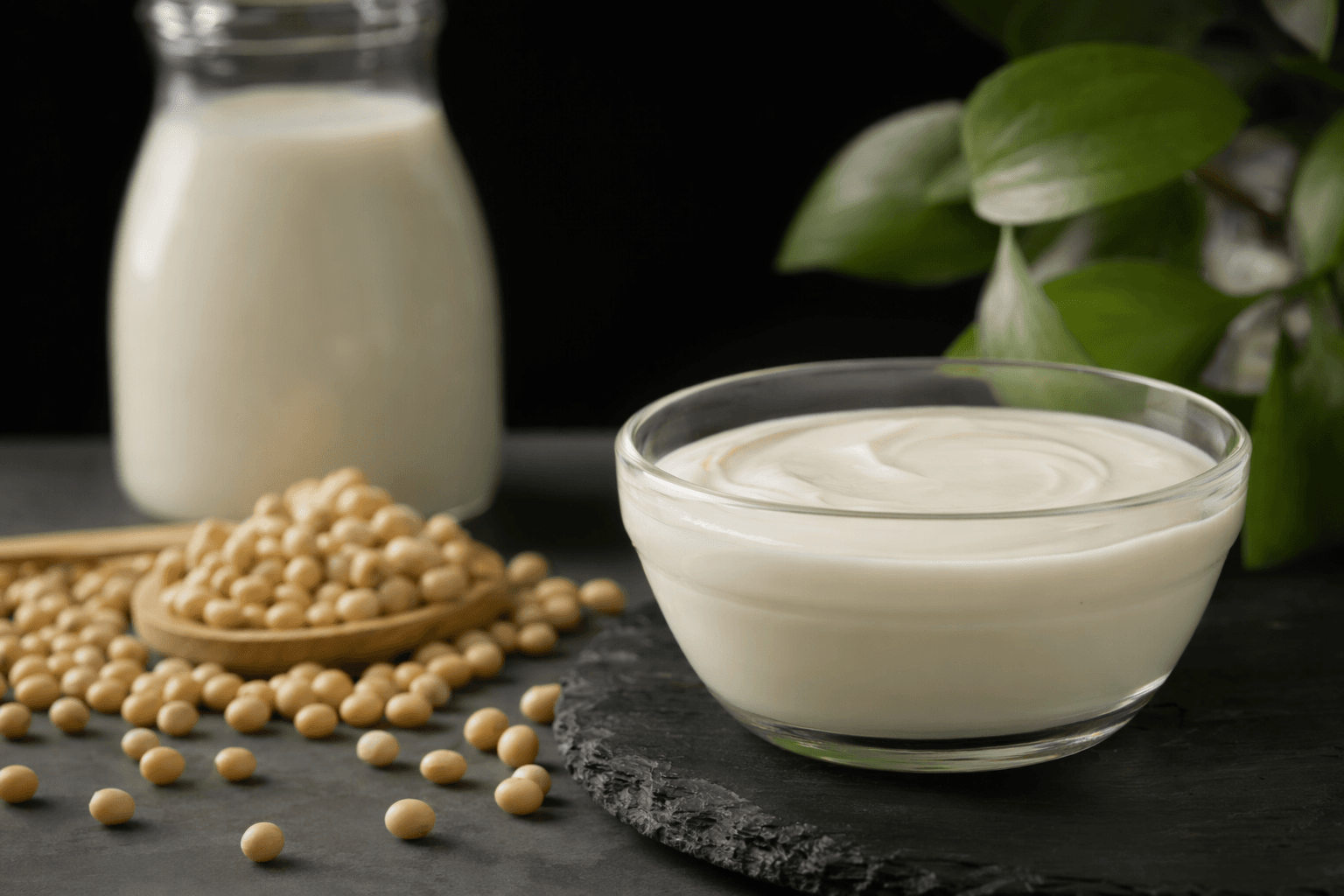
Soy yogurt has long had a repeat-purchase problem: the texture can be thin, the flavor can be off, and the nutrition story often feels like a compromise. Researchers tied to the Technical University of Denmark now say a better starter culture could fix several of those issues at once, using bacteria pulled from plants rather than the dairy toolbox industry has leaned on for years.
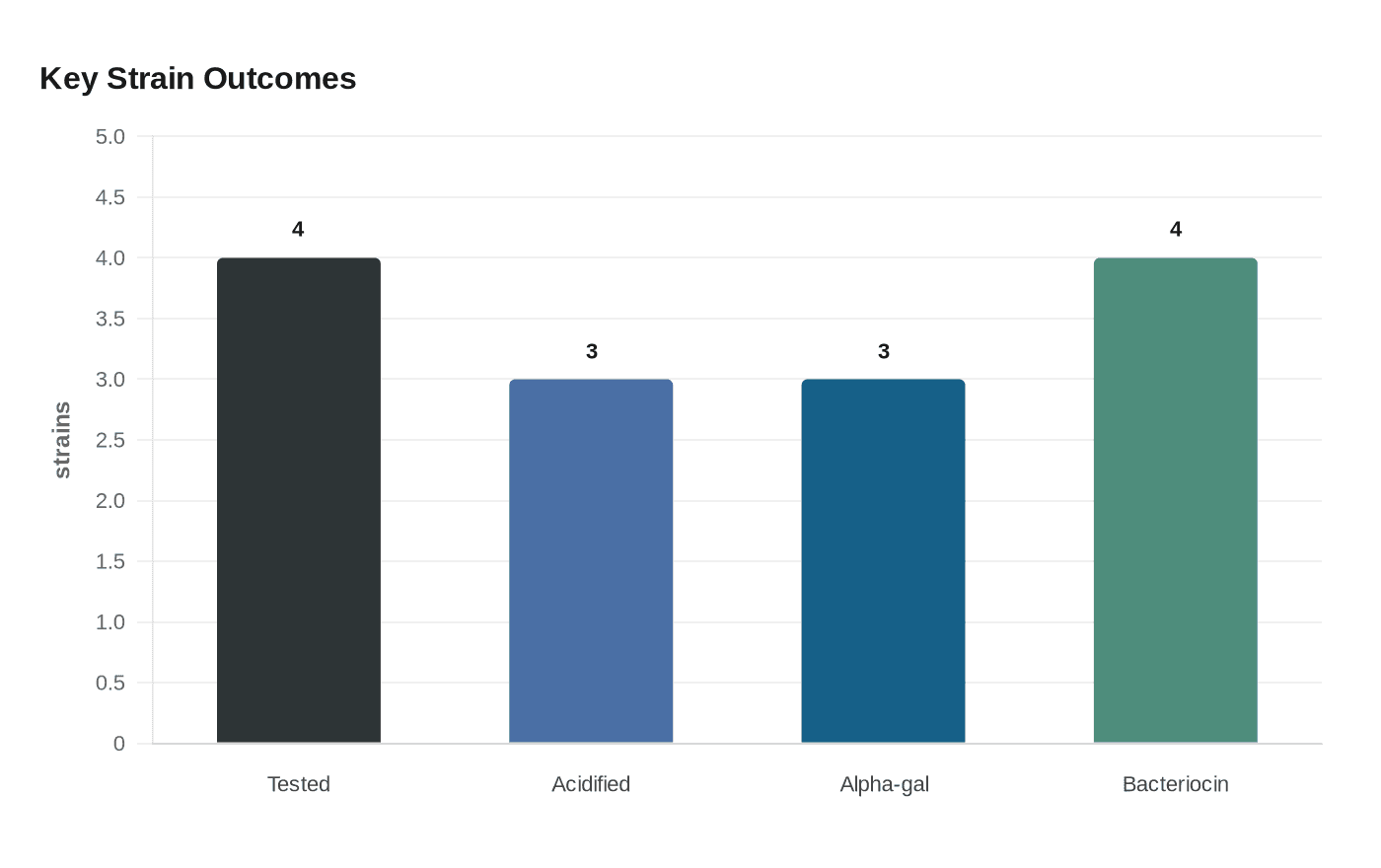
The new work, published in the Journal of Food Protection as article 100715, tested four strains, Enterococcus faecium BT0194, Enterococcus lactis B0167_2, E. lactis BT0173_2 and E. lactis CS4674. Three of them acidified plain soymilk to below pH 4.7 with an initial inoculum of 10^6 cells/ml, a practical marker for turning a drink into something that behaves more like yogurt. DTU said the strains also showed stronger antimicrobial activity and better acidification than enterococci already on the market and approved for food and feed.
That matters because plant-based yogurt is still often built with cultures designed for cow’s milk. DTU’s own explanation is blunt: plant substrates differ sharply from milk because they contain no lactose, and plant proteins are harder to break down. In other words, soy is not just milk without the cow. It needs microbes that fit the substrate, and that is where these isolates stand out. The researchers found that all four strains carried multiple bacteriocin genes, and three showed alpha-galactosidase activity, which helps break down raffinose, stachyose and verbascose, the soy sugars tied to bloating and other digestive complaints.
The nutrition angle is just as important. All of the tested strains degraded phytic acid in soymilk, which could help minerals stay available instead of getting trapped by an antinutrient. DTU also said the bacteria produced compounds that contributed to texture, making the yogurt creamier. That combination of safety, mouthfeel and digestibility is exactly what plant-based dairy has been missing when products stall after the first trial purchase.
The broader line of work from DTU points in the same direction. In a 2021 study, soy drink blended with 20% liquid brewers’ spent grain and fermented with plant-adapted lactic acid bacteria produced a product whose texture and sensory profile mimicked dairy yogurt. DTU linked that kind of side-stream reuse to Europe’s more than 88 million tons of annual food waste. Before any of these strains reach commercial starter cultures, EFSA approval would still be required. Even so, the commercial signal is hard to miss: the next leap in soy yogurt may come from precision microbiology, not more protein powder.
Know something we missed? Have a correction or additional information?
Submit a Tip