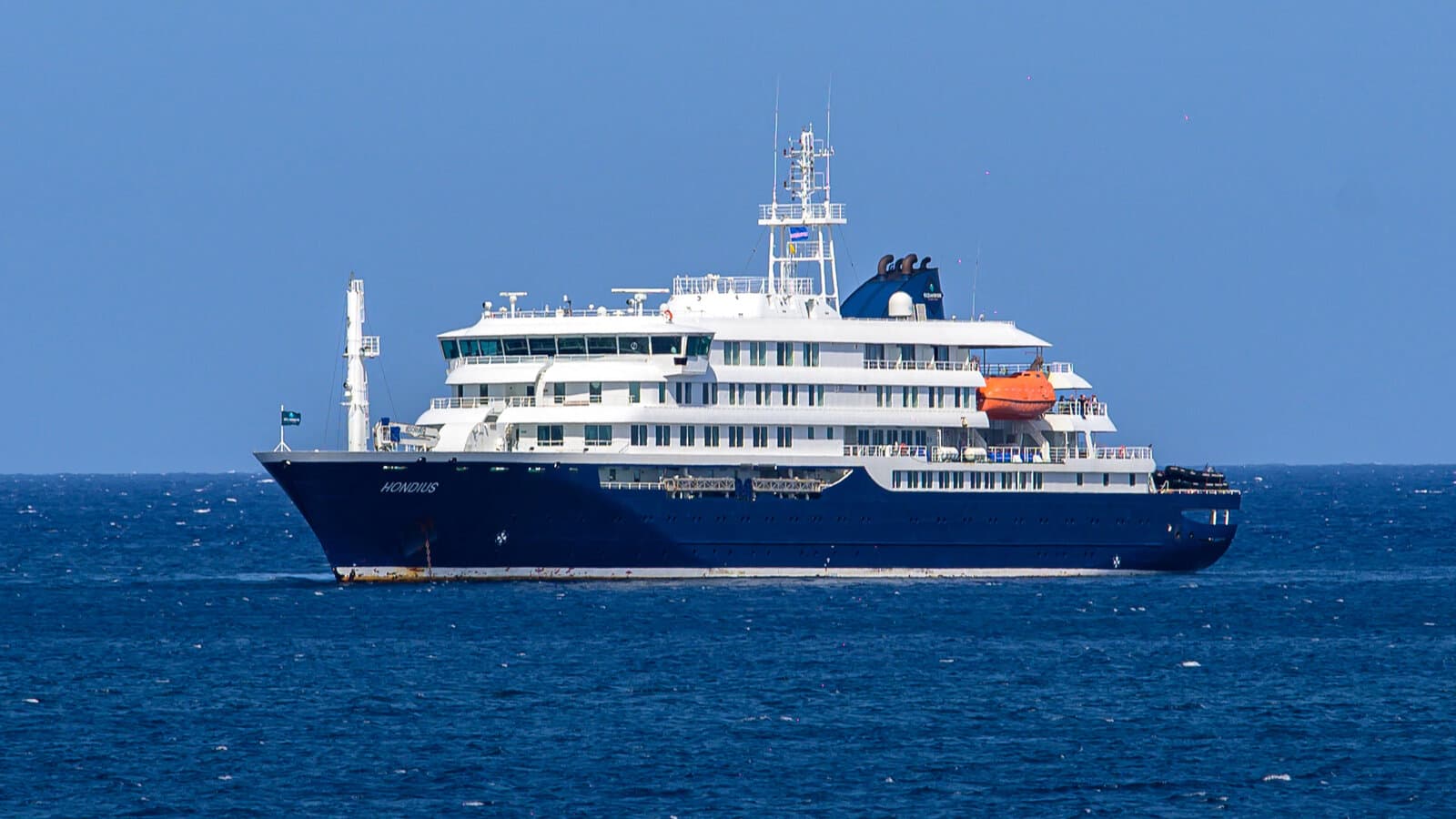
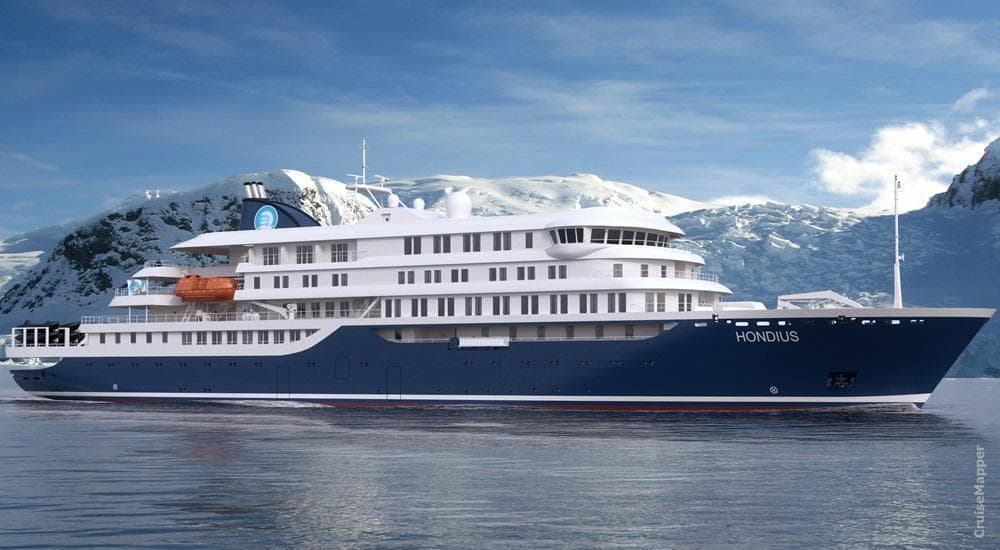
Dutch cruise ship hantavirus cluster leaves three dead, officials trace contacts
Three people died in a hantavirus cluster aboard the MV Hondius, while Dutch and international officials traced contacts and said the wider public risk stayed low.
Three deaths aboard the Dutch-flagged cruise ship MV Hondius have triggered a cross-border contact trace, but health officials say the episode looks like a tightly contained travel-linked cluster, not a sign of broad spread in the Netherlands.
The ship left Ushuaia, Argentina, on April 1 with 147 people on board, 88 passengers and 59 crew members from 23 nationalities. By May 4, the World Health Organization said seven cases had been identified in the cluster, including two laboratory-confirmed hantavirus infections, five suspected cases, three deaths, one critically ill patient and three people with mild symptoms. On May 7, WHO updated the tally to eight reported cases, with five confirmed as hantavirus. Illness onset dates fell between April 6 and April 28.
The virus identified on board was Andes virus, according to the Dutch public health institute RIVM. That matters because Andes virus behaves differently from the hantaviruses usually seen in the Netherlands. RIVM says the country’s known human disease cases are caused by Puumalavirus, Seoulvirus and Tulavirus, and about 90% of Dutch infections cause no symptoms. In Europe, hantavirus deaths are generally below 1%. Andes virus, by contrast, can cause far more severe lung and heart problems and carries a reported fatality rate of 30% to 50%.
Officials are treating this as a narrow transmission risk, not a generalized public-health threat. RIVM said Andes virus can spread from person to person, but only very rarely and only with very close contact. It said the risk of spread in the Netherlands remains very small, and that strict measures including isolation, quarantine and cabin confinement were already in place. That makes the two infected patients isolated in Dutch hospitals more consistent with a travel-associated cluster than with evidence of wider community transmission.
WHO said its public-health risk assessment for the global population remained low, even as it warned that more cases could still emerge because of the incubation period. The agency deployed an expert onboard to support medical assessment and arranged for 2,500 diagnostic kits to be sent from Argentina to laboratories in five countries. The Dutch Ministry of Foreign Affairs is working with other parties on medical evacuation and repatriation, while WHO, the European Centre for Disease Prevention and Control and other bodies coordinate information exchange. For now, the key question is not panic, but containment: whether contact tracing can keep a rare, severe virus from moving beyond the ship.
Know something we missed? Have a correction or additional information?
Submit a Tip