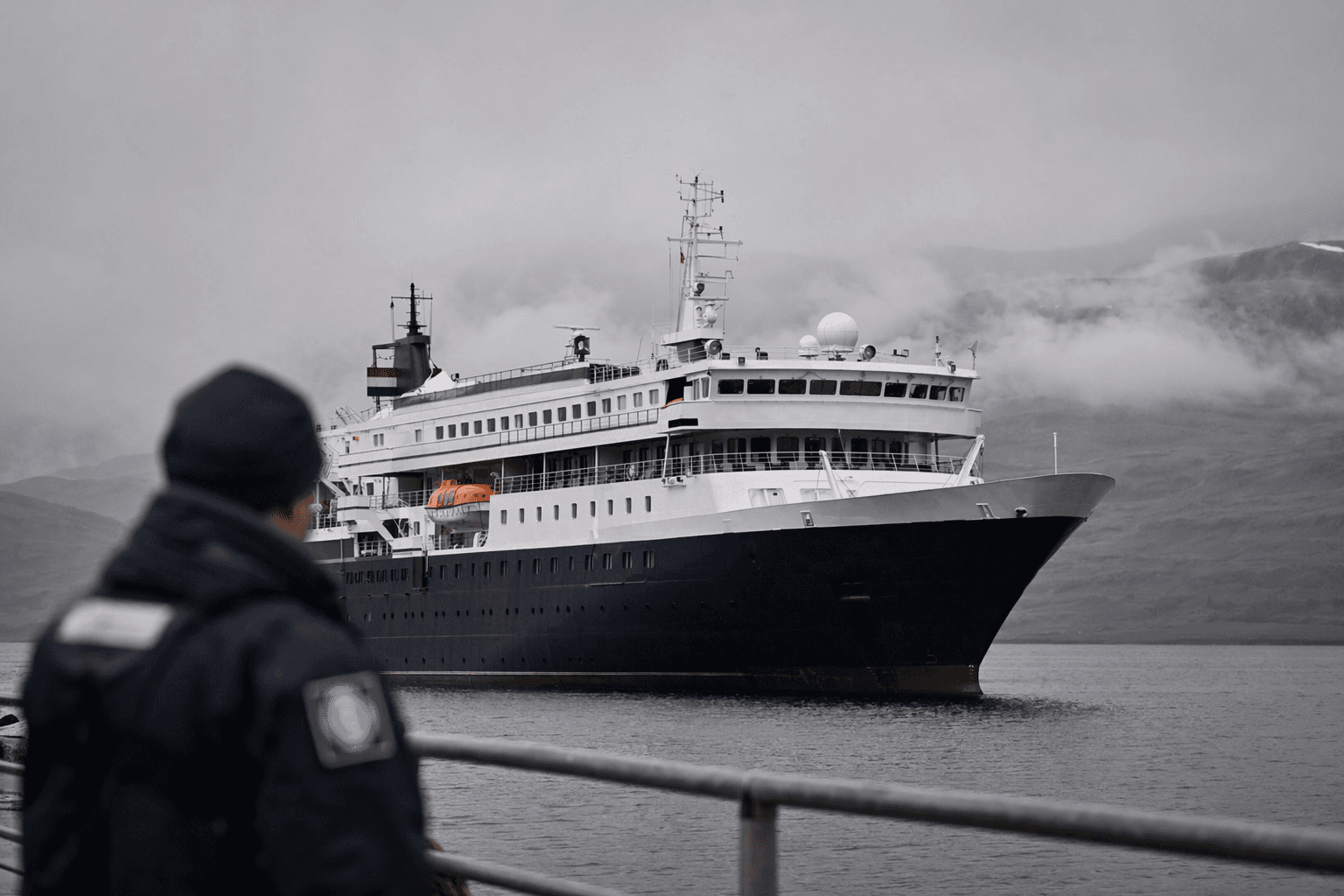
WHO probes deadly hantavirus outbreak aboard Dutch cruise ship in South Atlantic
A hantavirus outbreak aboard the MV Hondius has killed three people, but WHO says the risk remains low despite exposed passengers now being tracked in at least 12 countries.
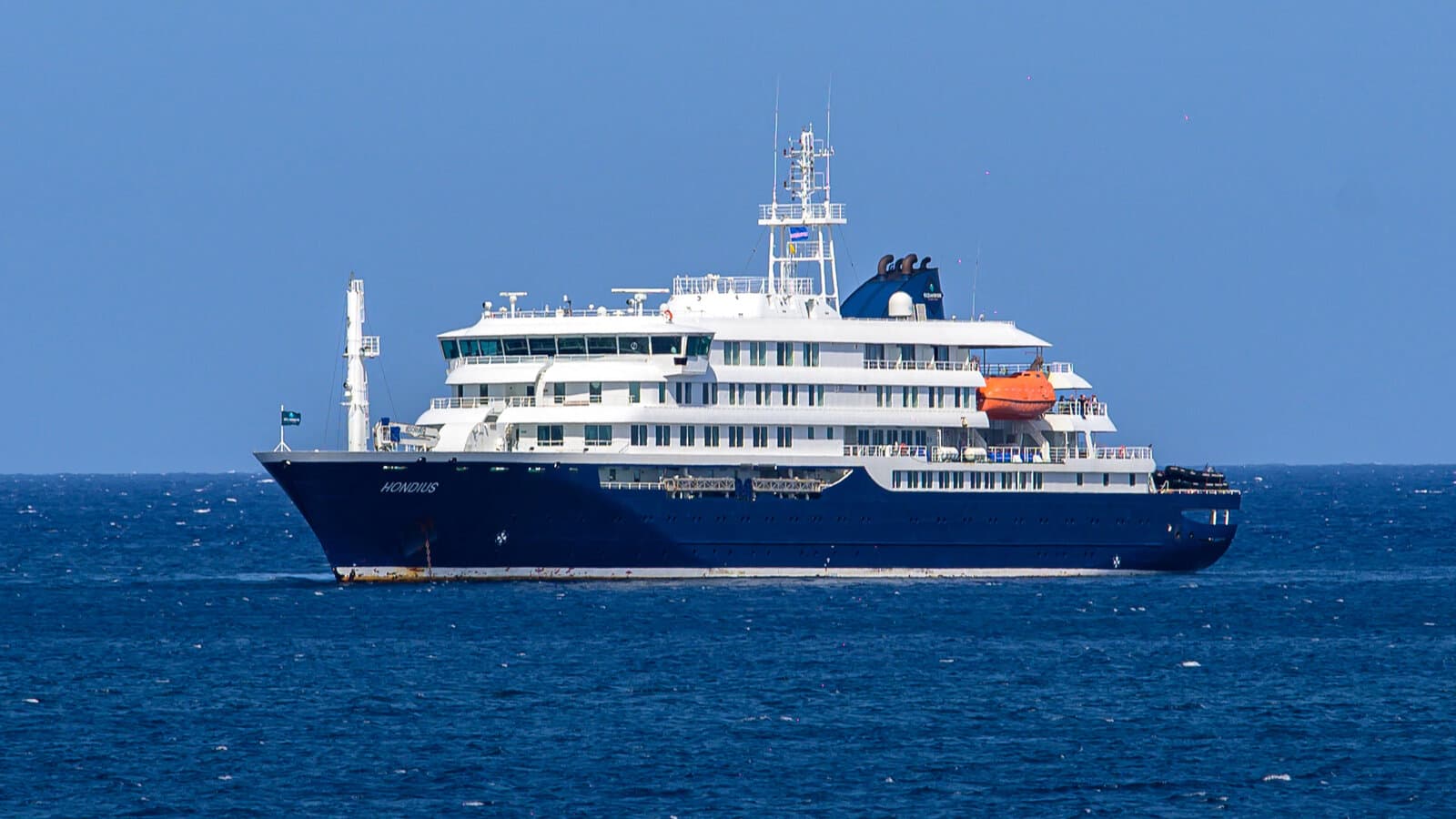
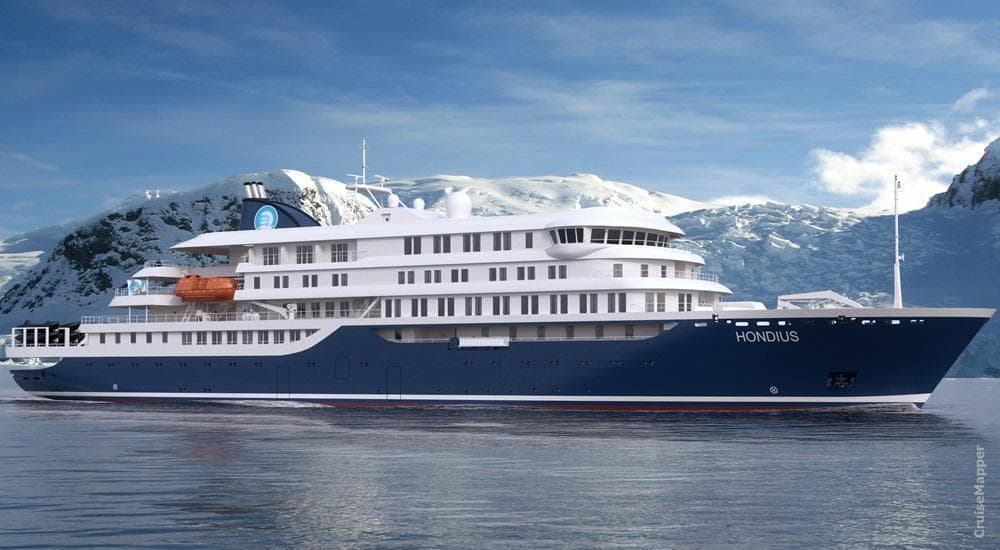
Health officials are tracing a deadly hantavirus outbreak on the Dutch-flagged expedition ship MV Hondius, where seven cases have been identified so far, including two laboratory-confirmed infections, five suspected cases and three deaths. The World Health Organization said the global public risk remains low, even as the ship sat off the coast of Cabo Verde and two symptomatic passengers were being medically evacuated.
The case count and the pace of illness point to why investigators believe the event is contained rather than a broad international threat. Illness onset ran from 6 to 28 April, and WHO said limited human-to-human transmission has been reported in past outbreaks of Andes virus, the strain implicated here. South African analysis of the viral samples found no mutations, a sign that the virus has not shown the changes that would suggest a more dangerous spread pattern. Health officials also said there were no rats aboard, and experts believe the first infected passenger likely picked up the virus before boarding, although exposure on land or during the voyage has not been ruled out.
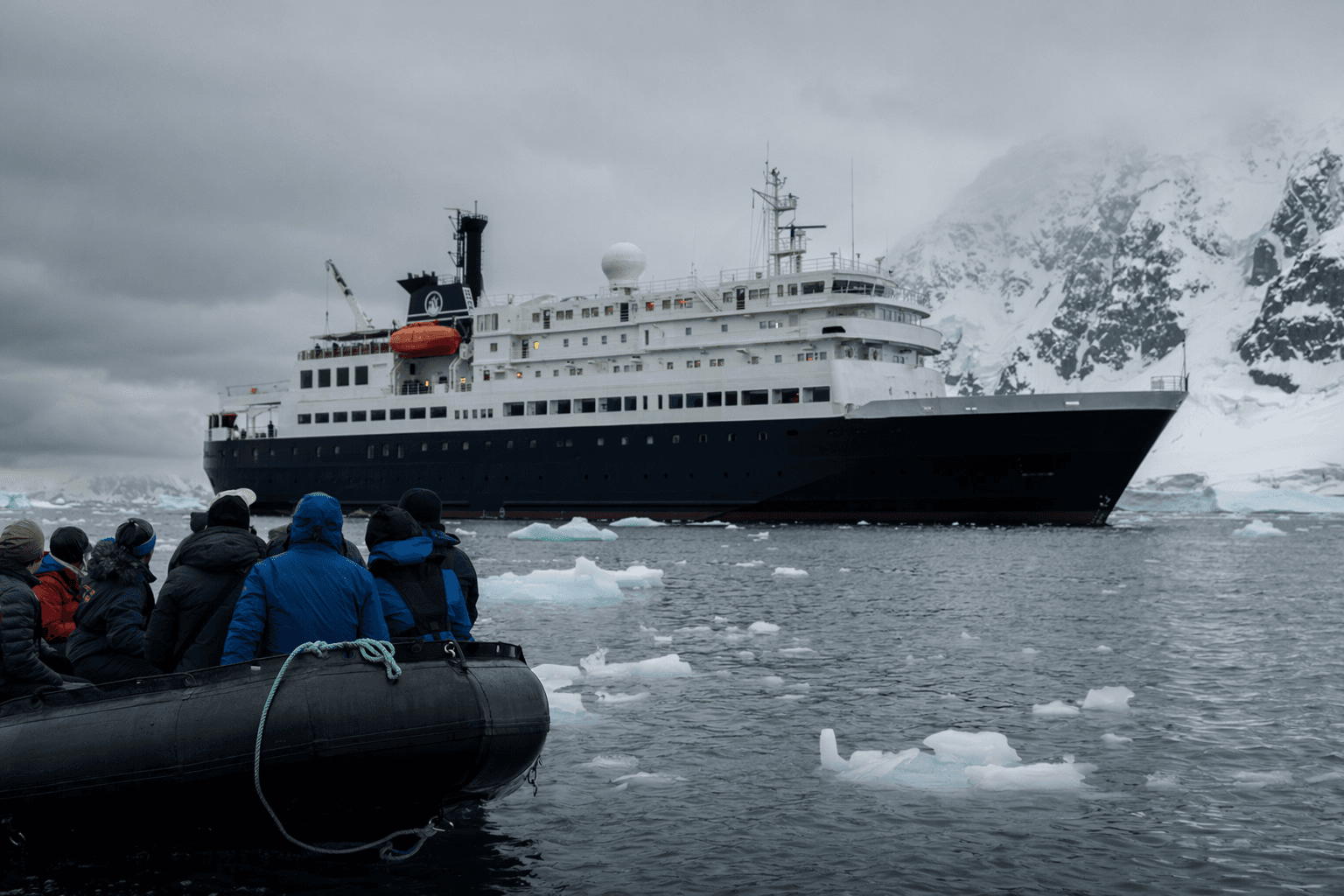
The outbreak began on a voyage that left Ushuaia, Argentina, on 1 April with 147 passengers and crew, 88 passengers and 59 crew members from 23 nationalities. The itinerary included mainland Antarctica, South Georgia, Nightingale Island, Tristan da Cunha, Saint Helena and Ascension Island. Oceanwide Expeditions said 30 guests disembarked in Saint Helena on 24 April after the first death, and one of those passengers, a Dutch woman whose husband died on board, deteriorated on a flight from Saint Helena to Johannesburg on 25 April and later died in South Africa. The company said the first man who died on the ship was not initially tested because hantavirus was not suspected.
The passenger trail quickly widened the investigation. Public-health officials in at least 12 countries, including Canada, Denmark, Germany, the Netherlands, New Zealand, Singapore, Sweden, Switzerland, Turkey, the United Kingdom and the United States, were watching people who had already left the ship before the diagnosis was confirmed. In the U.S., five states said they were monitoring exposed travelers and had not seen symptoms among them. In Amsterdam, a KLM flight attendant who briefly boarded the woman’s flight in Johannesburg was hospitalized in isolation for testing, and Dutch health officials said additional passengers, including a French national, were also being evaluated.
WHO and national authorities are coordinating evacuations, laboratory testing and genetic sequencing while the vessel awaits further inspection and disinfection, with plans to continue toward Spain’s Canary Islands. WHO officials have stressed that this outbreak is not a COVID-like event and that there is no need for panic or travel restrictions, a message meant to match the evidence: serious illness on board, but a transmission pattern that still appears limited.
Know something we missed? Have a correction or additional information?
Submit a Tip