TrumpRx promises drug savings, but analysts say reality is more complicated
TrumpRx launched with 43 drugs from five makers, but KFF said only eight routed shoppers to pharmacies and the discounts mostly skipped insured patients.
President Donald Trump made lower drug prices a signature pledge of his second term, but the first major test of that promise showed how much of the savings may be narrower than the marketing suggests. Trump signed an executive order on April 15, 2025, framing the effort as an extension of first-term actions that included insulin copay caps for Medicare beneficiaries, transparency rules, expanded importation pathways and pressure on manufacturers to pass discounts through to patients.
The White House then launched TrumpRx.gov on February 5, 2026, with a splashy rollout that said patients could find lower prices on some of the country’s most expensive medicines. The first wave included drugs from AstraZeneca, Eli Lilly, EMD Serono, Novo Nordisk and Pfizer, and the White House said 43 prescription medications from those five manufacturers were initially listed.
But the savings are not being delivered through a simple checkout process. KFF said TrumpRx is not a direct-to-consumer purchasing site and often functions as a portal that sends people to printable manufacturer coupons or to manufacturer websites. As of February 20, 2026, KFF found that only eight of the advertised drugs directed users to specific pharmacies where they could buy the medicine at the discounted price. KFF also said the discounts generally applied to self-pay or cash-pay purchases, not to most insured patients using their coverage.
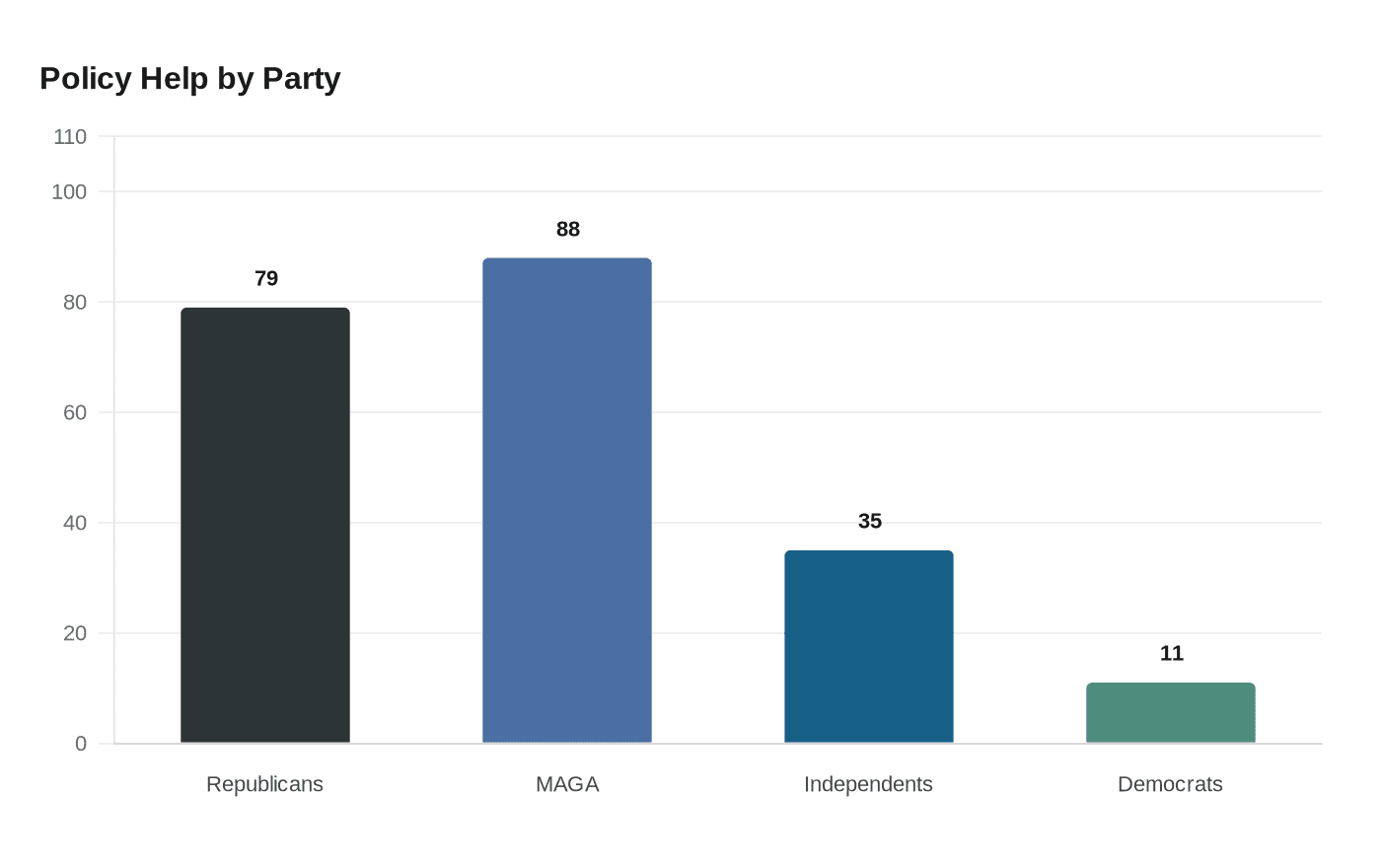
That distinction matters because prescription drug affordability remains a widespread concern. A March 2026 KFF poll found that 59% of adults were worried about affording prescription drugs for themselves or their families, the highest share since KFF began asking in 2018. Only 41% said Trump administration policies were likely to lower drug costs for people like them. Confidence split sharply along party lines, with 79% of Republicans and 88% of MAGA supporters expecting the policies to help, compared with 35% of independents and 11% of Democrats.
The broader price gap also remains stubborn. RAND Corporation found in 2024 that U.S. prescription drug prices averaged 2.78 times those in 33 other OECD countries, while brand-name drugs averaged 4.22 times the prices in those comparison nations. Against that backdrop, even real discounts may look modest if they reach only cash-paying shoppers rather than the insured majority.
TrumpRx has also collided with Medicare’s existing drug-price overhaul. CMS announced negotiated prices for 15 high-cost Part D drugs under the Inflation Reduction Act in November 2025, and KFF said the Trump administration’s voluntary, MFN-style deals sat on top of that Biden-era program, creating overlap and confusion. One example highlighted by KFF showed the Medicare negotiated price for semaglutide at $274, above the $245 Trump deal price, leaving unclear which number would actually matter for patients. In a market where list prices, coupon prices and negotiated Medicare prices can all point in different directions, the real test is not the headline discount but the amount Americans actually pay at the counter.
This article was produced by Prism’s automated news system from verified source data, official records, and press releases, then run through automated quality and moderation checks before publishing. The system is built and supervised by the people who set the standards it runs under. Read our full AI policy.
Did this article answer your question?