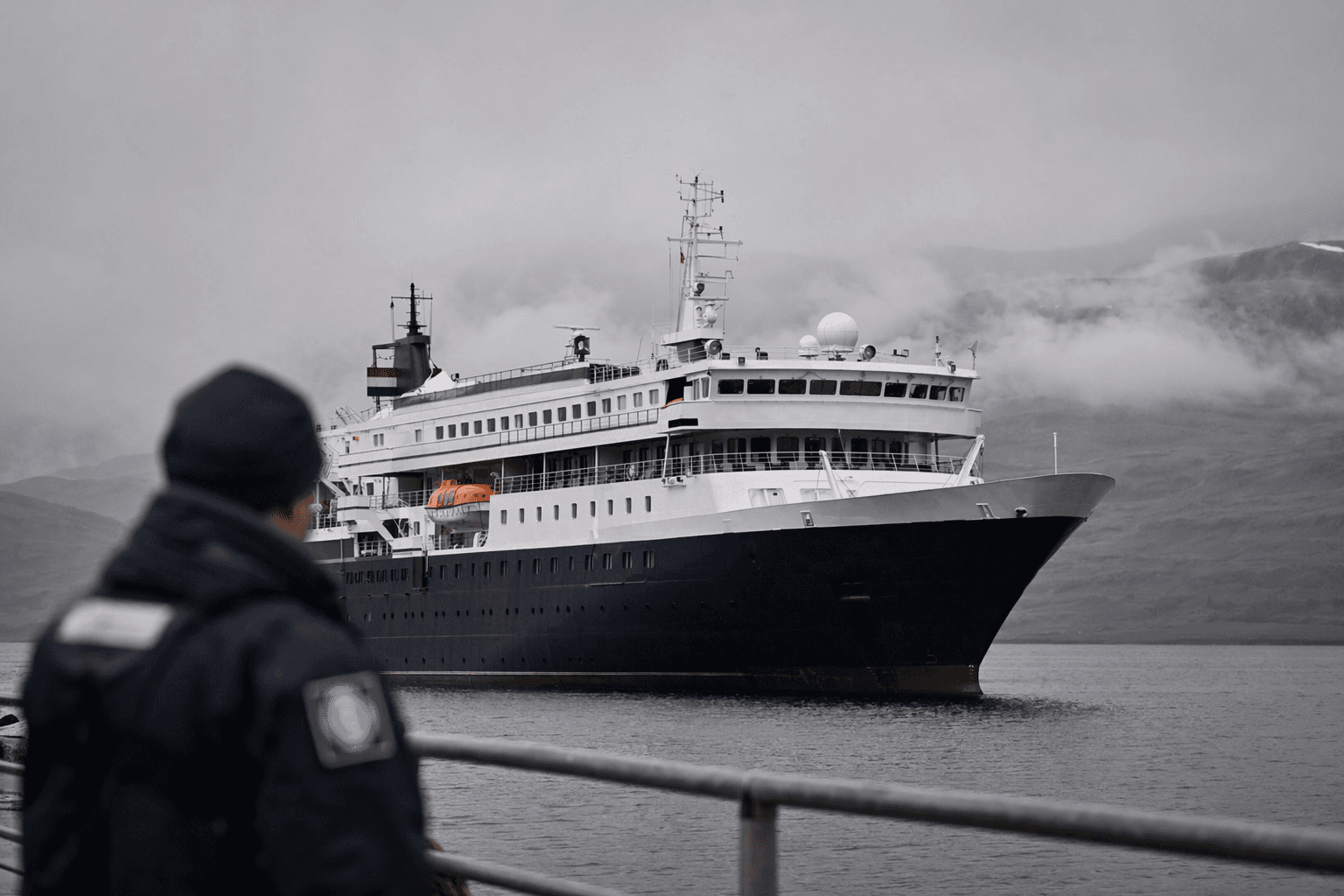
WHO says cruise ship hantavirus outbreak poses low global risk
A hantavirus cluster aboard the MV Hondius has spread to eight cases and three deaths, but WHO says the global risk remains low.
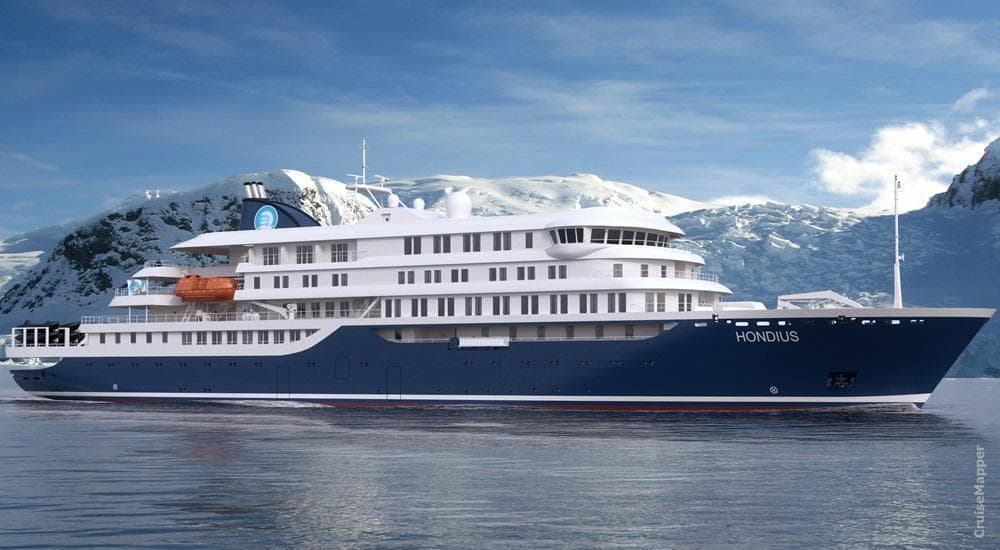
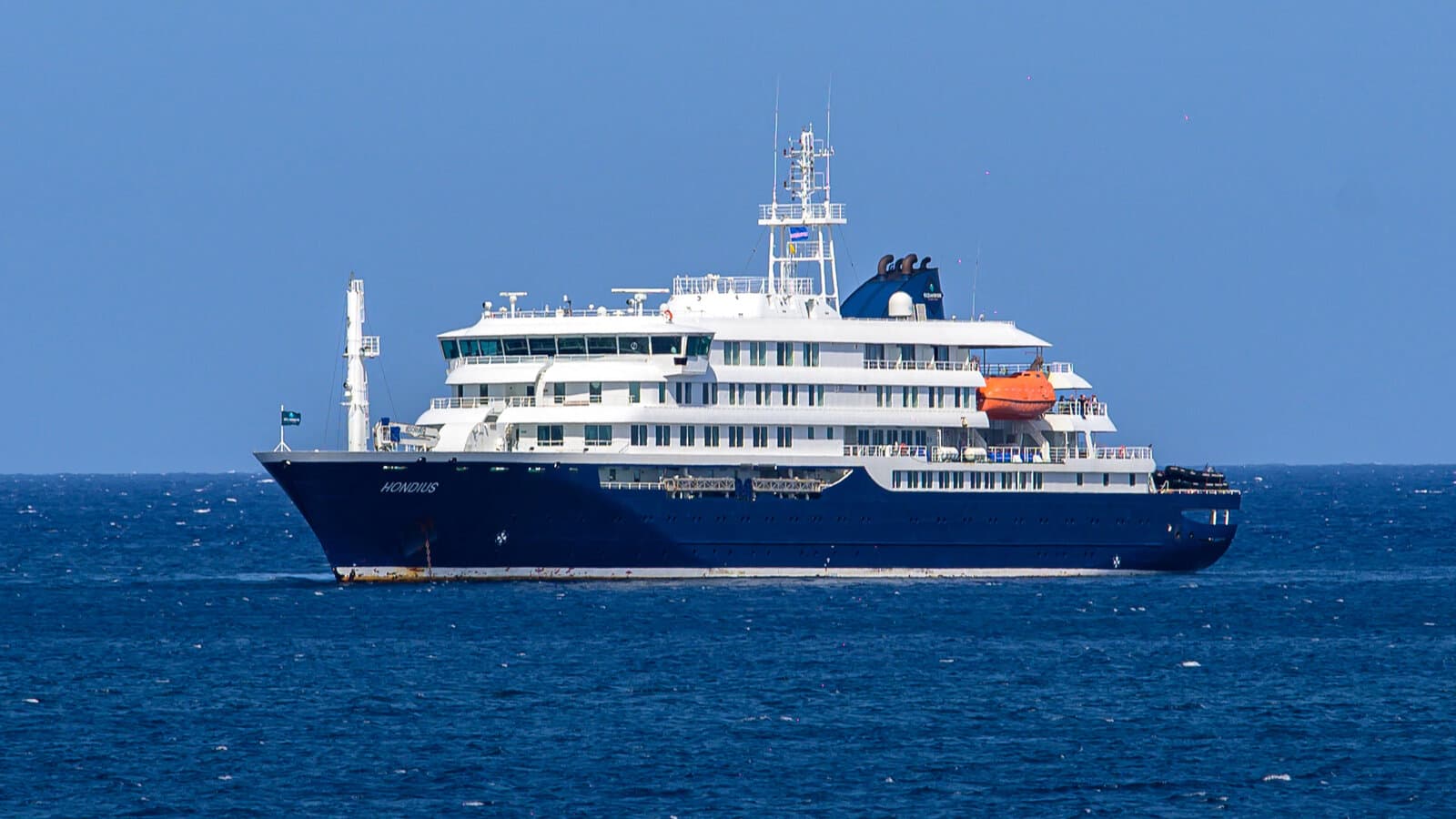
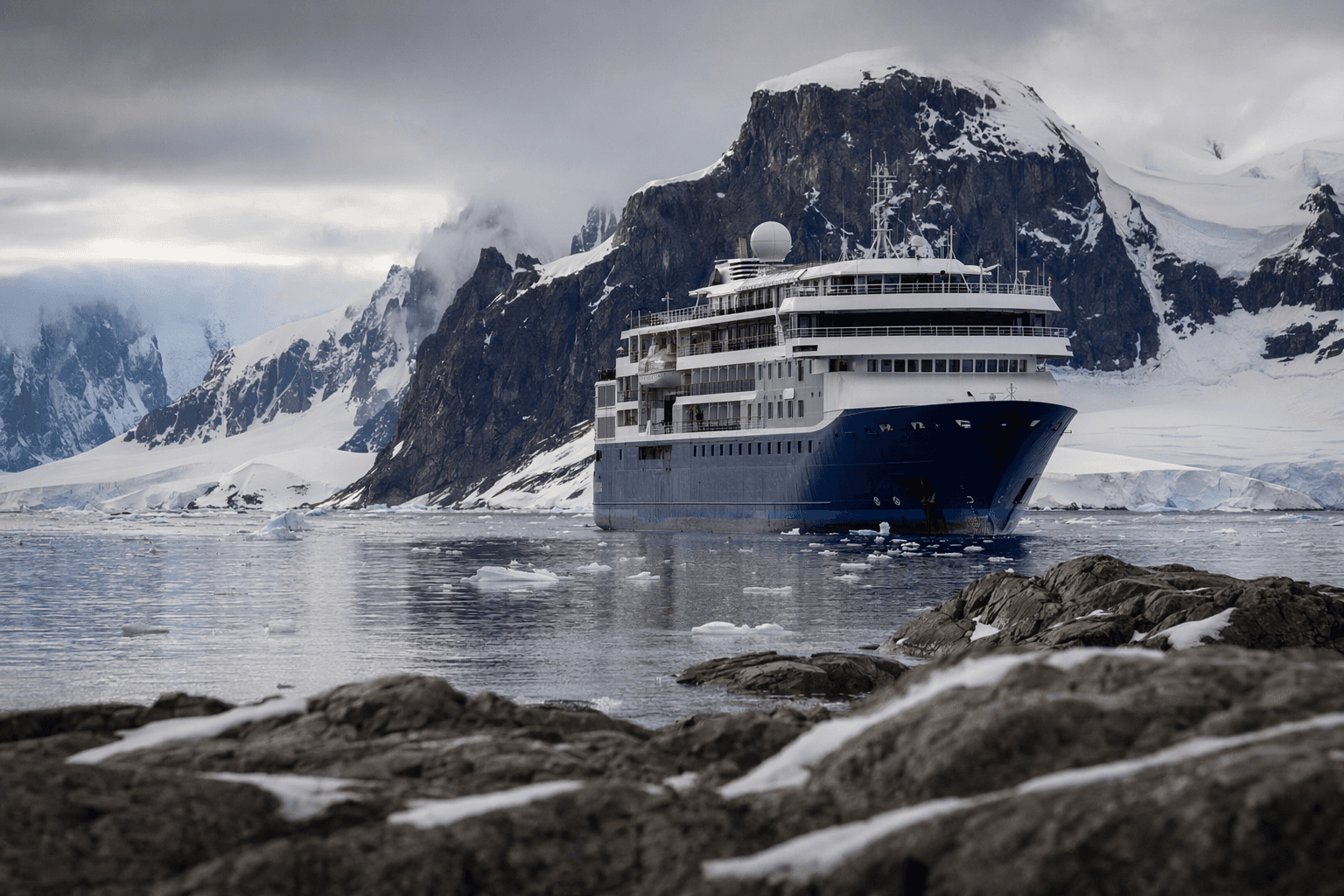
The World Health Organization said a hantavirus cluster tied to the Dutch-flagged cruise ship MV Hondius posed a low global public health risk even as cases rose to eight, including three deaths. The ship carried 147 people, 88 passengers and 59 crew members from 23 nationalities, on a voyage that began in Ushuaia, Argentina, on April 1 and moved through the South Atlantic and Antarctic region.
Illnesses began between April 6 and April 28, with patients reporting fever and gastrointestinal symptoms before some deteriorated rapidly into pneumonia, acute respiratory distress syndrome and shock. By May 4, WHO had identified seven cases, two laboratory-confirmed and five suspected. By May 7, the total had risen to eight, with five confirmed and three suspected. The agency said the outbreak was linked to Andes virus, the hantavirus species known to allow limited human-to-human transmission, usually only after close and prolonged contact.
That transmission profile is one reason health officials are urging caution without panic. Maria Van Kerkhove, WHO’s director for epidemic and pandemic management, said the virus is not SARS-CoV-2 and does not spread the same way coronaviruses do. Unlike Covid, which spread efficiently between strangers and seeded global waves through routine travel and dense urban contact, Andes virus has so far shown a much narrower pattern, with limited spread documented in previous outbreaks and no sign that this cruise ship event marks a wider shift in the virus’s biology.
WHO has deployed an expert aboard the ship and arranged the shipment of 2,500 diagnostic kits from Argentina to laboratories in five countries. The agency is also coordinating disembarkation guidance under the International Health Regulations, a step aimed at limiting unnecessary exposure while keeping passengers, crew and port communities connected to care. The U.S. Centers for Disease Control and Prevention said the risk to the American public was extremely low, and the U.S. Department of State was leading a whole-of-government response for American travelers.
The cruise route underscored how quickly a shipboard outbreak can become a multinational public health event, touching stops near mainland Antarctica, South Georgia, Nightingale Island, Tristan da Cunha, Saint Helena and Ascension Island. In the Americas, the Pan American Health Organization has pointed to the regional burden already carried by hantavirus, saying eight countries reported 229 confirmed hantavirus pulmonary syndrome cases and 59 deaths in 2025, a case fatality rate of 25.7 percent.
For public health officials, the concern is less about a Covid-style global emergency than about making sure testing, isolation guidance and cross-border coordination reach everyone exposed. The response now centers on finding cases early, protecting travelers and crew, and keeping a localized outbreak from widening through delay or confusion.
Know something we missed? Have a correction or additional information?
Submit a Tip