Dutch prime minister issues historic apology to Moluccan community
At Rotterdam’s Lloydkade, Rob Jetten apologized for decades of neglect, but Moluccans said the words came after too many elders had already died.

At Rotterdam’s Lloydkade, where the first Moluccan arrivals landed in 1951, Dutch Prime Minister Rob Jetten paired a formal state apology with the unveiling of the National Monument Ulu Kora. The gesture marked a long-awaited acknowledgment of how former KNIL soldiers and their families were treated after coming to the Netherlands, but it also sharpened the question of what, beyond words, justice should now require.
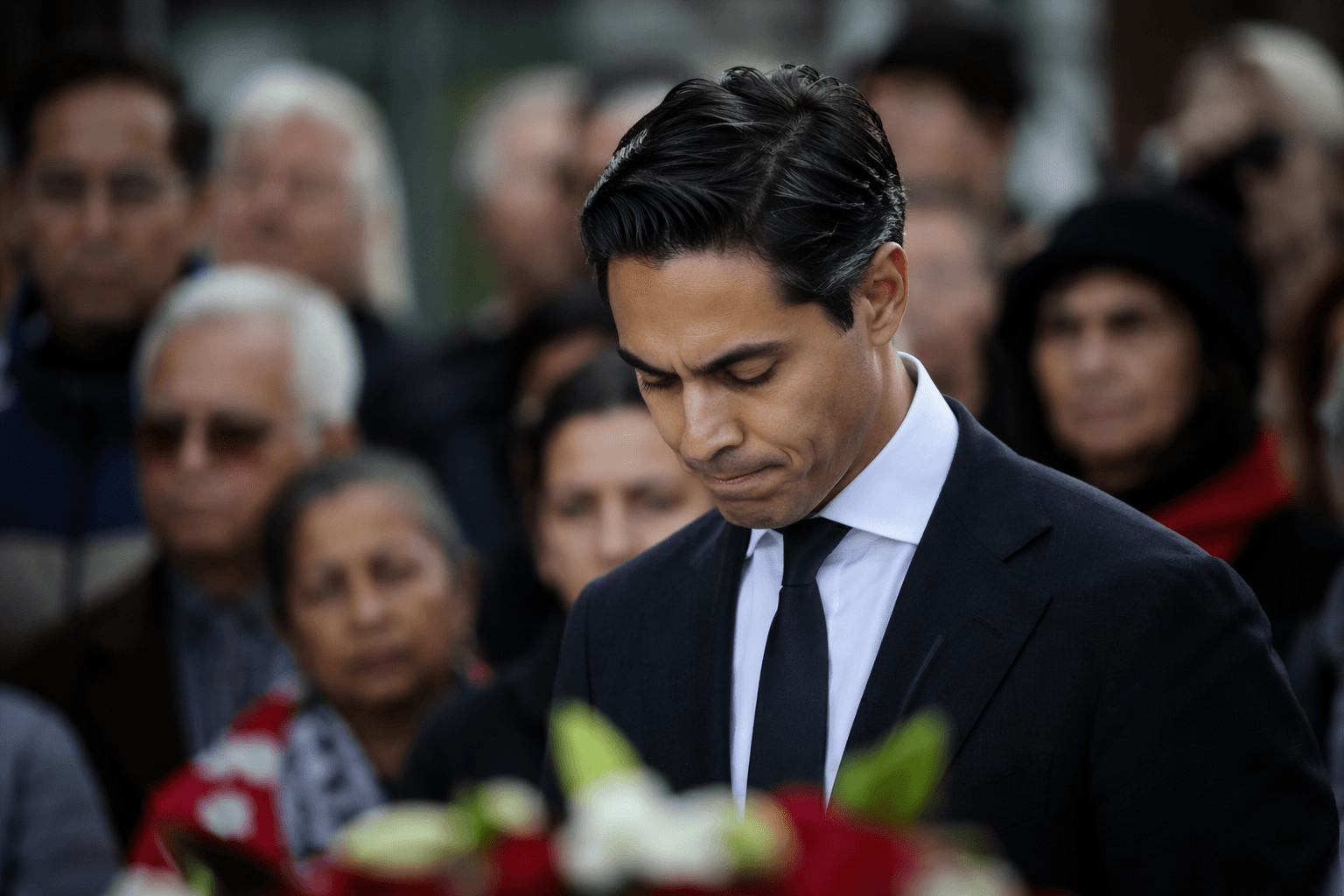
Jetten delivered the apology on June 21, 2026, during a commemoration of 75 years since the community’s arrival. He told hundreds of Moluccans gathered in Rotterdam that it was “high time” to apologise. He said sorry for the “inadequate reception and housing,” for being “unseen and abandoned,” for the unfulfilled longing for home, and for the grief and pain in so many families.
The apology spoke directly to a rupture that began in the early 1950s, when about 12,500 Moluccans and their families were brought to the Netherlands. Many of the men had served in the Royal Netherlands East Indies Army, known as KNIL, and had fought on the Dutch side in the 1945 to 1949 Indonesian War of Independence. The transfer was presented as temporary, but after Indonesian independence many could not safely return to the Maluku Islands and were left in limbo as the Dutch state failed to meet its promise of repatriation.
The monument itself underlined that history. Ulu Kora was placed at the former Lloydkade docks, the site where the first migrants arrived from the islands in the early 1950s, and it was designed as a tribute to the first generation of Moluccans. For descendants, that symbolism mattered, but so did timing. Moluccan reactions welcomed the apology while also saying it came too late for many elders who had already died before hearing an official admission of wrongdoing.
The apology fits into a broader Dutch reckoning with colonial abuses and the postwar treatment of the Moluccan community. Amsterdam Mayor Femke Halsema had also called for an official apology, underscoring how long the demand has circulated in Dutch public life. Yet the day in Rotterdam made clear that acknowledgment and repair are not the same thing: a monument can mark memory, but descendants still measure justice by whether the state also delivers material redress, institutional change, and lasting education about what happened to their families.
This article was produced by Prism’s automated news system from verified source data, official records, and press releases, then run through automated quality and moderation checks before publishing. The system is built and supervised by the people who set the standards it runs under. Read our full AI policy.
Know something we missed? Have a correction or additional information?
Submit a Tip