E-bike and Scooter Crashes Drive Surge in Brain Injuries, Hospitalizations
One-third of 914 micromobility patients had traumatic brain injury, and more than two-thirds were admitted to the hospital.
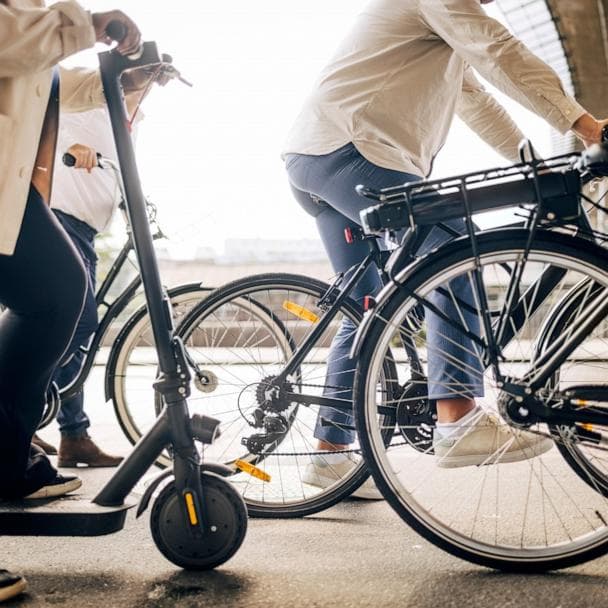
E-bike and scooter crashes are now sending patients into Bellevue with injuries that look less like routine falls and more like major trauma. In a study of 914 riders and pedestrians treated at NYC Health + Hospitals/Bellevue, one-third suffered traumatic brain injury, more than two-thirds required hospital admission, and about 30 percent needed intensive care.
The research, published online April 15 in Neurosurgery by NYU Langone investigators, shows how quickly electric micromobility has changed the injury profile on New York streets. Trauma cases involving bikes or scooters that were tied to e-bikes or e-scooters climbed from under 10 percent in 2018 to more than 50 percent by 2023. ABC News reported the same shift as a rise from 8 percent to over half of all bike- and scooter-related trauma cases.
Cars and trucks were involved in about half of the injuries, making collision risk the dominant public-health problem rather than rider error alone. The injuries peaked between 6 p.m. and 8 p.m., a pattern that suggests evening delivery traffic is part of the surge. Among the 69 pedestrians struck by electric vehicles in the study, brain injuries occurred at nearly double the rate seen among riders.
The study also points to the clearest interventions. Fewer than one-third of riders wore helmets, and not wearing one was linked to significantly higher brain and facial injuries. About one in five patients tested positive for alcohol, which was tied to worse brain injuries and lower helmet use. Hannah Weiss, the study’s lead author, said the findings show micromobility injuries are producing serious brain and spinal trauma at a scale not seen before, and she pointed to helmet use, safer bike-lane design and enforcement as actionable responses.
New York City has already begun testing that mix of policy tools. On June 12, 2025, the city’s Department of Transportation and Fire Department started distributing certified e-bikes and batteries to delivery workers through a $2 million trade-in pilot aimed at replacing unsafe devices with more than 400 certified bikes and spare batteries. Officials described it as the first municipal program of its kind, part of a broader effort to remove dangerous batteries and illegal mopeds from the streets.
The city widened the approach on April 8, 2026, when NYC DOT launched mandatory safety training for delivery workers covering e-bike riding and battery charging safety. On March 18, 2026, Mayor Zohran Mamdani announced that New York City would stop issuing criminal summonses for low-level e-bike and cyclist traffic offenses while expanding safety training and accountability measures for delivery apps. The policy bet is clear: keep micromobility on the street, but make the vehicles, the lanes and the riders safer before more crashes reach the emergency room.
This article was produced by Prism’s automated news system from verified source data, official records, and press releases, then run through automated quality and moderation checks before publishing. The system is built and supervised by the people who set the standards it runs under. Read our full AI policy.
Did this article answer your question?


