Personalized mRNA cancer vaccine shows promise against pancreatic cancer
Eight of 16 patients mounted immune responses, and six stayed cancer-free past three years, but the personalized vaccine is still far from routine care.
The first patient to receive Memorial Sloan Kettering’s personalized mRNA vaccine for pancreatic cancer is now cancer-free six years later, a striking individual outcome in a disease that still kills most patients. Pancreatic cancer has a five-year survival rate below 13%, and about 90% of cases are found only after the disease has already advanced, which is why even small signs of progress draw outsized attention.
The treatment, called autogene cevumeran, also known as BNT122 and RO7198457, was built for each of the 16 patients in the phase 1 study from the mutational profile of that person’s tumor. The vaccine was designed to target up to 20 unique neoantigens per patient, with the goal of training the immune system to recognize leftover cancer cells after surgery. In the trial at Memorial Sloan Kettering, the vaccine was given with surgery, atezolizumab and modified FOLFIRINOX chemotherapy, a reminder that this was not a stand-alone shot but part of a tightly staged treatment sequence.
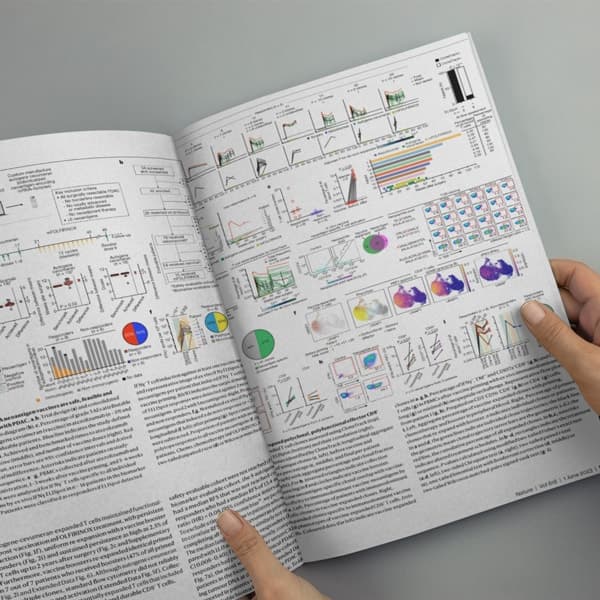
The early numbers are encouraging, but they are still early. In the February 19, 2025 Nature paper, 8 of 16 evaluable patients had vaccine-induced T-cell responses. The updated follow-up, with a median of 3.2 years, found that responders had prolonged recurrence-free survival compared with non-responders, whose median recurrence-free survival was 13.4 months. Memorial Sloan Kettering said 6 of the 16 patients were still cancer-free more than three years after surgery.
Researchers also reported that the immune response could last. Vaccine-induced CD8+ T-cell clones were estimated to have an average lifespan of 7.7 years, and some were projected to persist for decades. About 86% of clones per patient were still present at substantial frequencies roughly three years after vaccination, suggesting the therapy can leave behind a durable immune footprint, not just a short-lived surge.
Even so, the treatment remains experimental. The trial was a phase 1 study, the kind meant to test safety and immune activity first, not to establish standard care. Memorial Sloan Kettering and the National Cancer Institute said the treatment appeared safe, with only mild side effects in the early studies, but larger trials are still needed. For now, autogene cevumeran is limited to patients whose tumors can be removed surgically, and its individualized manufacturing raises the practical questions that will shape any future rollout: how fast each dose can be made, what it will cost, and whether the immune response seen in a small group can be repeated in enough patients to change treatment for one of oncology’s deadliest cancers.
Know something we missed? Have a correction or additional information?
Submit a Tip