easyJet says Iran war uncertainty is delaying bookings, fuel supply steady
easyJet said fuel supply is steady, but war-linked uncertainty is pushing passengers to book later and softening summer demand.
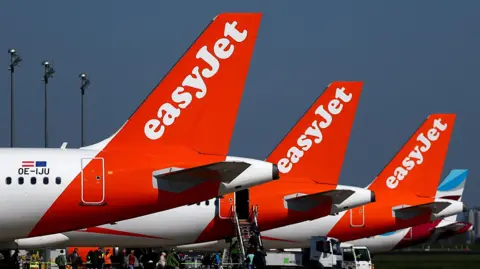
easyJet is trying to calm one risk while warning about another. The airline said it is not seeing any disruption to jet fuel supply, plans to operate its full summer schedule on sale and has normal rolling visibility of fuel for roughly the next four weeks, but it also said customers are holding back and booking later because of uncertainty tied to the Iran war.
The message matters because it separates physical supply from market anxiety. easyJet said it does not levy fuel surcharges, a point aimed at reassuring passengers worried that conflict in the Middle East could quickly show up in ticket prices. The airline also said its fares remain dynamic, moving with demand, seasonality, airport fees and route popularity, which means weaker bookings can still affect pricing even when fuel tanks are secure.
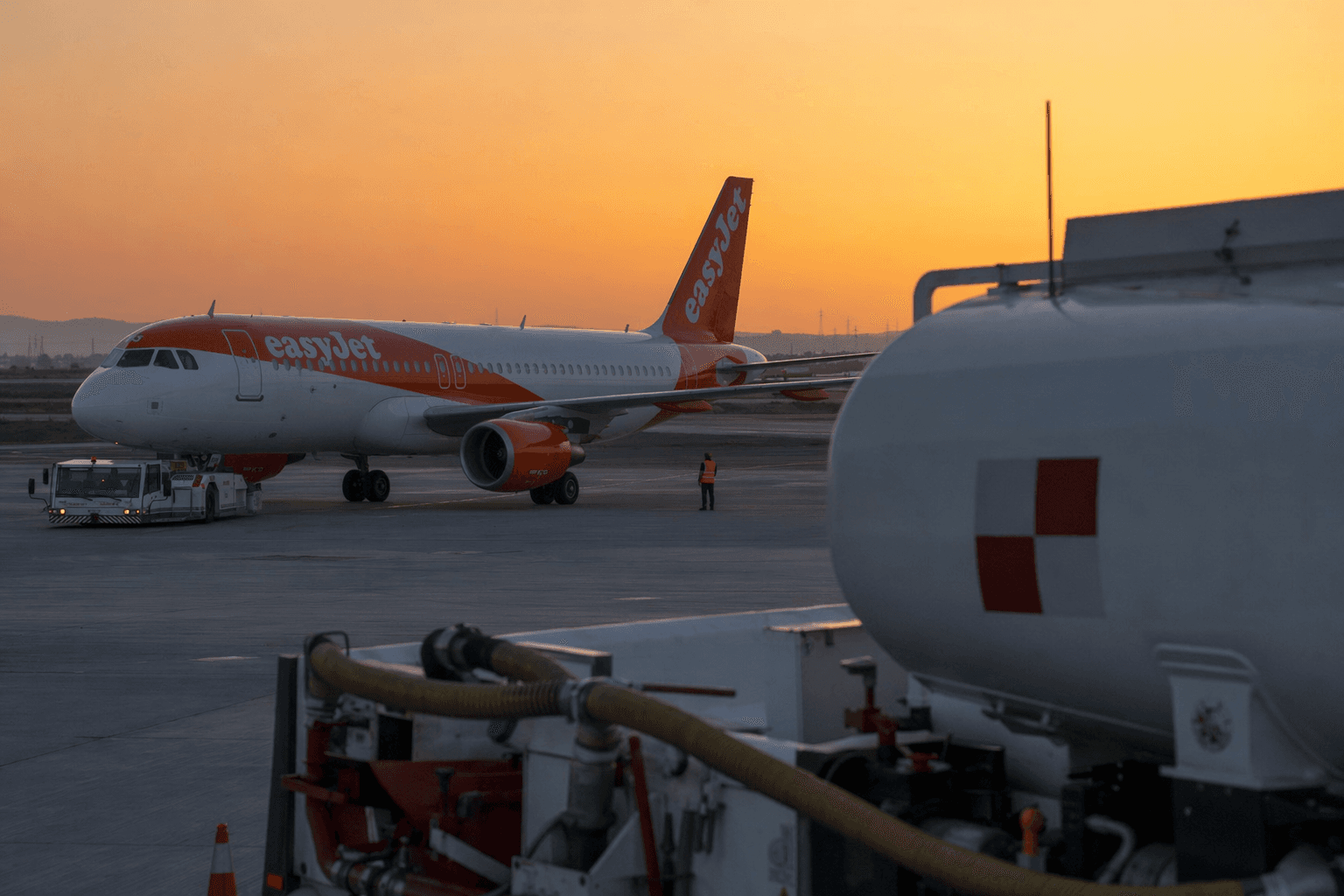
The booking pattern has already become visible in the numbers. easyJet said summer bookings were trailing last year’s levels, and Bloomberg reported that capacity was 58% sold for the second half of fiscal 2026, down 2 percentage points year on year. The airline said it was carrying out an active review of discretionary costs and had raised the minimum ticket price, underscoring how management is trying to protect margins while demand softens.
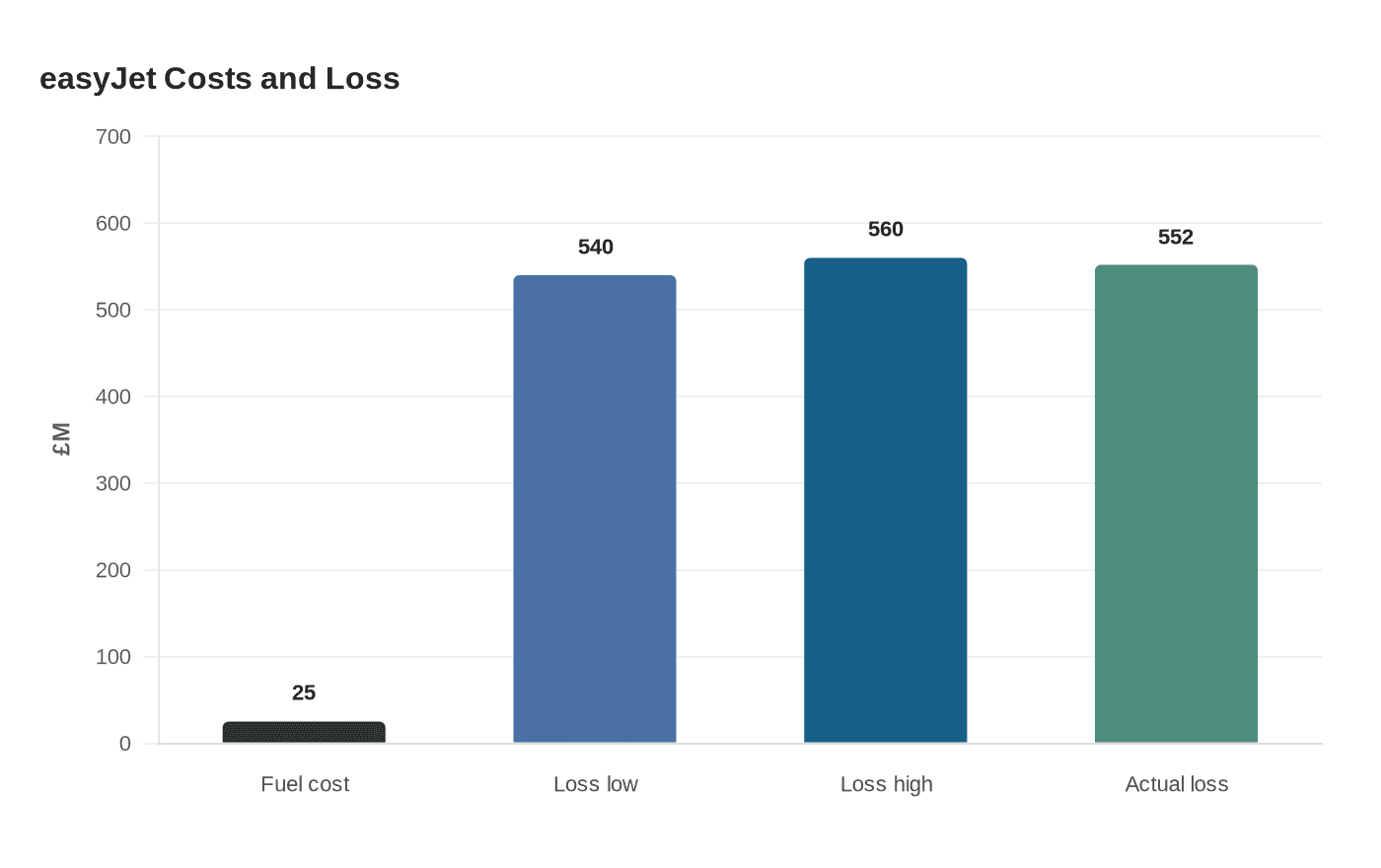
The pressure began showing up in April, when easyJet said the Iran war had added about £25 million, or $34 million, in fuel costs in March alone. At that point it warned of a first-half headline loss of between £540 million and £560 million. When the company reported results on 21 May 2026, it posted a first-half loss of £552 million, landing near the middle of that range.
easyJet said on 23 April that its flying program remained fully intact and that daily operations were unaffected by external supply chain shocks. That suggests the immediate summer risk is not grounded aircraft or a missing fuel load, but a slower, more expensive booking cycle shaped by geopolitics and volatile oil prices. For now, the airline is betting that confidence can return before delayed demand turns into a deeper hit to the season.
Know something we missed? Have a correction or additional information?
Submit a Tip