Ebola outbreak in Congo spreads fast as deaths mount in east
Three Red Cross volunteers died while handling bodies in Mongbwalu, a sign of how grief, distrust and weak systems keep Ebola moving.
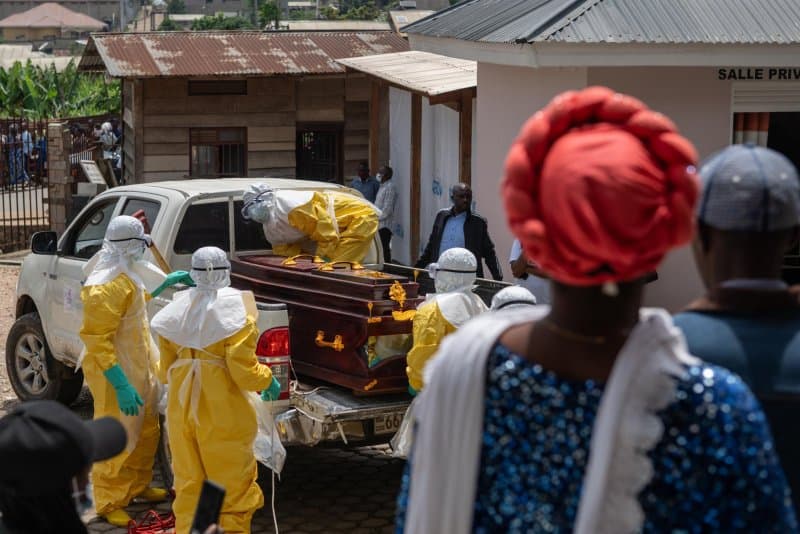
Ebola has surged again in eastern Congo, where the Bundibugyo strain has taken hold in Ituri province, including Bunia and Mongbwalu, and is spreading faster than responders say they can contain it. The World Health Organization has raised Congo’s national risk assessment to very high, warning that the outbreak has already crossed into Uganda, where cases and deaths have also been confirmed.
The strain at the center of this outbreak has made the response harder from the start. Bundibugyo virus disease has no approved vaccine or specific treatment, leaving health workers to rely on isolation, tracing contacts, supportive care and safe burials. That last step has become one of the most painful pressure points on the ground, because Ebola can spread through direct contact with blood or body fluids even after death, while burial rules imposed to stop transmission often clash with local customs.
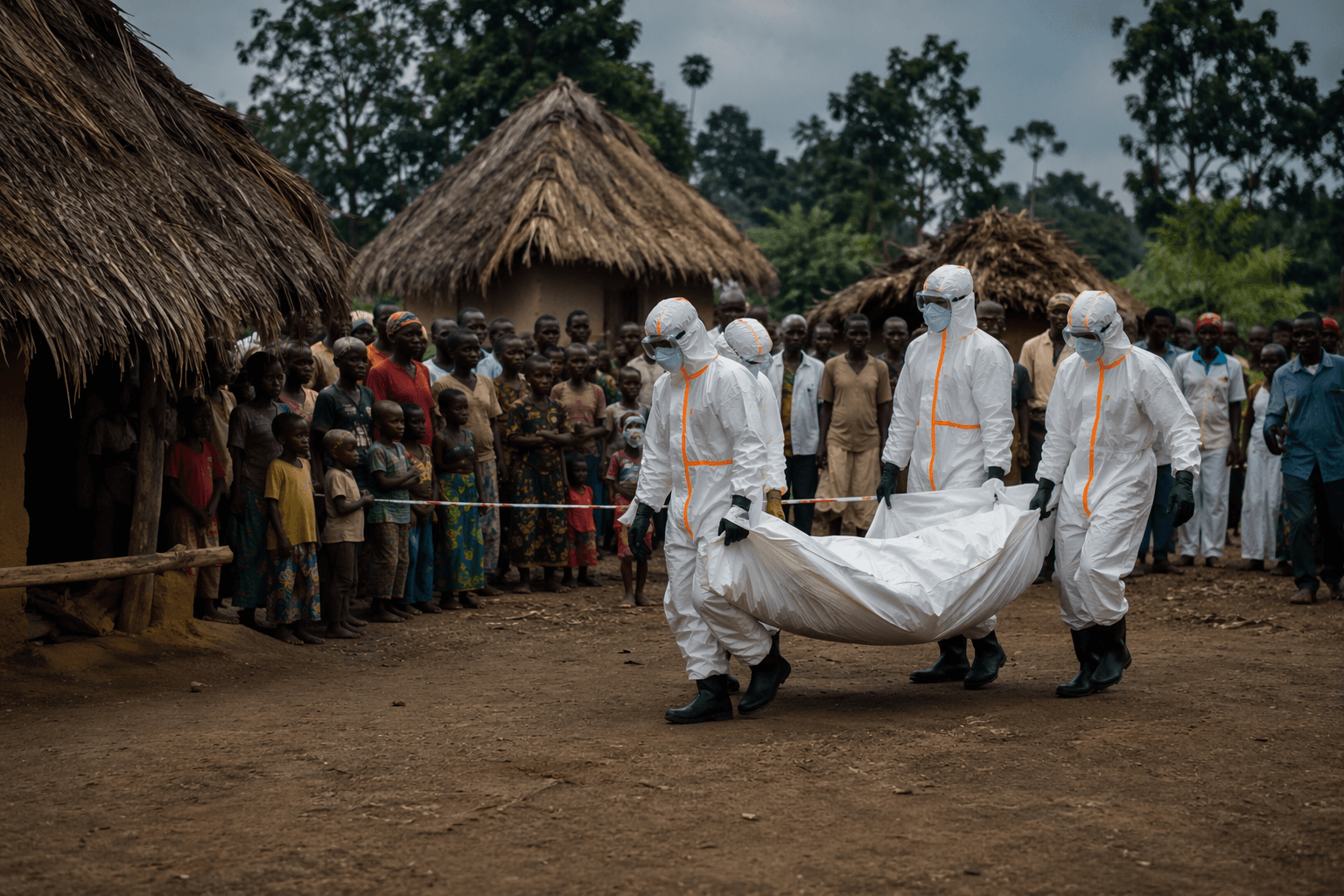
The human cost became plain in Mongbwalu, in Djugu Territory, when the International Federation of Red Cross and Red Crescent Societies said three volunteers from the DRC Red Cross branch died after likely contracting Ebola while handling bodies on March 27. Their deaths exposed how quickly the virus can move through the very people trying to manage it, especially when communities are asked to change burial practices in the middle of fear and grief.
Tedros Adhanom Ghebreyesus, the WHO director-general, said during a visit to the epicenter, “The Democratic Republic of Congo has faced Ebola before, 16 times, and has ended every outbreak. This is the 17th.” The country’s history with the disease cuts both ways: it has hard-won experience, but also repeated outbreaks in places where insecurity, displacement and distrust of outside authorities continue to weaken the public-health response. WHO has stressed that epidemics begin and end in communities, not in distant command centers.
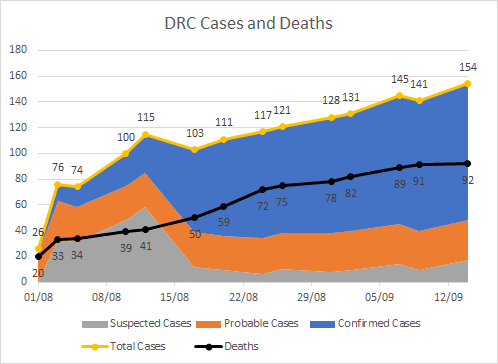
The scale is already severe. By May 30, WHO and United Nations reporting cited 906 suspected cases and 223 suspected deaths in Congo, while Médecins Sans Frontières said on May 20 there were nearly 600 suspected cases and 139 suspected deaths and later called the situation deeply alarming. WHO said it had never seen an Ebola outbreak record so many cases so soon after declaration. The stakes are high because Ebola’s average case fatality rate is around 50 percent, though past outbreaks have ranged from 25 percent to 90 percent, and the West Africa outbreak from 2014 to 2016 became the largest on record with more than 28,600 cases.
This article was produced by Prism’s automated news system from verified source data, official records, and press releases, then run through automated quality and moderation checks before publishing. The system is built and supervised by the people who set the standards it runs under. Read our full AI policy.
Know something we missed? Have a correction or additional information?
Submit a Tip