WHO warns unsafe food causes 1.5 million deaths yearly
Unsafe food sickens 866 million people and kills 1.52 million a year. Children under 5 bear 29% of the burden, while chemical contamination drives most deaths.
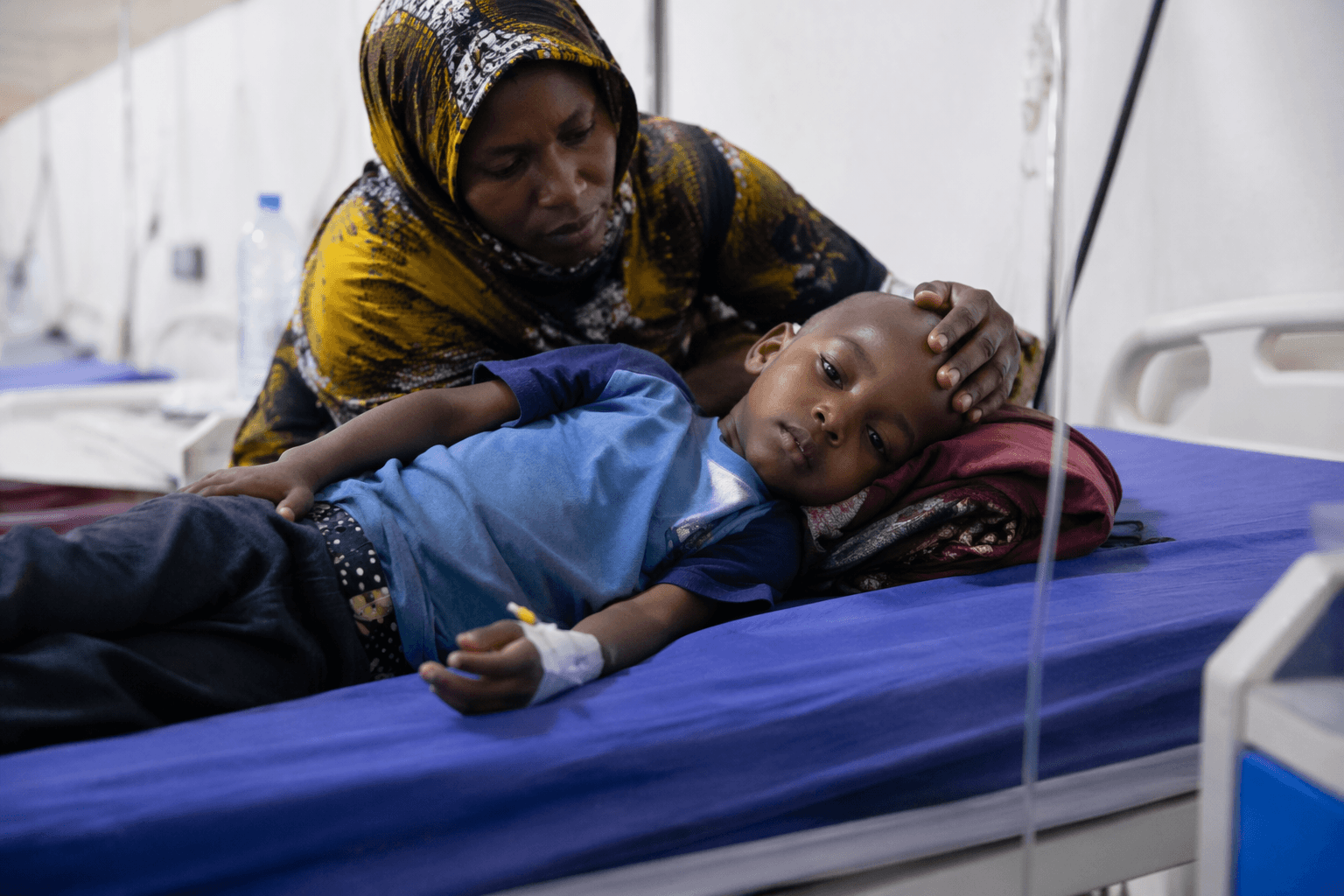
Unsafe food is killing on a scale that rarely dominates headlines: about 1.52 million deaths a year and 866 million illnesses, according to the World Health Organization’s updated estimates. The toll falls especially hard on young children, who make up just 9% of the world’s population but account for 29% of the health burden from foodborne disease.
The WHO said children under 5 suffered 143,000 deaths in 2021 alone. Many of those cases are severe diarrhoeal illnesses, but the danger is broader than stomach infections. The agency warned that food contaminated with lead, methylmercury and inorganic arsenic can damage the developing brain and cause lifelong neurological and developmental harm, turning a meal into a source of permanent injury.
The burden is not evenly spread. Africa and South-East Asia account for nearly three-quarters of foodborne illnesses and about 60% of global deaths, a pattern that points to the strain on weaker health systems, limited regulatory oversight and unequal access to safe water, sanitation and food monitoring. WHO said the problem is also economic: unsafe food drains about $310 billion a year in direct productivity and medical costs, and as much as $647 billion when adjusted for purchasing-power differences.
Tedros Adhanom Ghebreyesus, the WHO director-general, said food safety reaches into every meal, every family and every day, underscoring the agency’s message that this is not a narrow consumer issue but a public health and development problem. WHO said its new estimates cover 42 major foodborne hazards, including bacteria, viruses, parasites and chemical contaminants, and that chemical hazards caused 73% of deaths linked to contaminated food in 2021.
The figures also sharpen the policy case. WHO’s World Health Assembly resolution WHA73.5 called for regular monitoring of the global burden of foodborne and zoonotic diseases, and the agency’s 2022 to 2030 Global Strategy for Food Safety aims for safe and healthy food for all. The latest estimates, released ahead of World Food Safety Day on June 7, arrive under the 2026 theme, “From burden to solutions - safe food everywhere,” as WHO presses governments, producers and consumers to treat food safety as a shared responsibility.
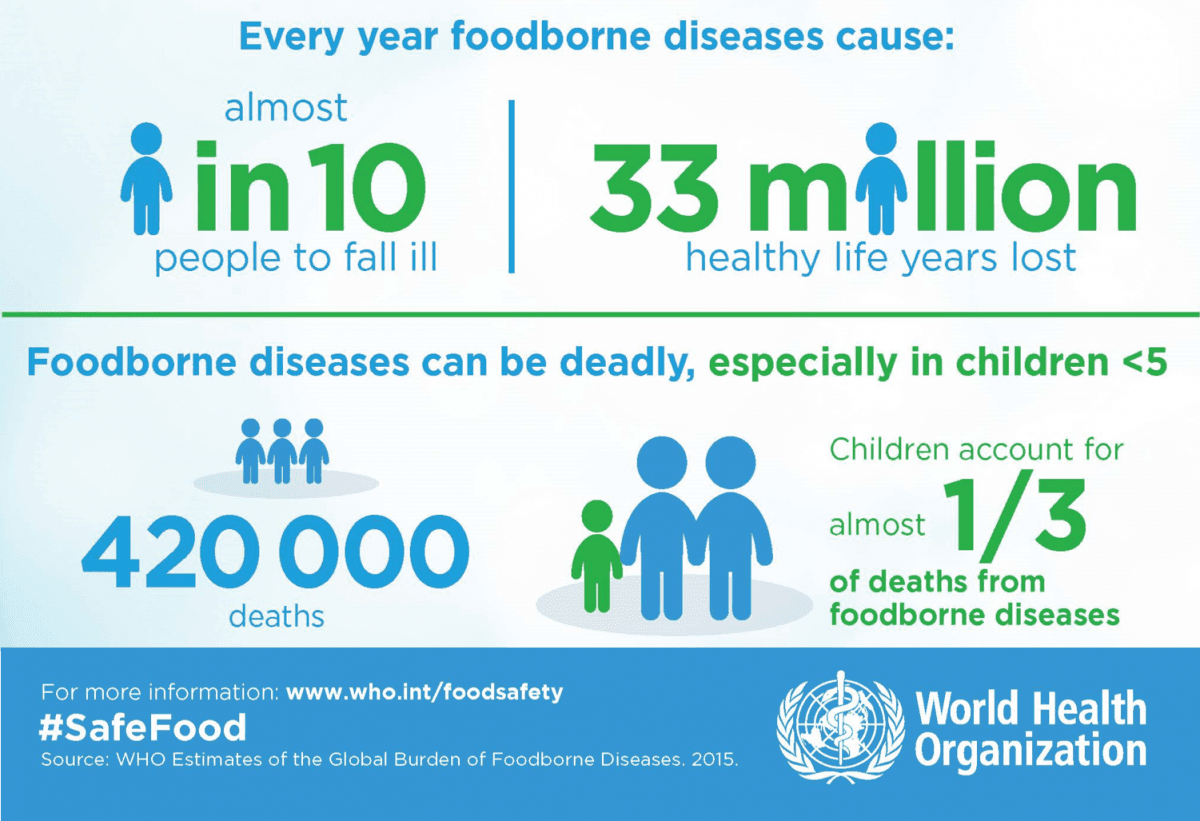
The scale is larger than WHO’s first global estimate in 2015, which counted 600 million cases, 33 million DALYs and 420,000 deaths in 2010. The new numbers show the same danger, measured with sharper tools and a wider lens, still exacting a devastating price.
This article was produced by Prism’s automated news system from verified source data, official records, and press releases, then run through automated quality and moderation checks before publishing. The system is built and supervised by the people who set the standards it runs under. Read our full AI policy.
Know something we missed? Have a correction or additional information?
Submit a Tip