ECB and Bank of England to hold rates amid energy-driven inflation fears
Fuel prices are driving inflation higher from Frankfurt to London, but weak growth leaves the ECB and Bank of England little room to ease.
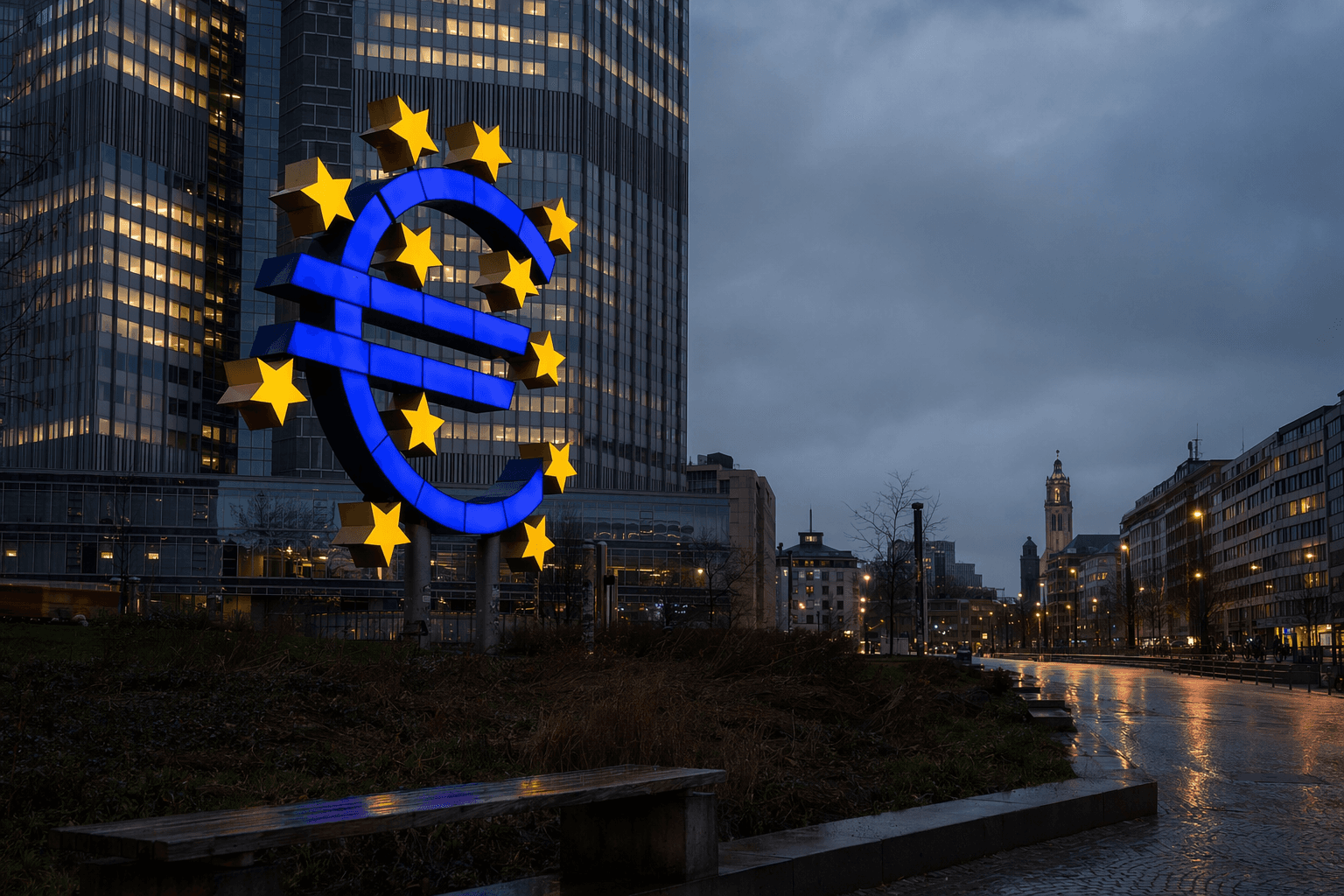
The European Central Bank was expected to leave its deposit facility rate at 2% and the Bank of England was expected to keep Bank Rate at 3.75%, a signal that policymakers were choosing caution as energy costs rose and growth stayed fragile. The decision pointed to a familiar central bank bind: a supply shock can push inflation higher even while it saps household spending power and weakens underlying demand.
The Bank of England had already shown its hand in March, when its Monetary Policy Committee voted unanimously to hold Bank Rate at 3.75%. In its March 18-19 decision, the BoE said the Middle East conflict had triggered a significant rise in global energy and other commodity prices, with the hit set to flow through to households’ fuel and utility bills and to businesses’ costs. It warned that if energy prices stayed elevated, second-round pressures could emerge through wages and price-setting. Governor Andrew Bailey said on April 16 that he was “not going to rush to judgments” on rate rises as officials weighed the fallout.
The Strait of Hormuz sat at the center of that risk. Bank of England minutes said around one-fifth of global oil and liquefied natural gas supply flows through the waterway, and shipping there had almost ground to a halt after Iranian attacks on vessels trying to pass. That raised the chance of another energy-driven inflation spike without the kind of demand strength that usually accompanies a durable price surge.
In Frankfurt, the ECB was confronting a similar dilemma. The central bank has said repeated energy shocks make price stability harder to achieve, and ECB Executive Board member Frank Elderson warned in an April 7 blog post that Europe’s fossil-fuel dependence is a critical vulnerability that can transfer vast resources out of Europe, strain public finances and force a difficult choice between tightening policy to contain inflation and loosening policy to support growth. ECB President Christine Lagarde has also warned that the war in Iran could push inflation above earlier forecasts and keep policymakers vigilant.
The latest data gave those warnings weight. German inflation accelerated to 2.9% in April, with energy prices rising more than 10% from a year earlier, while Spain’s harmonized inflation climbed to 3.5%. Euro-area inflation for April was expected to come in around 3%, above the ECB’s 2% target and the highest level since 2023. ECB staff have already lifted their inflation outlook, projecting headline inflation at 2.6% in 2026, 2.0% in 2027 and 2.1% in 2028. The shock echoes the 2022 energy surge, when euro-area inflation hit 10.6% in October, and leaves both central banks facing the same trap: ease too soon and risk credibility, or hold steady and prolong the pain.
This article was produced by Prism’s automated news system from verified source data, official records, and press releases, then run through automated quality and moderation checks before publishing. The system is built and supervised by the people who set the standards it runs under. Read our full AI policy.
Did this article answer your question?

