End of New START removes last US-Russia nuclear limits
The treaty's formal expiry on Feb. 5, 2026 ended legal caps and verification, reducing transparency and raising the risk of a renewed arms race.
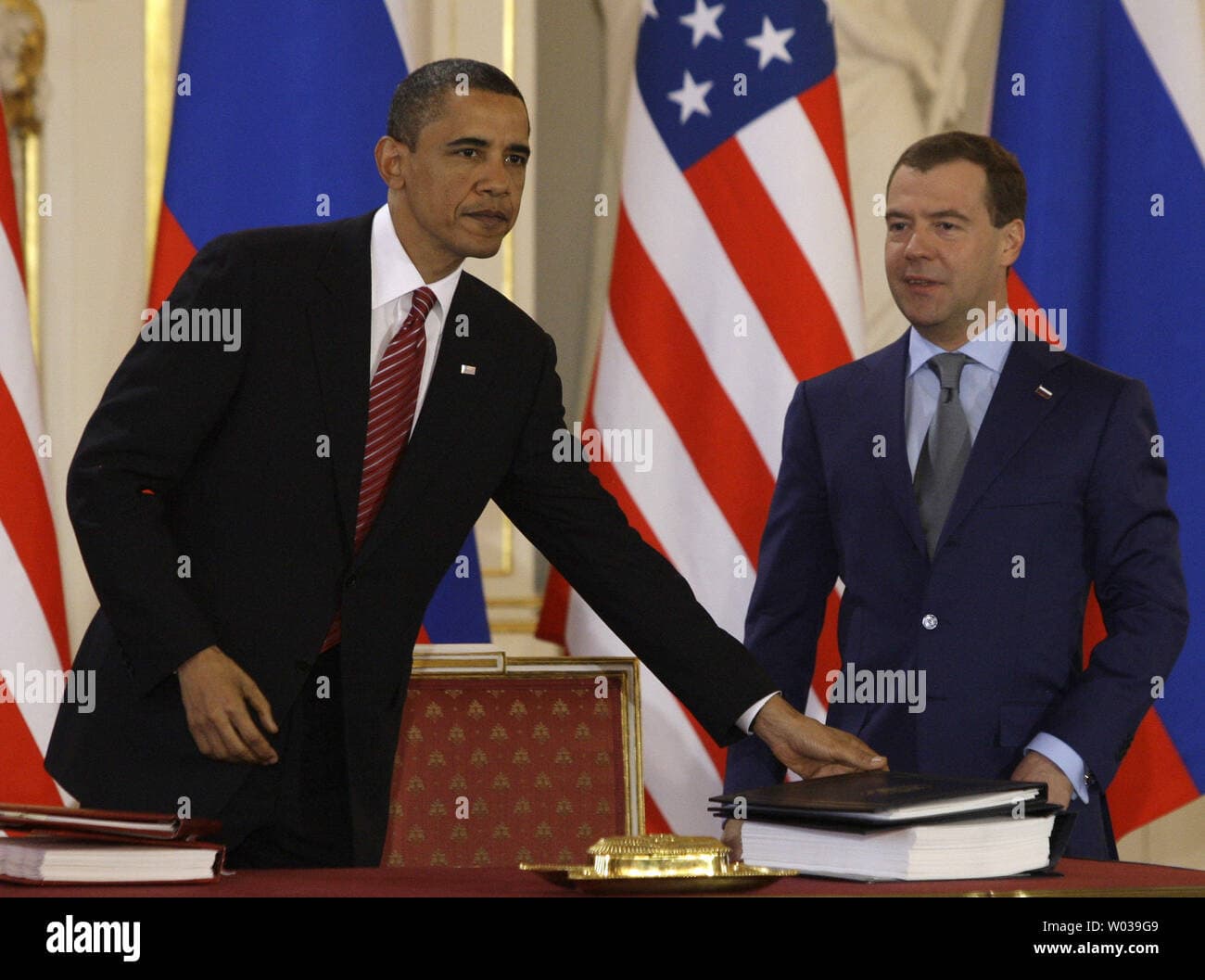
The New Strategic Arms Reduction Treaty reached its formal end on Feb. 5, 2026, removing the last bilateral legal limits on United States and Russian strategic nuclear forces. The treaty had capped deployed strategic nuclear warheads at 1,550, limited deployed nuclear delivery systems to 700 and set a ceiling of 800 deployed and non-deployed launchers. Its expiry ends the framework that for more than a decade constrained the two largest nuclear arsenals.
New START was signed in 2010 by then-US President Barack Obama and then-Russian President Dmitry Medvedev, entered into force in 2011 and was extended once for five years in 2021. Under the treaty’s terms it could only be extended once, so absent a fresh agreement it was always due to end on Feb. 5, 2026. The protocols also established verification measures: data exchanges, mutual inspection visits and other confidence-building mechanisms that made counts and force posture more transparent.
Those verification mechanisms had already been disabled in practice. Vladimir Putin suspended Russia’s participation in February 2023 and the United States followed, a step that "put an end to mutual inspection visits and data exchanges." Despite that suspension, analysts say there is no evidence of large-scale breaches and both sides signaled they were adhering to the treaty’s core numerical limits up to the formal expiry.
Moscow moved quickly to frame the legal consequences of expiration. Russia said it is "no longer bound" by limits on the number of nuclear warheads it can deploy as the treaty lapsed, and in September 2025 had offered a mutual 12-month observance of the limits to avoid a sudden rupture. Washington’s response was mixed: President Donald Trump has said, "If it expires, it expires. … We’ll just do a better agreement," and has argued China should be included in any successor negotiations. China’s foreign ministry spokesman Lin Jian urged the United States to respond to Russia’s offer, saying, "China has taken note of the constructive suggestions previously made by Russia regarding the follow-up arrangements of the New Strategic Arms Reduction Treaty (New Start) and hopes that the United States will respond positively to truly safeguard global strategic stability." Beijing has reiterated it will not join trilateral talks while significant stockpile disparities persist.
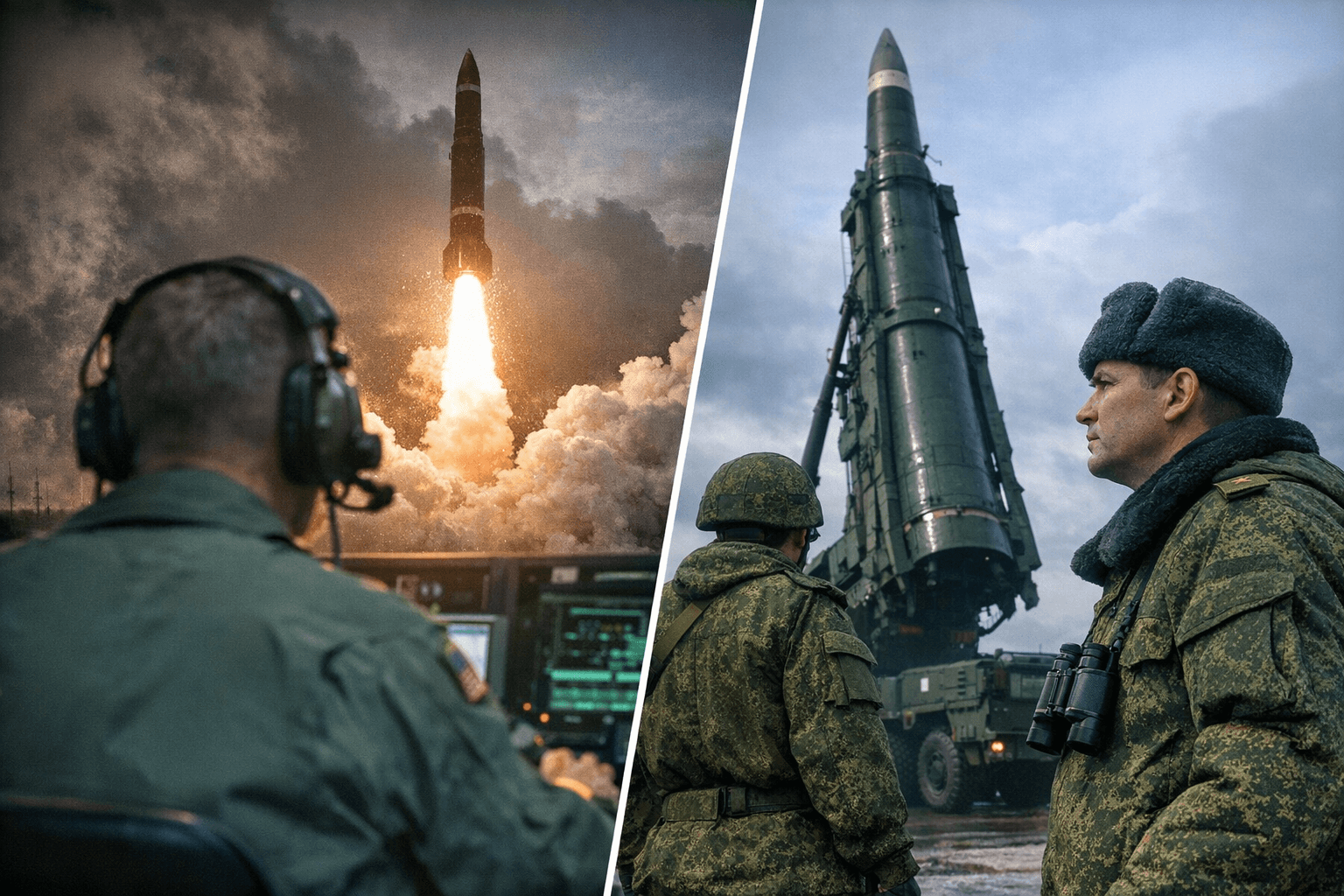
Analysts and arms-control institutes warn the lapse raises the prospect of a renewed arms competition. The United States and Russia together account for about 90 per cent of the world’s nuclear weapons, and the disappearance of the last agreed limits could "signal the opposite – that nuclear powers are abandoning restraint," a development that risks deepening divisions between nuclear and non-nuclear states and damaging the credibility of the Nuclear Non-Proliferation Treaty ahead of its 2026 review conference. As Chatham House has noted, "Timing also matters. The expiry comes ahead of the 2026 Review Conference of the Nuclear Non-Proliferation Treaty (NPT) in spring. Nuclear-weapons states are expected to demonstrate progress on disarmament and arms control."
Stockholm International Peace Research Institute summed up the strategic shift bluntly: the expiry "marks the end of an era in nuclear arms control. The demise of New START ushers in a new phase of heightened nuclear dangers. Europe’s leaders must recognize the grave implications for European security and take action."
Practically, expiration does not instantly expand arsenals. Experts stress that increasing deployed missiles and warheads presents logistical challenges and will take time. Still, without legally binding limits and functioning verification, knowledge gaps about numbers and operational status will grow, complicating crisis stability and policymaking. The immediate questions now are whether Washington and Moscow will accept Russia’s 12-month observance proposal, whether new talks can include China, and whether the NPT review in April–May will force a diplomatic response to what many see as a dangerous inflection in the global arms-control architecture.
This article was produced by Prism’s automated news system from verified source data, official records, and press releases, then run through automated quality and moderation checks before publishing. The system is built and supervised by the people who set the standards it runs under. Read our full AI policy.
Did this article answer your question?


