Engineered enzyme reverses age-related protein damage in human tissue samples
Engineered enzyme cut age-related protein damage by more than 70% in elderly artery tissue and 55% in skin, but only in lab samples.
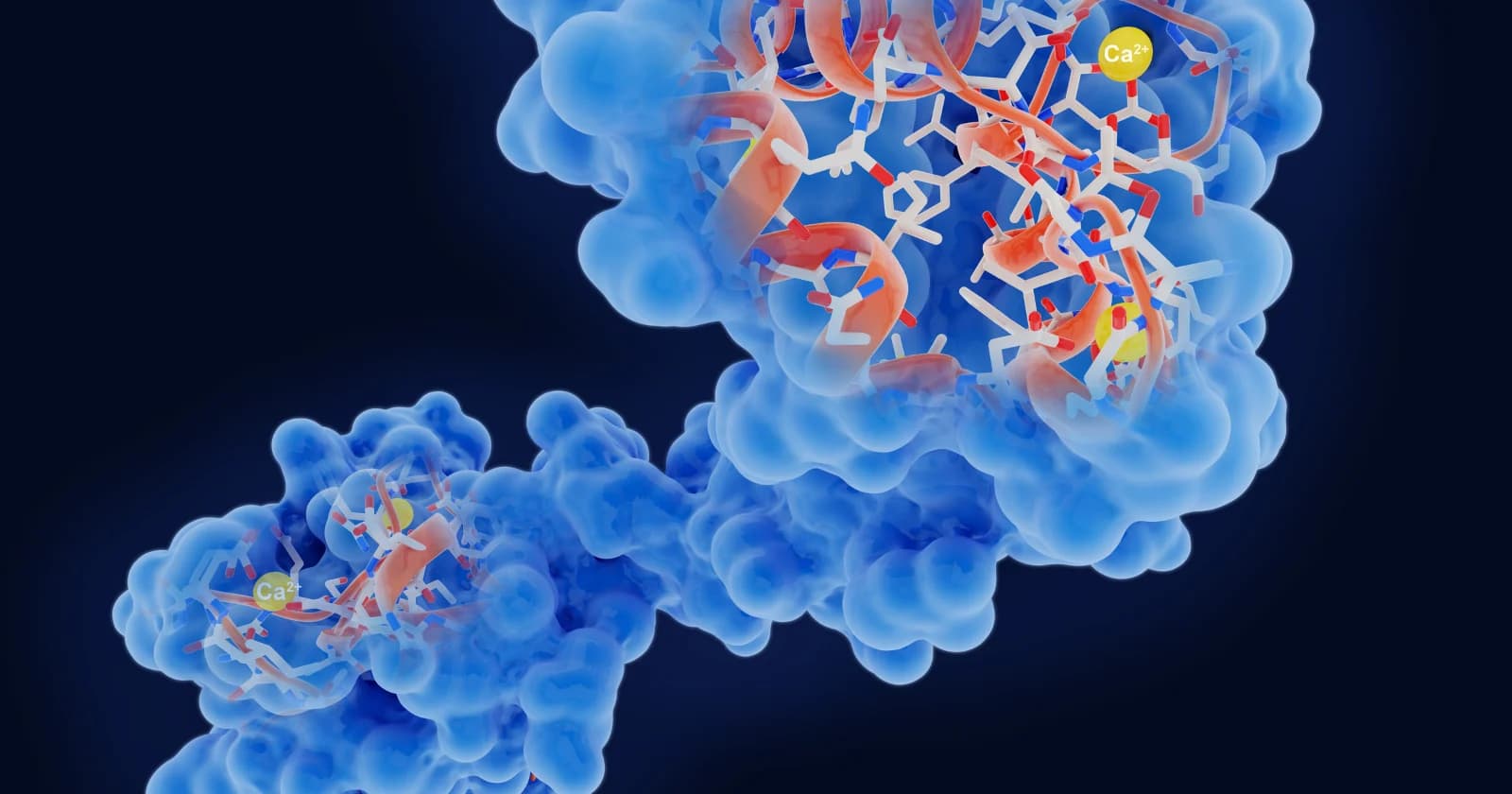
An engineered enzyme cut a stubborn age-related protein mark by more than 70% in elderly human artery sections and by 55% in skin tissue samples, a striking laboratory result that still falls far short of a treatment for people.
The target was N-carboxymethyl-lysine, or CML, a chemical scar that builds up on proteins as tissues age and has been linked to several age-related diseases. In work reported in July 2026, Revel Pharmaceuticals and collaborators at Calico Life Sciences and the University of Colorado Anschutz Medical Campus described an enzyme designed to home in on CML and reverse that damage in human tissue samples.
The enzyme was built through bacterial evolution, a process that pushes enzymes through repeated rounds of selection until they better perform a chosen task. That approach matters because CML is not a simple switch to flip off in the body; it is part of a broader family of molecular changes that accumulate over time and can stiffen arteries, alter skin, and interfere with normal tissue function.
The clearest result came from artery tissue taken from a 75-year-old donor. In that sample, the enzyme reduced CML by more than 70%, while skin tissue samples saw about a 55% drop. Those numbers give the study its punch, but they also define its limits: the work was done on tissue sections in the lab, not in living patients, and it does not show that the enzyme can safely reach the same result inside the human body.
That gap between a promising experiment and a real therapy remains the central issue. Any treatment aimed at age-related protein damage would need to survive the bloodstream, reach the right tissue, avoid off-target effects, and prove that lowering a molecular marker translates into better health outcomes. None of that was tested here.
Still, the findings add to a growing effort to turn aging biology into something doctors can eventually measure and potentially treat. The broader idea is straightforward: if harmful molecular damage can be reversed, some age-related disease processes might be slowed or altered. For now, though, the result is best read as a proof of concept, not a reset button for aging.
This article was produced by Prism’s automated news system from verified source data, official records, and press releases, then run through automated quality and moderation checks before publishing. The system is built and supervised by the people who set the standards it runs under. Read our full AI policy.
Did this article answer your question?