England to ban deep-fried school food, curb sugary desserts
England plans to ban deep-fried school food and tighten dessert rules, as one in three children leave primary school overweight or obese.
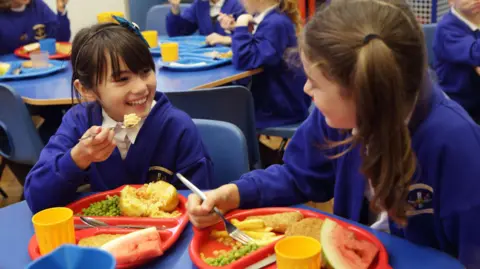
England’s school kitchens are being told to drop deep-fried food entirely and rein in sugary desserts, in the biggest rewrite of the country’s School Food Standards in more than a decade. The proposal would also limit everyday grab-and-go items such as sausage rolls and pizza, while pushing schools to serve more vegetables, wholegrains and pulses.
The Department for Education said the consultation will run for nine weeks from 13 April 2026 and would cover maintained schools, academies and free schools in England. High-sugar items including ice cream, waffles, jelly, sweetened baked goods and sweetened drinks would face tighter limits, with some desserts restricted to once a week. The new standards are expected to apply from the 2027-28 academic year, although some schools would have until September 2028 to comply.
Ministers are pitching the changes as a response to a child health problem that is already visible in official data. The government says one in three children leaves primary school overweight or obese. Official National Child Measurement Programme figures for 2024-25 show obesity prevalence at 10.5% among reception children and 22.2% among year 6 pupils, underscoring how sharply the problem worsens by the end of primary school.
Dental data point in the same direction. The Royal College of Surgeons of England says tooth decay linked to high-sugar diets remains the leading cause of hospital admissions among children aged 5 to 9, with 21,162 admissions in 2024/25. Government dental survey data for 2024 found 22.4% of 5-year-olds had experienced dentinal decay, while 26.9% had enamel and/or dentinal decay. Children in the most deprived areas were more than twice as likely to have dentinal decay as those in the least deprived areas, and prevalence reached 36.8% in the North West compared with 23.3% in the East of England.
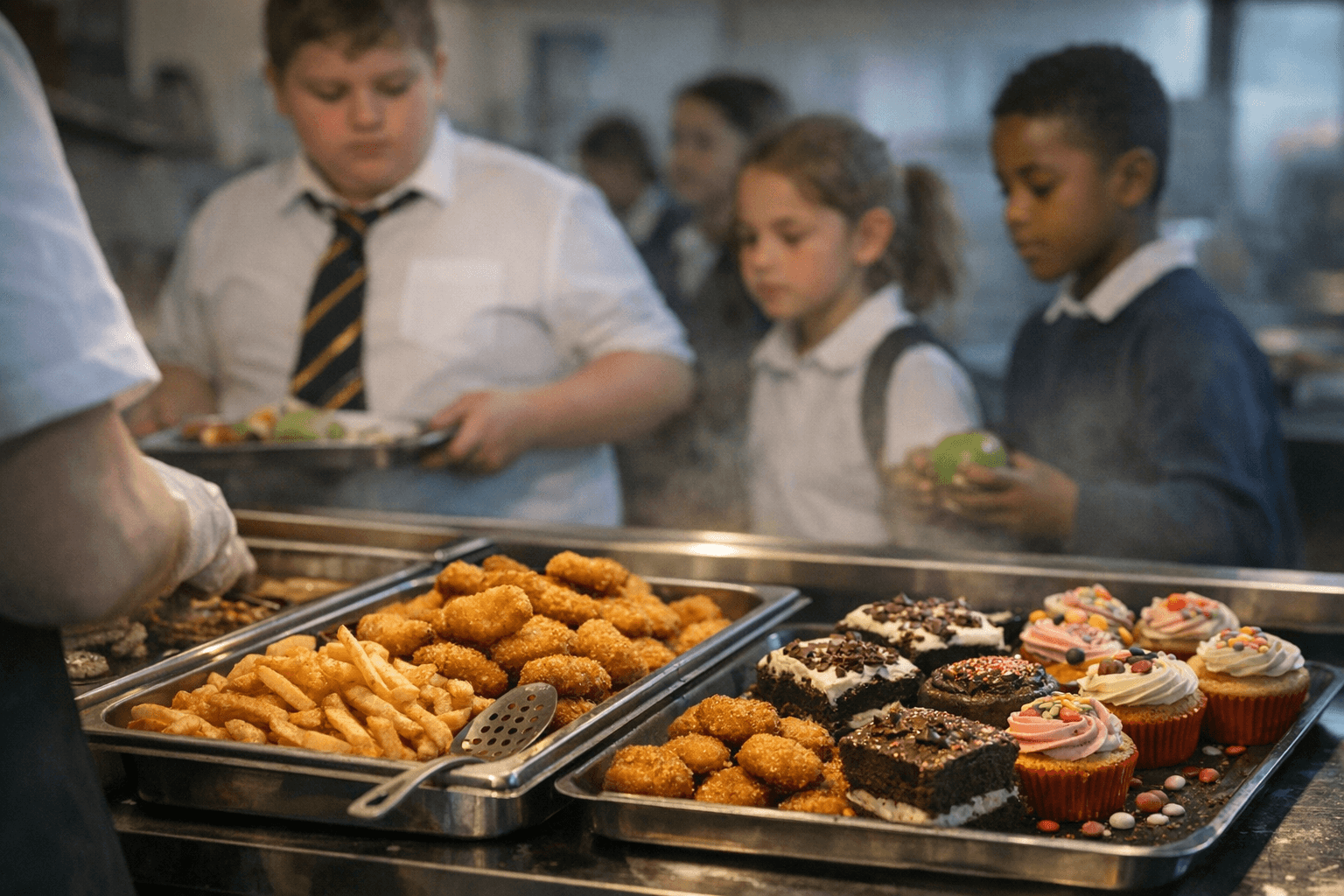
The government also wants a tougher compliance regime. Schools would be expected to publish food policies and daily menus online so parents can check what is being served, a move ministers say is meant to back up national enforcement rather than leave the standards as paper promises. The overhaul follows the 2013 School Food Plan, which set out 17 actions to improve what children eat and learn about food in school, and comes as the rules introduced in 2014 are being reconsidered for the first time in a major way.
The nutrition push is being paired with breakfast provision. More than 500 new Free Breakfast Clubs are opening in April 2026, with places for up to 142,000 children, while 750 clubs already in place are said to be saving parents up to £450 a year and giving them back as much as 95 hours annually. Backers including Bite Back, Tom Kerridge, Chefs in Schools, Emma Thompson and Henry Dimbleby have lined up behind the plans, but the central test will be practical: whether schools can deliver healthier meals at scale without simply shifting the burden onto already stretched kitchens and staff.
This article was produced by Prism’s automated news system from verified source data, official records, and press releases, then run through automated quality and moderation checks before publishing. The system is built and supervised by the people who set the standards it runs under. Read our full AI policy.
Did this article answer your question?


