Essential Catamaran Cruising Choices: Sailplan, Loads, and Safety
A comprehensive catamaran cruising guide lays out the practical choices new and prospective owners must make, from sailplan selection and storm preparedness to structural reinforcement and load planning. These decisions determine whether a multihull’s space and stability translate into safe, fast passagemaking or into a boat that struggles under weight and weather.

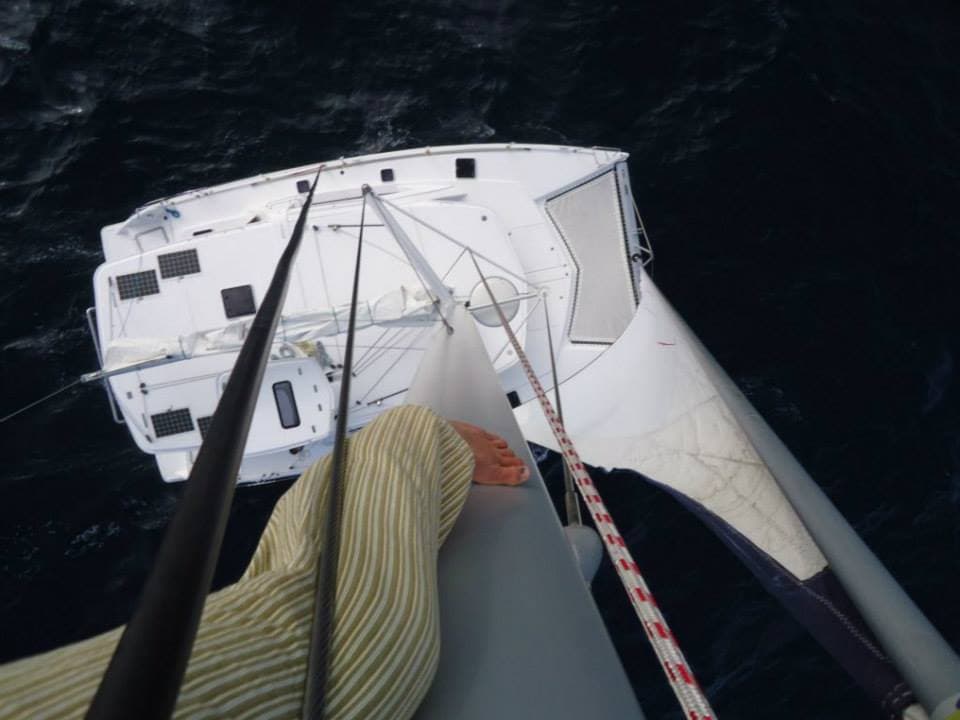
For anyone considering a catamaran for coastal cruising or bluewater passagemaking, the key decisions start long before the first tack. Sailplan and sail selection must match the route: boats that will spend most time on downwind or reaching passages benefit from larger, easier-to-fly downwind sails, while owners facing frequent upwind work need smaller headsails and a mainsail set up for pointing and control. Those choices affect sail-handling systems, deck layout, and crew workload.
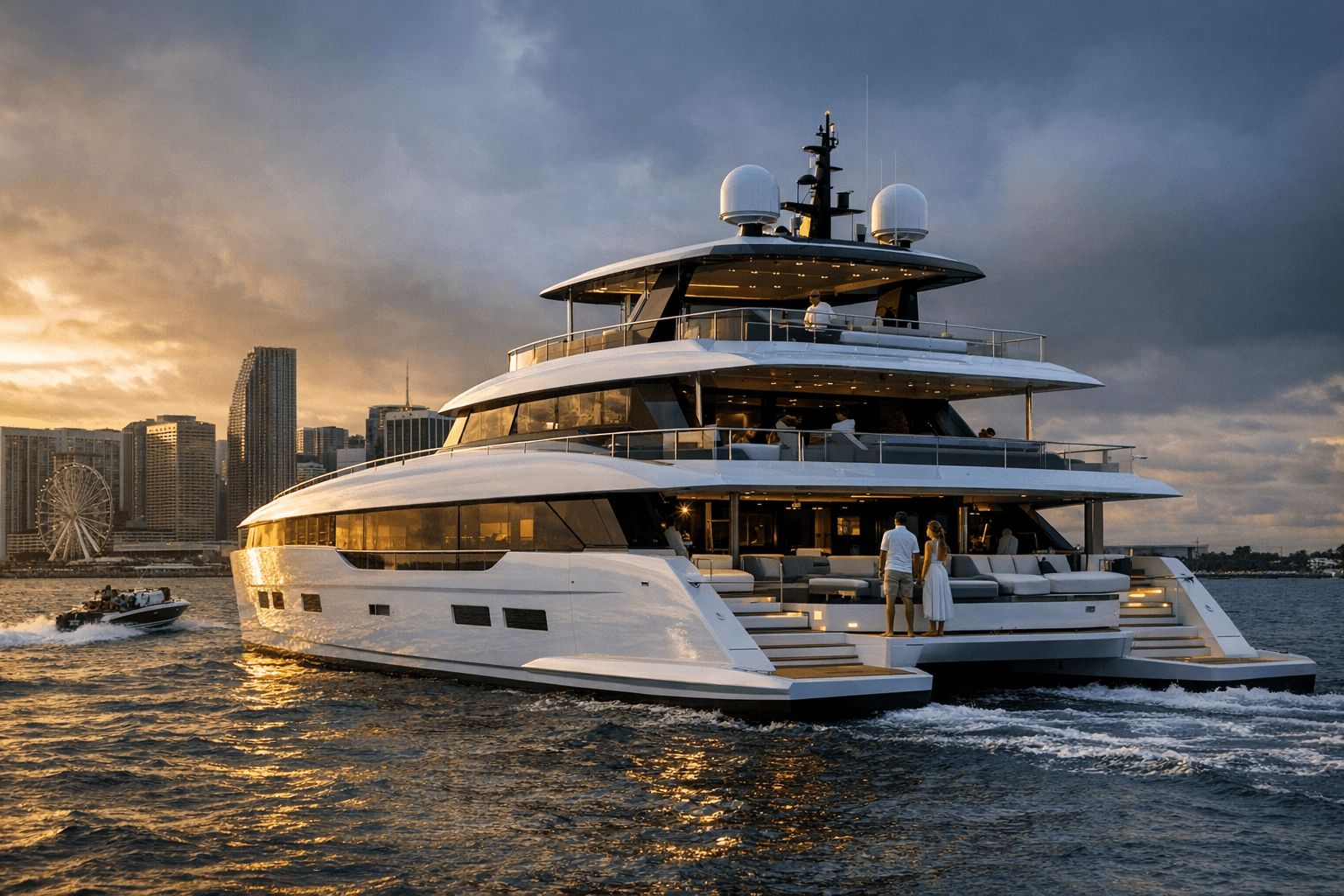
Choice of boat type is the next strategic decision. Production catamarans emphasize comfort and interior volume, making liveaboard life and family cruising easier. Performance catamarans trade interior space for slimmer hulls and higher speed, but they are more sensitive to load and require more precise trimming and crew technique. Understand how load sensitivity changes handling: added weight robs speed, increases immersion of hulls and fittings, and makes bridgedeck slamming more likely if clearances are marginal.
Structural reinforcement and bridgedeck clearance are practical safety items that deserve early attention. Reinforce chainplates, mast step areas, and bulkheads if you plan to carry heavy stores, water or generators. Check bridgedeck clearance against the sea states you expect; higher clearance reduces slamming and keeps accommodation drier on a seaway. Small upgrades paid for up front reduce fatigue failures and improve comfort long term.
Storm sail and reefing strategies are central to multihull seamanship. Plan for conservative reefing points, have a reliable storm sail configuration, and practice setting the rig under load well before you need it. Reef early on a catamaran; unlike many monohulls, multihulls do not heel to spill wind, so reducing sail quickly preserves control and reduces loads on rigging and structure.

Operational load planning ties many of these topics together. Treat every kilo as a performance decision: water, fuel, spares and personal items all add up. Distribute weight low and centrally between hulls where possible, and reassess provisioning for long passages versus short hops. Routine checks of rigging, fastenings and bridgedeck structure should form part of a regular passage checklist.
Decide whether a catamaran’s advantages match your cruising style. If liveaboard comfort, stability at anchor and space for family and gear matter most, a production catamaran can be ideal. If you want fast passages and plan to race or cover long miles quickly, a performance-oriented platform may suit, provided you accept tighter loading tolerances and greater crew demands. For safe long-term cruising, invest in sensible reinforcement, conservative sail plans, and disciplined load management. Those steps turn a roomy multihull into a reliable bluewater platform rather than an overloaded liability.
Know something we missed? Have a correction or additional information?
Submit a Tip