Essential Checklist for Planning and Commissioning Geometric Tattoos
Plan like a pro: match style (linework, dotwork, mandala, sacred geometry) to an artist, lock in precise stencils and sessions, and set aftercare and touch-up dates before the first needle.
Geometric tattooists, apprentices, and clients: this checklist converts idea into a reliable commission plan. Note that 100% of readers only view without sharing—precise planning and clearer milestones increase the chance your work gets posted and booked.
1. Define the exact style and visual brief
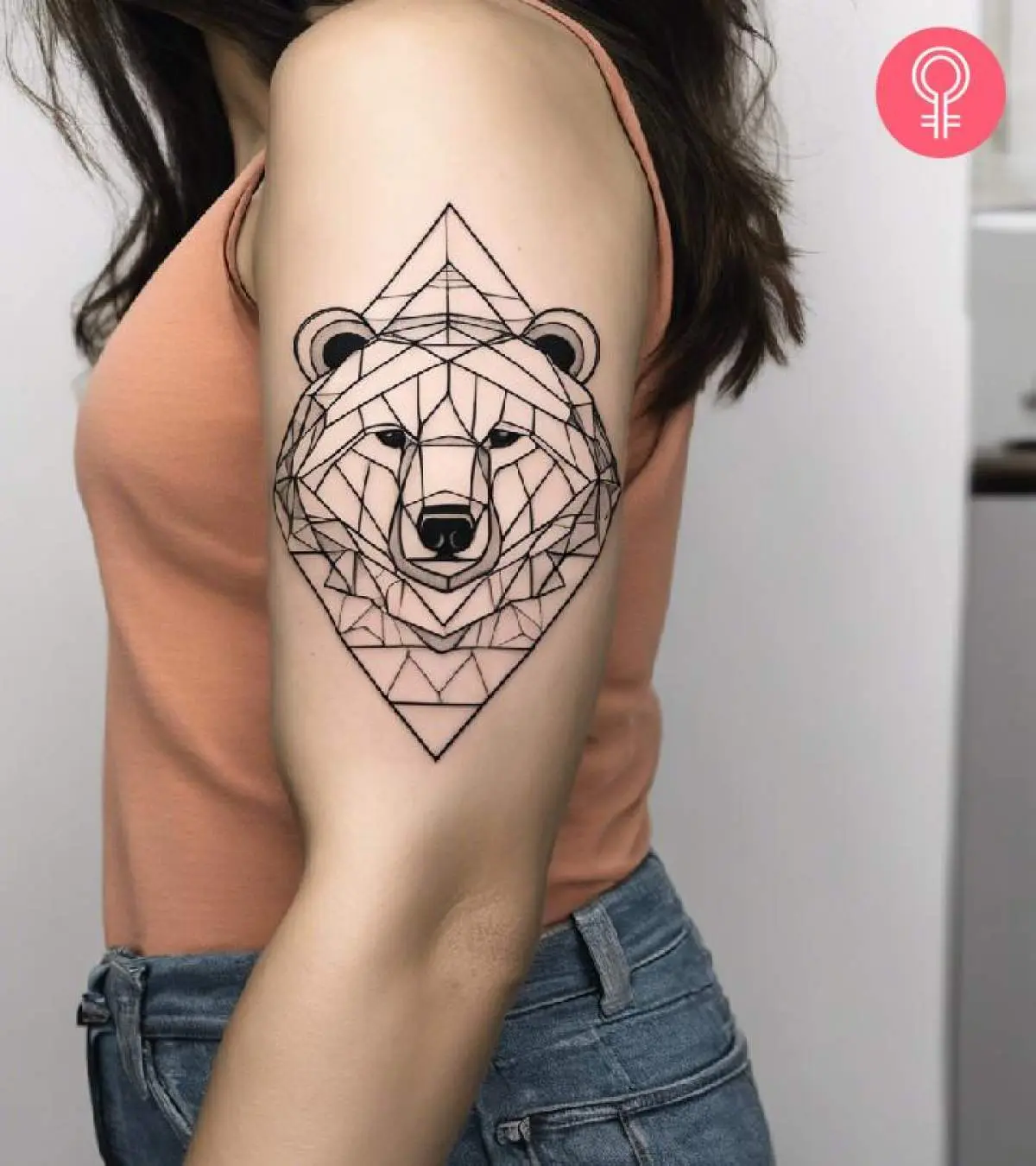
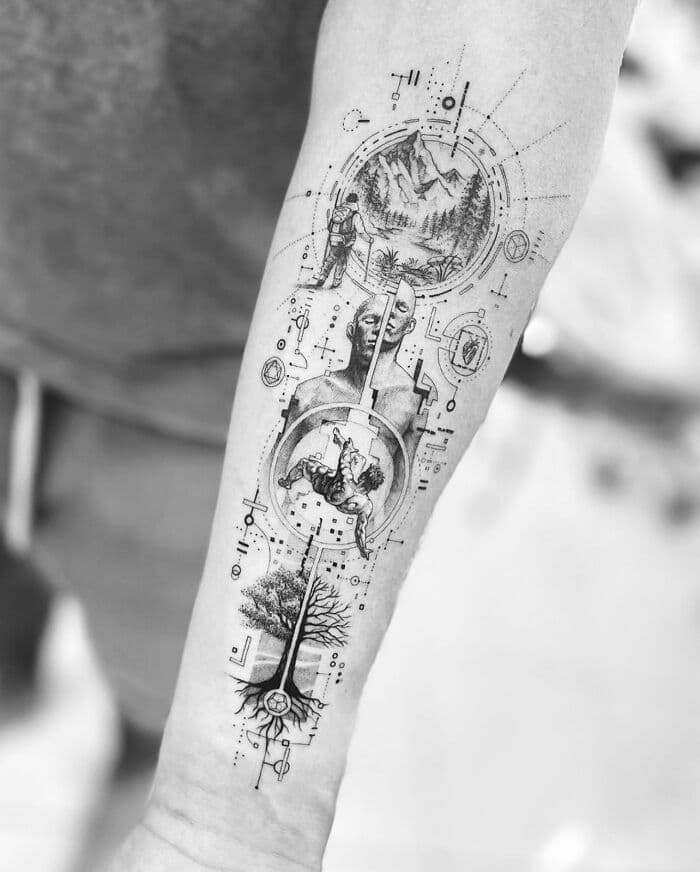
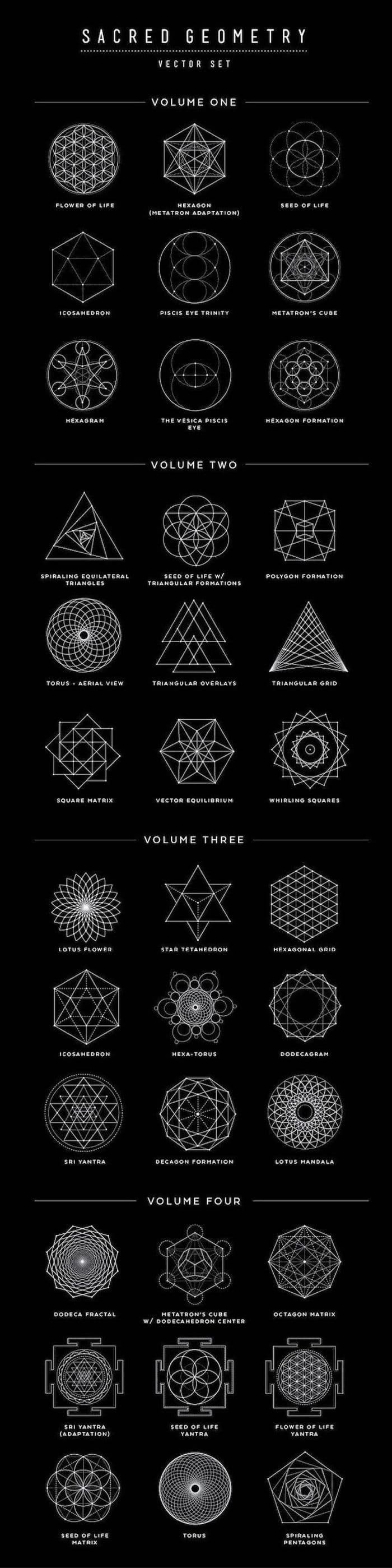
Be explicit whether you want linework, dotwork, mandala, or sacred geometry—those labels guide needle choice, session count, and pricing. Bring 3–5 reference images showing scale, stroke thickness, and healed results; specify if you want crisp single-line geometry or layered dotwork gradients. For sacred geometry, call out the mathematical relationships you want preserved (e.g., concentric circles, intersecting polygons) so the artist can plan measurements.
2. Match the artist to the technique and experience level
Check portfolios for healed photos and for the specific technique you want: tight linework, precise dotwork, mandala symmetry, or sacred geometry accuracy. If you’re an apprentice, be clear when offering to assist versus take a commission; clients should ask whether the piece will be executed by the lead artist or an apprentice under supervision. Request recent examples of similar placements and ask about touch-up history to confirm long-term line stability.
3. Confirm sizing, placement, and body-mapping
Give exact final dimensions in centimeters or inches rather than vague terms like “medium” or “small.” Provide photos of the placement area in at least two positions (relaxed and stretched) so the artist can anticipate distortion. For mandalas and sacred geometry, insist on live body-mapping—mark the center point and primary axes on your skin during the consult to ensure rotational symmetry.
4. Stencil, mock-up, and approval process
Agree on how many mock-ups you’ll see and whether the artist will provide a paper stencil or a printed transfer. Require a dry-fit: place the stencil on your body and photograph it under the same light you’ll wear it in to check scale and balance. If the piece requires exact geometry, ask that the artist uses measurement tools (ruler, calipers, compass or digital CAD files) and confirm changes in writing before the needle.
5. Technique, needles, and session pacing
Decide whether the piece needs single-needle lining, grouped liners for bolder geometry, or hand-poked dotwork; each technique changes session length. Dotwork usually requires slower, more frequent breaks and may be scheduled as multiple shorter visits rather than one long marathon. Confirm the expected number of sessions upfront and how much time the artist will schedule per session.
6. Session scheduling, calendar planning, and event conflicts
Book sessions with buffer days for healing between stages—large geometric pieces commonly need 2–6 sessions spaced weeks apart for safe healing. Coordinate around major calendar items: use industry calendar updates—like recent calendar changes that helped geometric tattooists plan—and avoid booking close to major expos (for example, plan around big events such as the Salt Lake City Tattoo Expo March 6–8, 2026 if travel or artist availability may be affected). Lock session dates with a deposit and a clear cancellation window.
7. Pricing, deposits, and written agreement
Get a written estimate that lists hourly rates, flat fees for full pieces, deposit amount, what the deposit holds (date vs. design work), and refund/cancellation terms. Ask whether pricing includes stencil alterations or if extra revisions add cost. A simple written agreement prevents surprises when commissions run over time or require additional touch-ups.

8. Health screening, contraindications, and consent
Complete the studio’s health questionnaire and disclose medications, skin conditions, and prior reactions to inks or topical products. Sign the consent form that documents agreed-on placement, size, and aftercare responsibilities. If you’re an apprentice getting hands-on experience, ensure the studio’s consent and supervision policies are documented for clients.
9. Aftercare plan and product choices
Agree on a specific aftercare routine and the product type (ointment, balm, lotion) you’ll use during each healing phase; note that a change in lotion type often changes the aftercare timeline and follow-up instructions. Ask the artist to name acceptable product ingredients (fragrance-free, non-comedogenic) and the timeline for switching from occlusive ointment to lotion and then to maintenance moisturizers.
10. Touch-ups, timelines, and warranties
Schedule a tentative touch-up window (commonly 6–12 months) and record whether touch-ups are included in the commission price or billed separately. For detailed geometry, even minor settling can break perceived symmetry; a planned touch-up keeps lines crisp. Get touch-up booking terms in writing so you know how long the artist will honor corrections.
11. Apprenticeship considerations and portfolio building
If you’re an apprentice commissioning geometric work as practice, document the supervision level and client consent—clients must understand who will perform which parts of the tattoo. Apprentices should arrange for healed-photo submissions and permission to include work in their portfolio only with client approval. For clients, ask whether you’ll be photographed for the artist’s use and get that consent recorded.
12. Logistics: travel, lodging, and event bookings
If commissioning during conventions or when traveling to a specific artist, factor in travel time, lodging, and recovery logistics. Use calendar updates from industry sources to avoid booking clashes with major events that affect artist availability. Confirm whether touch-ups can be scheduled remotely if you’ll return home between sessions, or if travel back to the artist will be required.
Final point Treat a geometric commission like a mini project: define scope (style, size, placement), lock resources (artist, sessions, deposit), and set maintenance milestones (aftercare, touch-ups). Precise planning reduces surprises, protects symmetry, and increases the chance the finished piece will stand up to scrutiny—and to being shared widely across portfolios and feeds.
Know something we missed? Have a correction or additional information?
Submit a Tip