EU African swine fever outbreaks surge, Spain hit after decades-free run
EU African swine fever cases jumped in 2025, and Spain’s first outbreak in 31 years added fresh trade risk to a market built on nearly 4 million tonnes of pork exports.

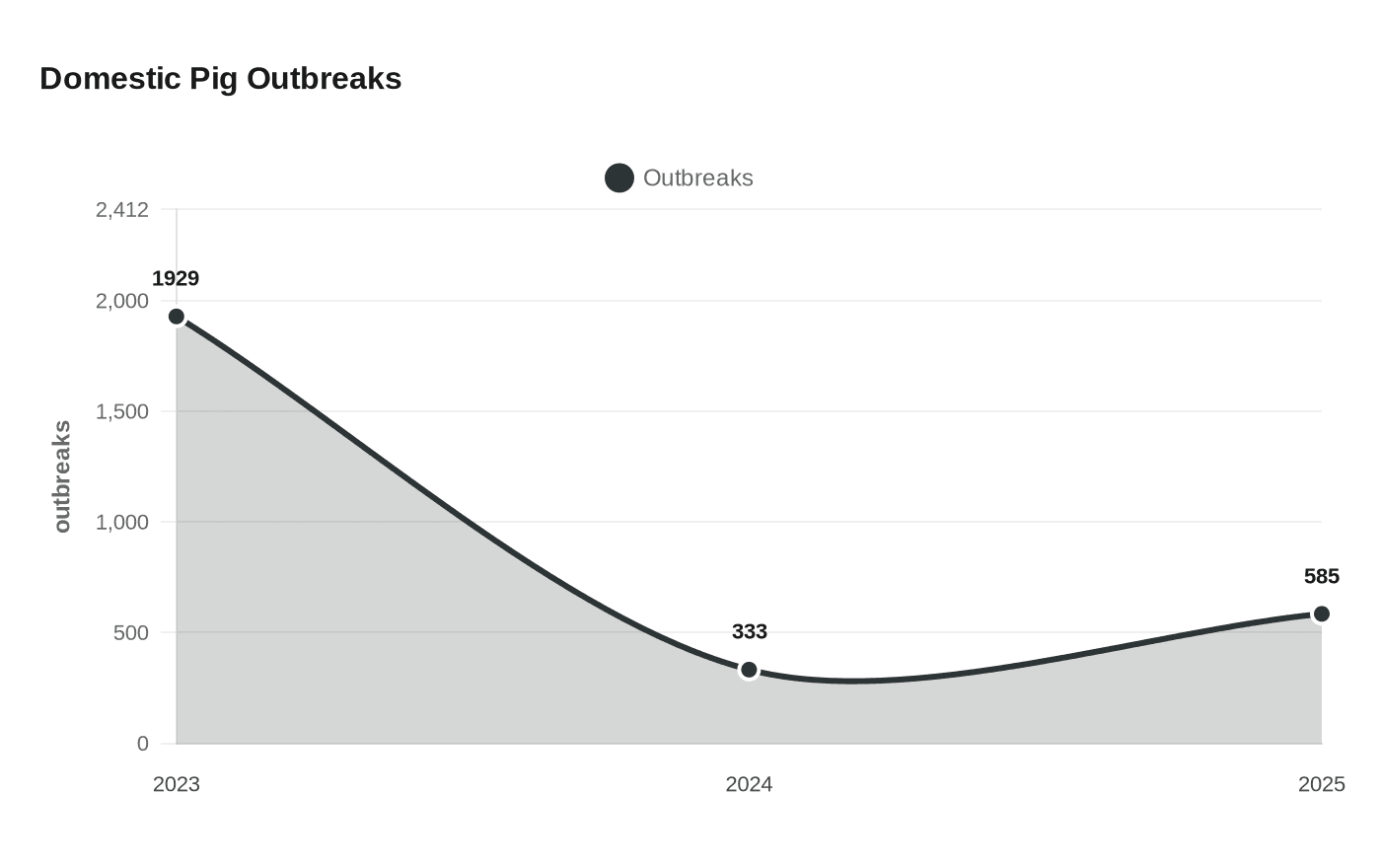
African swine fever surged back across the European Union in 2025, with 585 outbreaks in domestic pigs and 11,036 in wild boar, a sharp reversal after a steep decline the year before. EFSA said the virus remains harmless to humans but can devastate pig herds, trigger culling and movement bans, and disrupt the livestock trade that feeds grocery shelves and export markets.
The scale of the jump matters because the disease is not only a farm problem; it is a supply-chain problem. EFSA said domestic-pig outbreaks rose 76% from the previous year, while wild-boar cases increased 44%. In 2024, domestic-pig outbreaks had fallen to 333 from 1,929 in 2023, the lowest annual total since 2017. The 2025 rebound, spread across 14 EU member states, signaled that the bloc’s progress was fragile.
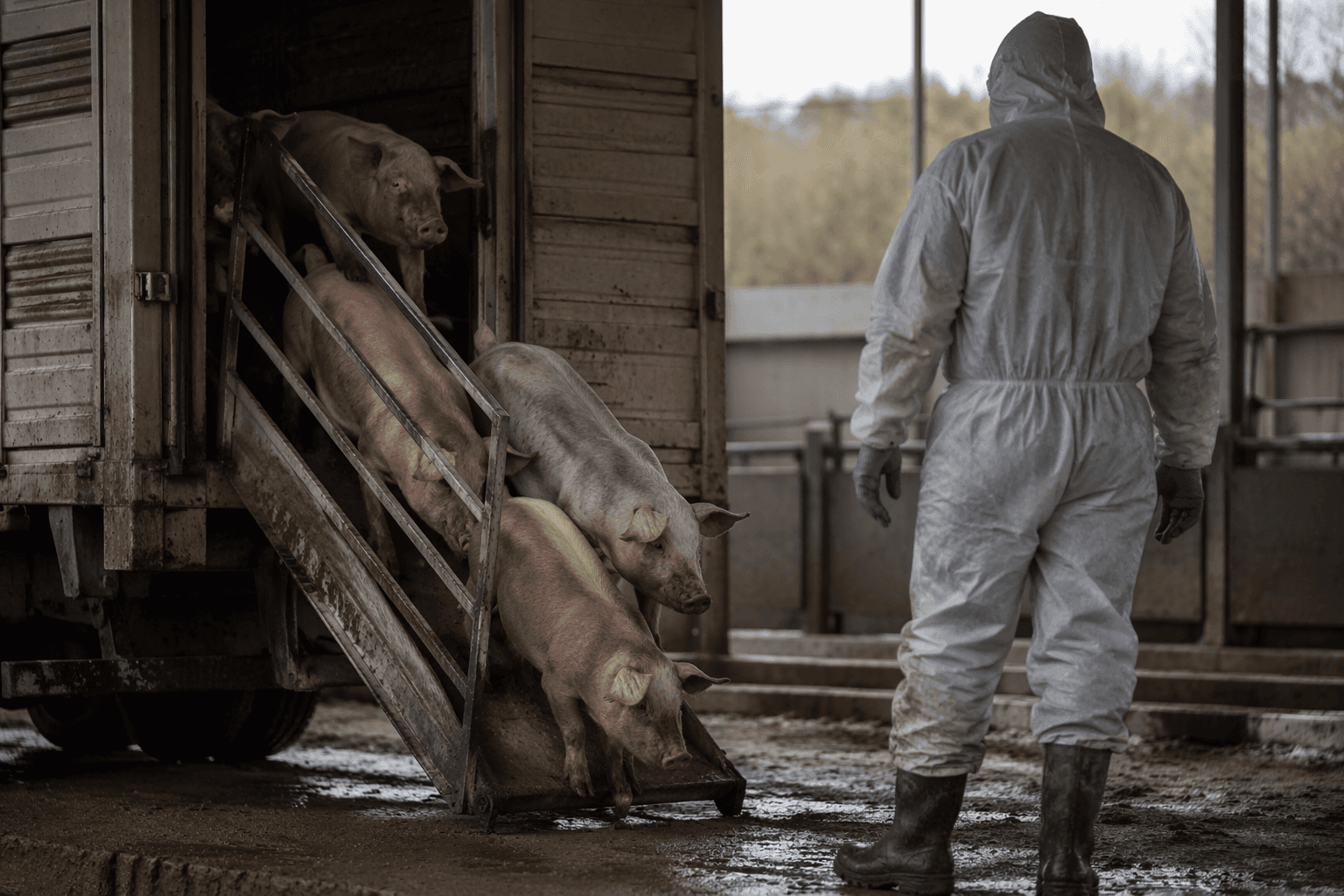
Spain was the most important new flashpoint. Authorities confirmed the first cases in two wild boars found on Nov. 25 and 26, 2025, near the Autonomous University of Barcelona in Cerdanyola del Vallès, with laboratory confirmation on Nov. 27 and 28. Spain had not seen the disease since eradication in 1994, making the return its first outbreak in 31 years. For a country that leads EU pork production, the timing raised the stakes immediately.
The economic exposure is large. The European Commission says the EU is the world’s second-biggest pork producer and the largest exporter of pork and pork products, shipping nearly 4 million tonnes annually. That means any new outbreak can ripple beyond the affected farms through transport rules, slaughterhouse logistics, export certification and the risk of buyers turning elsewhere. Even when the virus does not infect humans, the response can tighten supply and weigh on prices.
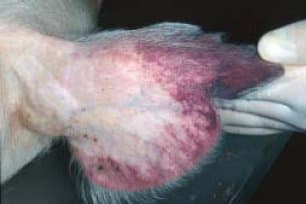
Officials are treating the outbreak pattern as a biosecurity warning, not an isolated setback. EFSA said the average size of restricted areas in the bloc stayed broadly stable, suggesting containment measures were still preventing wider spread. But the agency has also stressed that fences alone are not enough in wild boar unless paired with culling, carcass removal, road infrastructure and quick maintenance. Passive surveillance remained crucial in 2024, detecting about 80% of domestic-pig outbreaks and 70% of wild-boar outbreaks.
The policy response is evolving as fast as the virus. The European Commission’s ASF zoning and control regime is built on Implementing Regulation (EU) 2023/594, and the rules were updated again in April 2026 as the epidemiological picture changed. With Germany also seeing long-distance “jump” events and Spain back in the count, African swine fever remains a live threat to farm income, pork supplies and global meat trade.
Know something we missed? Have a correction or additional information?
Submit a Tip