Greek court jails Azerbaijani man over alleged Souda base spying
A Greek court gave a 27-year-old Azerbaijani man seven years and one month for spying on Souda, a base central to U.S. and NATO operations in the eastern Mediterranean.

A Greek court jailed a 27-year-old Azerbaijani man for seven years and one month after convicting him of espionage over surveillance of Souda, the Crete naval base that anchors U.S. and NATO operations in the eastern Mediterranean.
The case goes beyond a single prosecution. Souda Bay, near Mouzouras about 17 kilometers east of Chania, is one of the most sensitive military sites in Greece because it sits inside the Hellenic Navy’s Souda Naval Base and hosts NATO’s Maritime Interdiction Operational Training Centre. U.S. Naval Support Activity Souda Bay says the installation is strategically located for power projection in the region, which makes any effort to map it, photograph it or track movements there an alliance security issue, not just a local police matter.
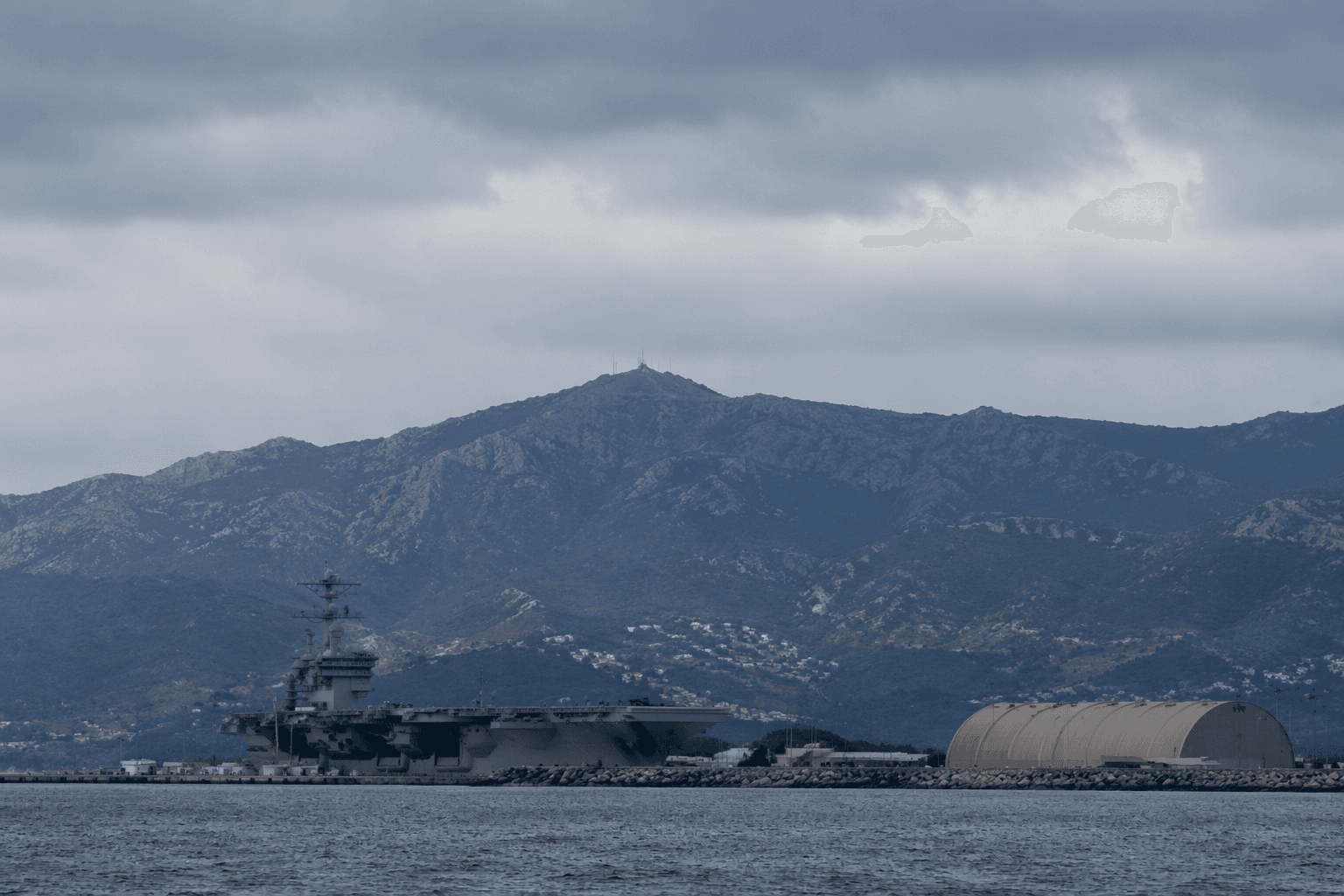
Greek police and the National Intelligence Service arrested the man in June 2025 after several days of surveillance. Investigators said he had been staying in a hotel room with a view of the naval and air force base and had arrived in Greece in January 2025 after previously holding a temporary residence permit from Poland. He was detained on June 22, 2025, after staying at the hotel since June 18.
Authorities said the evidence pointed to systematic collection of military information. Police found a high-resolution camera with a telephoto lens, a tripod, USB readers, storage cards and encryption software on his laptop. Investigators also cited 23 videos and nine photographs of a Greek Navy frigate that had come to Souda for refueling. Earlier findings linked the case to more than 5,000 photographs on seized devices.
The defendant denied wrongdoing and appealed the verdict. His lawyer argued that he was only taking pictures from a viewpoint available to anyone. The suspect also told an investigating magistrate he was merely a tourist who loved the sea and birdwatching, and that the images could not amount to espionage.
Even so, the prosecution has sharpened concern in Athens and among alliance security officials about how routine travel and lodging can be used to observe military activity around strategic infrastructure. The Souda case has also revived scrutiny of whether it stands alone or fits a wider pattern of foreign intelligence interest in Europe. Greek authorities were already examining possible links to Iran in a separate arrest in Cyprus involving an alleged plot against a British base there, a reminder that the intelligence contest around NATO facilities is widening rather than easing.
Know something we missed? Have a correction or additional information?
Submit a Tip