U.S. indicts Raúl Castro in 1996 Cuban plane shootdown case
U.S. murder charges against Raúl Castro reopen the 1996 shootdown that killed four, as he nears 95 and Miami braces for fallout.
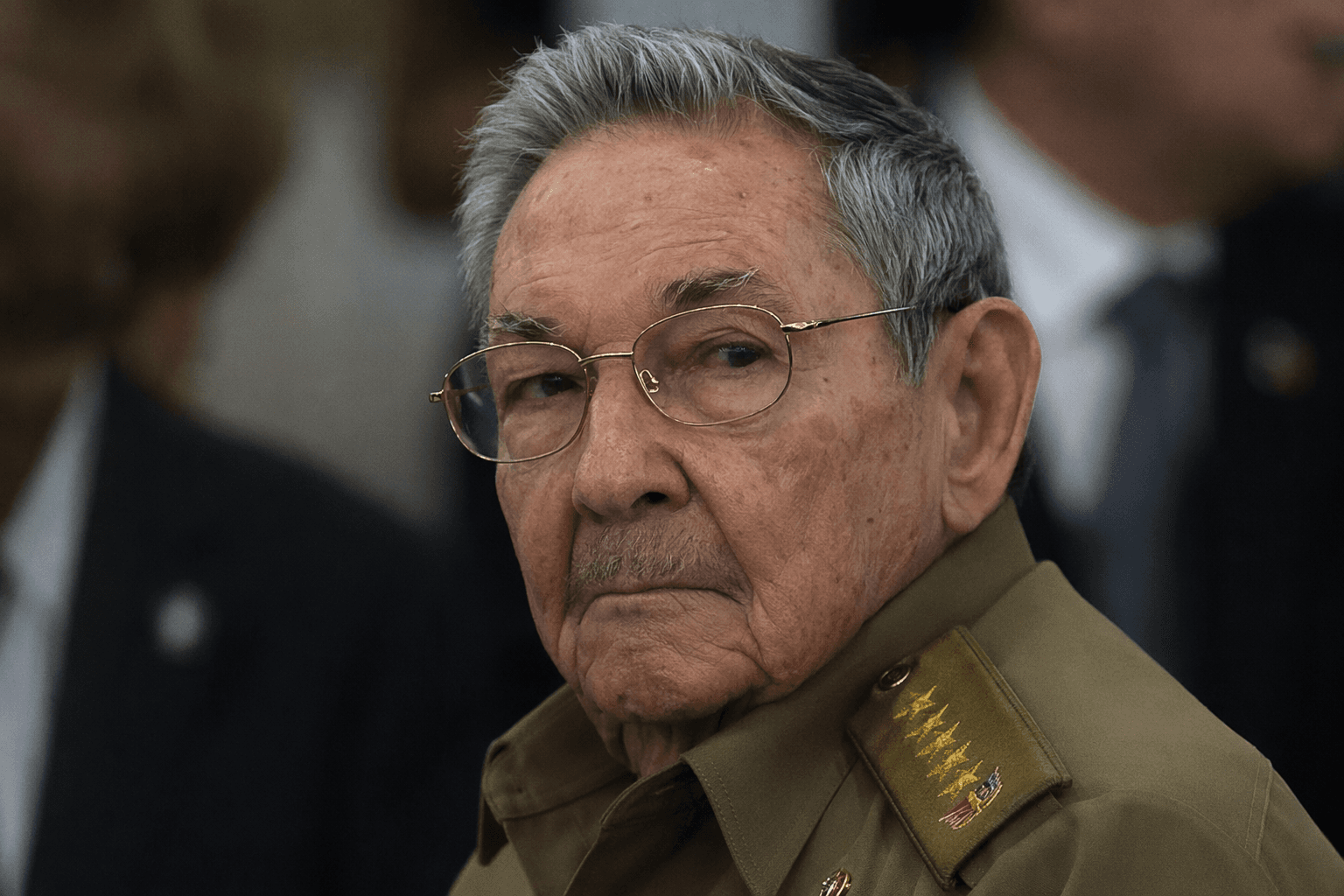
Washington’s murder charges against Raúl Castro reopen a 1996 shootdown that killed four people, including three Americans, and they arrive as the former Cuban defense minister turns 95 next month.
U.S. officials announced the indictment on May 20 in Miami, and the filing in federal court there dated April 23 named Castro and five others. The case stems from February 24, 1996, when Cuban fighter jets shot down two unarmed Cessna 337 Skymaster aircraft over the Florida Straits. The planes were operated by Brothers to the Rescue, a Miami-based exile group that had been helping Cuban rafters escape the island.
The move lands inside a pressure campaign that has already hardened sharply since 2019. The Trump administration has tightened travel and flight rules, banned U.S. cruise ship travel, limited transactions with Cuban military-linked entities and added sanctions on imports including Cuban rum and cigars. The administration has also used Cuba policy as part of a broader push against Nicolás Maduro’s government in Venezuela.
Inside Cuba, the most plausible outcome is a nationalist backlash, with Havana treating the indictment as proof of U.S. hostility and using it to justify a tighter political line at home. A second possibility is a deeper economic squeeze, but only if the indictment is followed by new State Department or Treasury action that hits military-linked companies, oil shipments, flights or other channels that affect daily life. The third, and least likely, is a prolonged standoff in which the case remains largely symbolic, with courtroom filings and political rhetoric but no operational step that changes conditions on the island.
That distinction matters for U.S. policy. The indictment is a potent legal and political signal, especially in Miami’s Cuban exile community, where the shootdown has never faded from memory. But by itself it does not alter Cuba’s sanctions regime or the balance of power in Havana. Trump said he did not think escalation was needed, while Cuban President Miguel Díaz-Canel called the case “a political maneuver” aimed at justifying military aggression. The real test is whether Washington confines the case to symbolism or uses it to justify measures that would further isolate Cuba’s economy and narrow any path back to a workable U.S.-Cuba relationship.
Know something we missed? Have a correction or additional information?
Submit a Tip

